Have you ever stepped outside onto your deck and felt that the underside—exposed joists, random lattice, or an old sagging skirt—was pulling down the whole look? If you’re tackling a weekend DIY or planning a home improvement refresh, updating your deck’s base with creative horizontal deck skirt ideas can instantly elevate curb appeal and add useful storage. As a pro DIY blogger, I’ll walk you through practical designs, materials, and step-by-step tips so you can confidently transform that neglected area beneath your deck.
Why Choose a Horizontal Deck Skirt?
Horizontal deck skirts (also called horizontal deck skirting or horizontal slat deck skirts) are a modern, clean way to conceal the underside of a deck. They offer:
- Contemporary visual appeal—horizontal lines read as sleek and expansive.
- Improved ventilation when gaps are included, preventing moisture buildup.
- Extra hidden storage access with built-in doors or removable panels.
- Flexibility of materials: wood, composite, vinyl, PVC, or even metal.
Horizontal deck skirt ideas
Below are design directions and creative takes—pick what fits your style and skill level.
1. Classic Cedar Horizontal Slats
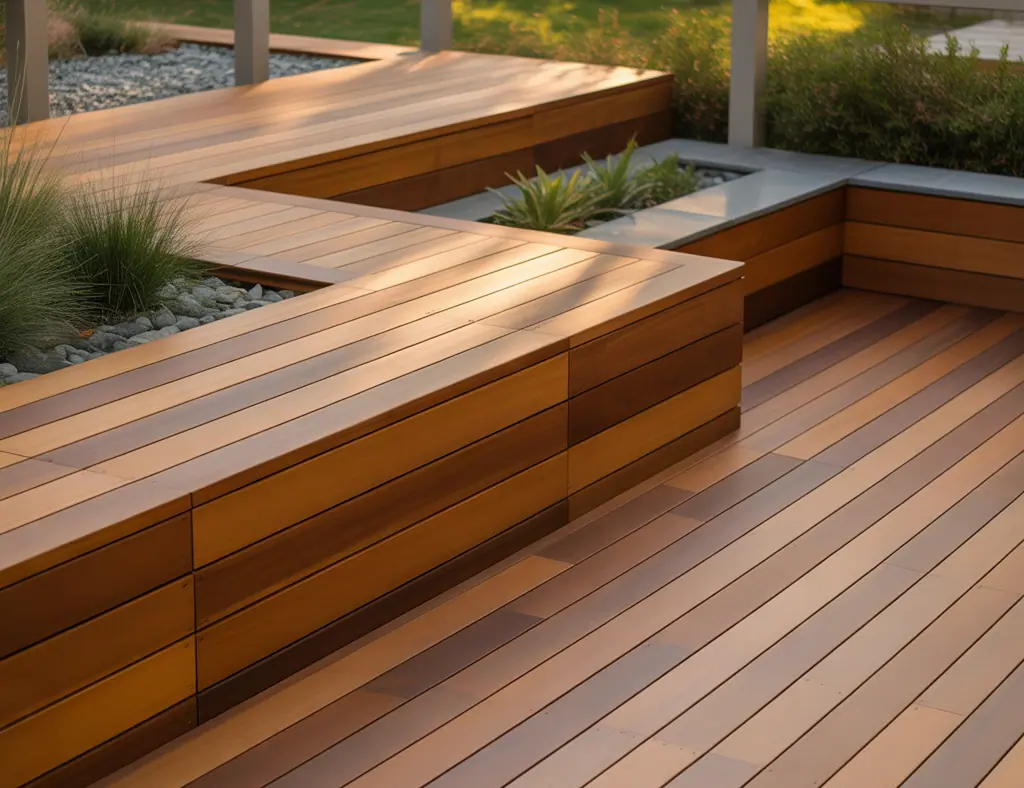
Use cedar or redwood boards for a warm, natural look. Space slats 1/4″ to 1/2″ apart for airflow. Finish with a transparent stain to highlight grain.
2. Tight-Gap Modern Slats (Minimalist)
Install composite decking boards horizontally with a 1/8″ gap for a near-seamless modern finish. Great for low-maintenance appeal and long life.
3. Painted Horizontal Boards for Pop
Paint horizontal boards to match or contrast the house siding—dark boards can ground the deck while a crisp white brightens the underside.
4. Mixed Materials: Wood + Metal Accents
Combine horizontal wood slats with powder-coated metal corner panels or a corrugated steel insert for industrial chic.
5. Removable Panels for Access
Design sections to be removable on hooks or magnetic catches. Great for accessing utilities or creating seasonal storage.
Materials & Tools: What You’ll Need
- Materials: cedar or composite boards, 1×3 or 1×4 furring strips for the frame, stainless or coated deck screws, exterior-grade wood glue (optional), paint/stain, and vents for airflow.
- Tools: circular saw or miter saw, drill/driver, level, measuring tape, speed square, clamps, and a stud finder or bit set for pilot holes.
Step-by-Step: Build a Simple Horizontal Deck Skirt
- Plan & Measure: Measure the perimeter and height under your deck. Decide if you’ll include a storage door or vents. Check local codes for clearance and sanitation rules.
- Frame the Base: Attach horizontal furring strips to the deck rim joist and ground posts at the top and bottom of the skirt area. Ensure the frame is level.
- Cut & Space Boards: Cut slats to length. Use consistent spacers (a 1/4″ spacer is common) between boards for uniform gaps and airflow.
- Attach Boards: Pre-drill and fasten boards into the furring strips using corrosion-resistant screws. Keep screws countersunk for a clean finish.
- Add Access Panels: Build a framed door using the same slats, attach with outdoor hinges, and add a latch. For removable panels, use hooks or carriage bolts.
- Seal & Finish: Apply paint or stain. If using pressure-treated wood, let it dry first. Seal the cut ends and screw holes to prolong life.
- Ventilation & Pest Prevention: Install screened vents or keep gaps to discourage pests while allowing airflow. Avoid sealing completely to prevent moisture problems.
Practical DIY Tips & Real-World Advice
- Always pre-drill near board ends to prevent splitting—this is especially important with hardwoods and composites.
- Use spacers or a scrap piece of plywood to keep gap spacing uniform while installing long runs.
- For uneven ground, build the skirt to the deck height and add a gravel bed or pressure-treated kickboard at the bottom to bridge the grade.
- Consider composite or PVC boards for low-maintenance options that resist rot and insects—worth the extra upfront cost if you want longevity.
- Label removable panels and hardware so seasonal access (like to a shutoff valve) is quick and tool-free.
- If your deck is very high, consider adding a self-closing gate for child/pet safety where stairs meet the skirted area.
Design Inspiration: Styling Your Horizontal Deck Skirt
Think beyond function. Add a row of planter boxes across the skirt, mount solar step lights for evening ambiance, or incorporate a lattice insert for climbing plants. For a seamless look, match the skirt color to deck railings or house trim. For a bold statement, contrast with dark charcoal boards against light siding.
Cost & Time Estimates
Costs vary by material. A DIY cedar horizontal skirt for a small deck (8–10 feet) typically runs $150–$400 in materials and 1–2 weekend days to install. Composite or metal can push the price to $500–$1,200 but lowers maintenance long-term.
Maintenance & Longevity
Cedar and redwood last 10+ years with proper sealing. Composite and PVC can last 20+ years with minimal care. Inspect annually for wear, loose fasteners, and signs of pests. Reapply stain every 2–3 years on wood; clean composite with a mild detergent as needed.
Frequently Asked Questions
1. How do I attach a horizontal deck skirt to my existing deck?
Attach horizontal furring strips to the deck rim joist and posts to create a secure frame. Fasten the horizontal slats to those furring strips with corrosion-resistant screws. Ensure the top attachment is level and that you leave small gaps or vents for airflow.
2. What materials are best for a long-lasting horizontal deck skirt?
Composite and PVC are the most low-maintenance choices; cedar and redwood offer great natural beauty with moderate upkeep. Avoid untreated softwoods unless you plan to seal them thoroughly.
3. Do I need ventilation under my deck?
Yes—adequate ventilation prevents trapped moisture, which can lead to rot and mold. Design your horizontal deck skirt with gaps, screened vents, or removable panels to ensure airflow while keeping pests out.
Conclusion
Horizontal deck skirt ideas range from simple cedar slats to high-end composite systems—but all can dramatically improve your deck’s look and function. Whether you’re a weekend DIYer or hiring help, plan for ventilation, access, and durable materials. Ready to start? Check out more project inspiration and detailed guides on our DIY projects page, and if you’re reimagining the rest of your exterior, explore home design ideas. Want to refresh your outdoor entertaining area next? See related tips under kitchen upgrades for indoor-outdoor flow ideas.
Pick a style, gather tools, and give your deck the polished underside it deserves—then show it off to neighbors and friends. If you’d like, tell me the size and material you’re thinking of and I’ll suggest a step-by-step plan tailored to your space.
For more hidden design ideas that can elevate your outdoor space, check out Door Ideas Hidden.
For more hidden door ideas that might inspire your deck skirt design, check out Door Ideas Hidden.
If you’re planning a home improvement refresh, you might also be interested in these Attic Master Bedroom Ideas, which could provide additional inspiration for your project.