Ever stand in your backyard on a hot Saturday, mower leaned against the shed, wondering if there’s a better way to spend your weekend than trimming grass? If you’re tired of watering, weeding, and mowing, you’re not alone. From drought-prone regions to busy homeowners who want a usable outdoor space without constant upkeep, grass alternatives ideas are booming — and many are simple enough for a weekend DIY project.
Why consider replacing turf?
Traditional lawns look neat, but they come with hidden costs: water bills, fertilizer, time, and equipment maintenance. Alternatives to grass can save money, support local ecology, and create versatile spaces for entertaining, play, or relaxation. Whether your priority is a child-friendly yard, a pollinator haven, or a modern low-maintenance patio, there’s an option that fits your lifestyle and climate.
Top grass alternatives ideas to transform your yard
Clover and mixed groundcover lawns
Clover lawns (white or microclover) and mixed groundcovers are soft underfoot, drought-tolerant, and need less fertilizer. They flower, attract pollinators, and stay green longer with minimal watering.
- Pros: Low fertilization, good for pollinators, soft and resilient.
- Cons: Can get patchy in high-traffic areas; mowing height and frequency differ from grass.
Native meadow and wildflower mixes
Convert part of your yard into a native meadow to support bees and birds. Wildflower meadows reduce mowing to once or twice a year and create seasonal color.
Artificial turf and synthetic grass alternatives
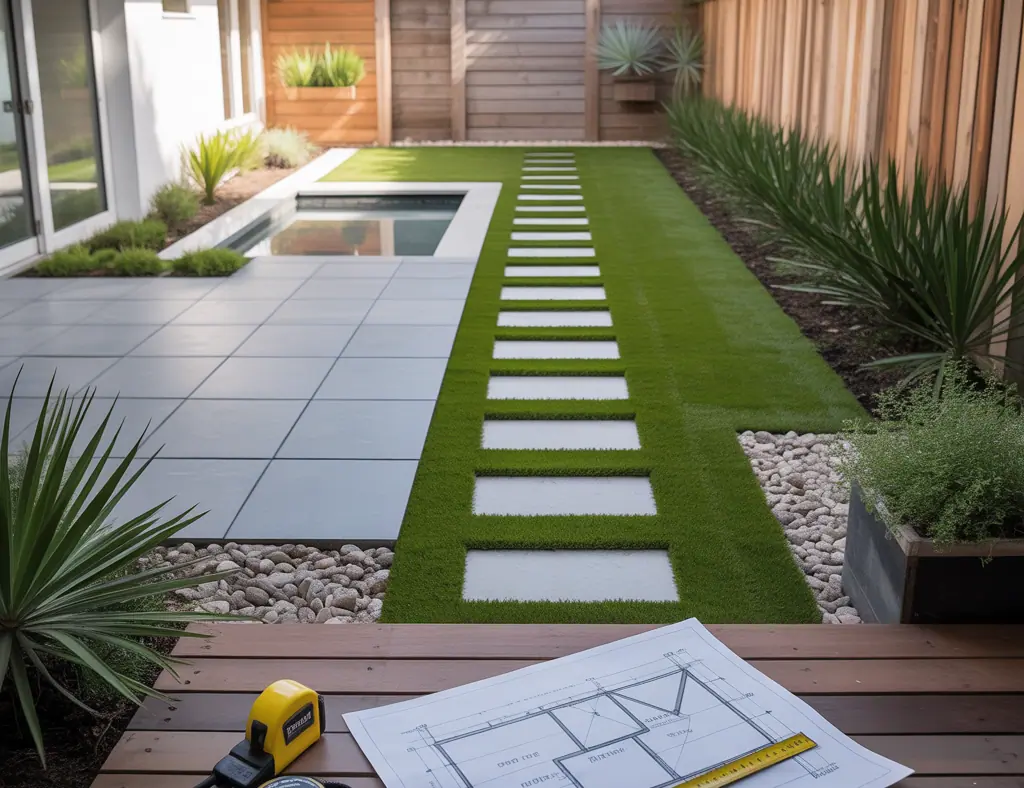
Modern artificial turf looks realistic and is ideal for high-traffic play areas or pet owners. It eliminates mowing and watering, though it requires occasional rinsing and infill maintenance.
Xeriscaping with rock gardens and succulents
For arid climates, xeriscaping uses drought-tolerant plants, gravel, and mulch to create stylish, waterwise landscapes. Combine succulents, ornamental grasses, and hardscape elements for texture and structure.
Pavers, patios, and permeable hardscaping
Turn lawn into usable space with pavers, gravel patios, or stepping-stone pathways. Permeable pavers allow water to soak in, reducing runoff while creating entertaining zones.
Moss and shaded groundcovers
Shade problems? Moss or shade-loving groundcovers like ajuga and vinca minor thrive where grass struggles. They create a lush carpet without fertilizer or heavy watering.
Ornamental mulch and bark playground areas
Mulch beds provide clean, low-maintenance surfaces for play zones and garden paths. Use engineered wood fiber or rubber mulch for a safer children’s play area.
DIY step-by-step: three practical conversions
1. Convert lawn to a clover lawn (weekend project)
- Test soil pH and lightly aerate the lawn.
- Mow low and remove clippings; water the area thoroughly for a few days to weaken existing grass if overseeding.
- Spread clover seed at the recommended rate and rake lightly to ensure seed contact with soil.
- Keep soil moist until seedlings establish (7–21 days); then reduce watering.
- Only mow when blooms are finished if you prefer pollinators; otherwise maintain a 2–3″ height.
2. Install a gravel patio with pavers (two-day DIY)
- Mark the area and excavate 4–6 inches deep.
- Lay landscaping fabric to prevent weed growth.
- Add and compact crushed stone base (3–4 inches), then a leveling layer of fine gravel or sand.
- Place pavers or stepping stones, tapping into position with a rubber mallet.
- Fill joints with polymeric sand or fine gravel and compact; edge the area with metal or timber to retain materials.
3. Create a small native plant meadow (seasonal plan)
- Select a sunny patch and remove existing turf (solarize, sod cutter, or sheet mulch method).
- Grade the soil lightly and mix in compost for plant health.
- Sow a native wildflower and grass seed mix appropriate for your region in fall or spring.
- Water lightly until established, then cut back in late winter or early spring to encourage healthy regrowth.
Design tips and real-world advice
- Start small: Convert one section at a time to test what works in your microclimate.
- Think in zones: Define play areas, entertaining spaces, and pollinator beds separately for better function.
- Choose plants for your USDA zone and soil type to reduce long-term maintenance.
- Combine hardscaping with planting for year-round interest—use pavers plus groundcover between stones.
- Consider irrigation: drip systems for beds and targeted watering for new plants conserve water compared with sprinkler systems.
Cost, maintenance, and environmental impact
Costs vary: mulch and groundcovers are inexpensive, artificial turf has higher upfront costs but low ongoing maintenance, and native meadows have low annual costs but higher establishment effort. Environmentally, native plants and clover support biodiversity and reduce fertilizer runoff; hardscapes increase impermeable surface unless you use permeable materials.
Design inspiration: styles that replace lawns
Look to these design directions for inspiration:
- Modern minimal: clean gravel beds, geometric pavers, and sculptural planters.
- English-inspired: mixed groundcovers with stepping stones, cottage perennials, and a small seating nook.
- Native prairie: tall grasses and seasonal wildflowers with a mown path for access.
- Kid-friendly: artificial turf or rubber mulch under play equipment with surrounding shade trees.
Frequently Asked Questions
1. Are grass alternatives low-maintenance?
Yes — many options (clover lawns, native meadows, xeriscaping, artificial turf) significantly reduce mowing, watering, and chemical inputs. Maintenance needs vary by choice: meadows need yearly cutting, turf needs occasional cleaning, and pavers may require weed control between joints.
2. Will replacing grass increase my home’s value?
Smart landscaping that improves curb appeal and usability often boosts perceived home value. Energy- and water-efficient landscapes, along with well-designed outdoor living areas, are attractive to buyers. Focus on quality materials, good design, and low-maintenance plantings for the best return.
3. Can I mix alternatives (e.g., turf and pavers)?
Absolutely. Mixing materials creates zones and reduces the overall amount of maintenance. For example, pair a small artificial turf play lawn with a gravel patio and native planting beds to balance function, aesthetics, and upkeep.
Conclusion — Ready to try one of these grass alternatives ideas?
Replacing grass doesn’t mean sacrificing beauty or function — it’s an opportunity to design a yard that fits your life, saves time, and supports the environment. Start with a small conversion: try a clover patch, a gravel patio, or a native planting bed this season. If you liked these ideas and want step-by-step project guides, check out our DIY projects page or browse more inspiration under home design ideas and kitchen upgrades to see how outdoor choices can complement your indoor remodels. Ready to get your hands dirty? Pick one idea, schedule a weekend, and transform a piece of your yard into something you’ll enjoy year-round.