Staring at a postage-stamp backyard and dreaming of a cozy outdoor escape? Maybe you’ve wanted a sheltered spot for morning coffee or a covered play area for kids, but you think a full-size pavilion won’t fit. You’re not alone — many homeowners face the same challenge of fitting function, style, and comfort into a compact yard. With the right small backyard gazebo ideas, even the tiniest outdoor area can become a clever, beautiful retreat.
Why a small gazebo is the best upgrade for compact yards
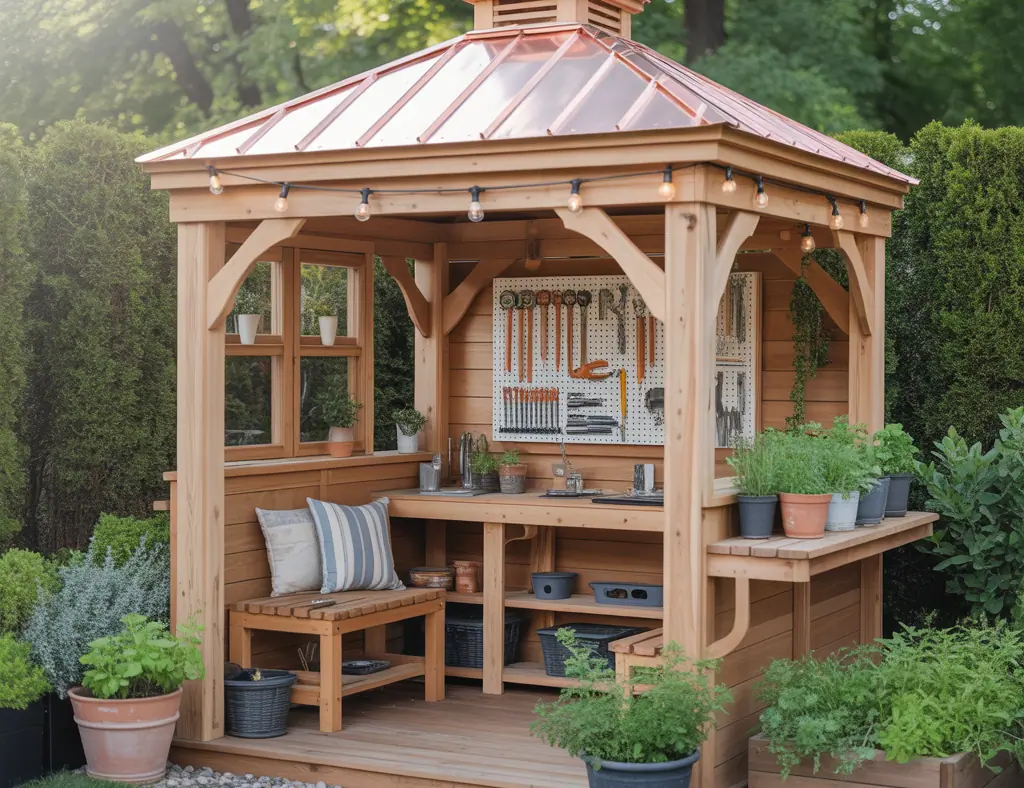
A compact gazebo or garden pavilion creates an instant focal point, adds sheltered living space, and increases property appeal without sacrificing yard room. Unlike large pergolas or full decks, a space-saving gazebo can be freestanding, corner-mounted, or mounted on a small platform, giving you flexibility in layout. It also offers shade, privacy, and a place to entertain or relax year-round with minimal upkeep.
Top gazebo ideas small backyard — placement, style, and size
Choosing the right design depends on how you plan to use the space. Below are practical layout and style approaches that work especially well in small yards.
1. Corner gazebo — make use of unused space
Corner gazebos tuck neatly into otherwise wasted space. Opt for a triangular or hexagonal footprint (6–8 ft per side) to maximize seating and flow. A built-in bench along the inside perimeter saves room and avoids bulky furniture.
2. Compact freestanding gazebo with transparent sides
Choose polycarbonate panels or roll-up vinyl curtains instead of solid walls to preserve sightlines and keep the yard feeling open. A 8×8 ft or 10×10 ft gazebo often provides enough room for a bistro set or a small sofa and coffee table.
3. Raised platform or deck-mounted gazebo
Raising the gazebo on a small deck elevates the space visually and creates better drainage. A 4–6 inch platform is enough for a low-profile structure; make the deck out of composite or pressure-treated wood to reduce maintenance.
4. Half-gazebo or lean-to style for against-the-house placement
A lean-to gazebo attached to a fence or the house uses fewer supports and opens the yard. This is a great option if you need a quick shade solution without central posts.
Design inspiration: materials, roof types, and finishes
- Roof options: Solid shingle roof for year-round use, polycarbonate for filtered light, or fabric canopy for a soft, removable solution.
- Frame materials: Pressure-treated wood for classic looks, cedar for rot resistance and scent, or powder-coated aluminum for a modern, low-maintenance finish.
- Flooring: Compact pavers, gravel with stepping stones, or a small composite deck platform create distinct zones without overwhelming the yard.
- Finishes: Paint the gazebo a light color to make the area feel larger, or stain the frame to blend with garden tones. Add string lights and potted plants for ambiance.
Practical DIY tips for building a small backyard gazebo
Building a gazebo in a small yard is very doable with some planning. These actionable tips help keep costs and effort low while ensuring durability.
- Measure and sketch: Mark the footprint with stakes and string. Walk around it at different times of day to check sun and sightlines.
- Check local codes: Small structures sometimes need permits or neighbor setbacks. A quick check with your municipality avoids surprises.
- Choose a foundation: For lightweight gazebos use concrete deck blocks, paver footings, or compacted gravel pads. Use concrete piers for permanent builds.
- Pre-cut kits vs. custom build: Kits save time and include hardware; custom builds offer flexibility to fit awkward spaces. Consider a hybrid approach—kit roof with custom base.
- Keep scale in mind: In a 200–400 sq ft yard, a 6×6 to 10×10 gazebo is usually proportionate. Avoid oversized trim or heavy posts that make the structure feel bulky.
Step-by-step: simple DIY small gazebo plan (weekend-friendly)
- Plan (2–4 hours): Choose size (8×8 recommended), location, and materials. Mark with spray paint.
- Foundation (1 day): Level site, install concrete deck blocks or poured footings, compact gravel if using pavers.
- Frame (1–2 days): Assemble posts and beams. Use metal post anchors to prevent rot. Ensure square and plumb.
- Roof (1–2 days): Install rafters and roof sheathing or canopy. Apply shingles or attach polycarbonate panels.
- Finishing (1 day): Paint/stain, install floor decking or pavers, add railings/benches, and wire low-voltage lighting.
- Decorate: Add cushions, weatherproof textiles, hanging plants, and compact storage solutions.
Small-space hacks: multifunctional features and storage
Maximize every inch with built-in and multi-use elements:
- Fold-down benches that double as storage for cushions and gardening tools.
- Corner shelving for plants or lanterns to keep the floor area open.
- Integrated planter boxes as railings to add greenery and privacy.
- Convertible furniture—store-away tables or nesting stools for parties.
Styling tips to make a small gazebo feel larger and cozier
Use light colors and vertical accents (hanging plants, tall planters) to draw the eye upward. Mirrors or reflective decor pieces amplify light. Choose slim-profile furniture and round tables to improve circulation. Add string lights, a small outdoor rug, and layered textiles for a warm, inviting feel.
Maintenance and seasonal care
Regularly inspect posts and roof fasteners, clear gutters or debris from polycarbonate panels, and reseal wood every 2–3 years. In windy climates, secure curtains and remove fabric covers during heavy storms. Proper maintenance extends life and keeps the gazebo safe for family use.
Frequently Asked Questions
How big should a gazebo be for a small backyard?
For most small yards, 6×6 to 10×10 feet is a good range. An 8×8 gazebo comfortably fits seating for 4 and leaves room for circulation. Always measure and mock up the footprint before building.
Do I need a permit to build a small gazebo?
Permit requirements vary by city and county. Many places exempt very small or temporary structures, but anything with a permanent foundation or roof may need approval. Check local codes to confirm setbacks, height limits, and permit thresholds.
What are low-cost options for a small gazebo?
Consider prefab kits, a pergola with a retractable canopy, or a simple fabric canopy supported by a lightweight frame. Using paver footings instead of poured concrete and choosing composite or pressure-treated lumber can also cut costs.
Conclusion — Start your gazebo project today
A thoughtful gazebo can transform even the smallest yard into a functional, stylish outdoor room. With these gazebo ideas small backyard owners can plan a compact, beautiful structure that fits their lifestyle and budget. Ready to get started? Sketch your layout, check local rules, and choose either a DIY kit or a custom build. If you’re looking for step-by-step projects, check out our DIY projects page for more guides. For overall home updates that complement outdoor upgrades, explore our home design ideas and even kitchen upgrades for indoor-outdoor flow inspiration.
Have questions about dimensions, materials, or kit recommendations? Leave a comment below or use the contact form to share your yard photos — let’s design your perfect small backyard gazebo together!