Have you ever stepped out to your vegetable patch only to find chewed lettuce, flattened seedlings, or mysterious hoof prints in the soil? If your garden is under siege from rabbits, deer, raccoons, or neighborhood dogs, a smart fence that doubles as an animal barrier can be the easiest, most effective solution. In this article I’ll walk you through practical garden fence ideas animal barrier options, DIY installation tips, and design inspiration so you can protect your plants without turning your yard into a fortress.
Why a garden fence as an animal barrier matters
Beyond the obvious benefit of keeping hungry critters away, an animal-proof fence helps you plan a healthier garden layout, reduces the need for chemical repellents, and preserves the look of your property. Whether you want a discreet wildlife-proof barrier for a suburban plot or a decorative feature that doubles as a deer deterrent, there are solutions for every budget and skill level.
Types of garden fence ideas for animal barrier protection
1. Welded wire and hardware cloth — small animal defender
Welded wire (1″ or 2″ mesh) and 1/4″ hardware cloth are great for keeping rabbits, gophers, and voles out. Use these to line the base of a decorative fence or build a full-height mesh fence. Benefits include affordability, durability, and easy installation.
2. Deer-proof fencing — tall and visible
Deer are best deterred by height. A 7–8 foot fence (or a 6-foot fence with an angled top) is recommended. Options include high-tensile wire, wooden privacy fences, or clear vinyl panels that block jump paths. For a less permanent solution, consider a combination of posts and high-tension wire or woven mesh.
3. Electric or solar-powered perimeter — for large or persistent wildlife
Low-voltage electric fencing (often used in rural or farm settings) discourages large animals like deer and coyotes. Solar chargers make installation easier, but electric fencing requires safety precautions and local code checks. Use this only when you’re comfortable with basic electrical safety and local regulations allow it.
4. Living fences and hedgerows — natural and attractive barriers
Hedging with thorny or dense shrubs (like hawthorn, holly, or pyracantha) creates a wildlife barrier that looks natural and adds biodiversity. Living fences take longer to establish but can be combined with wired mesh initially for immediate protection.
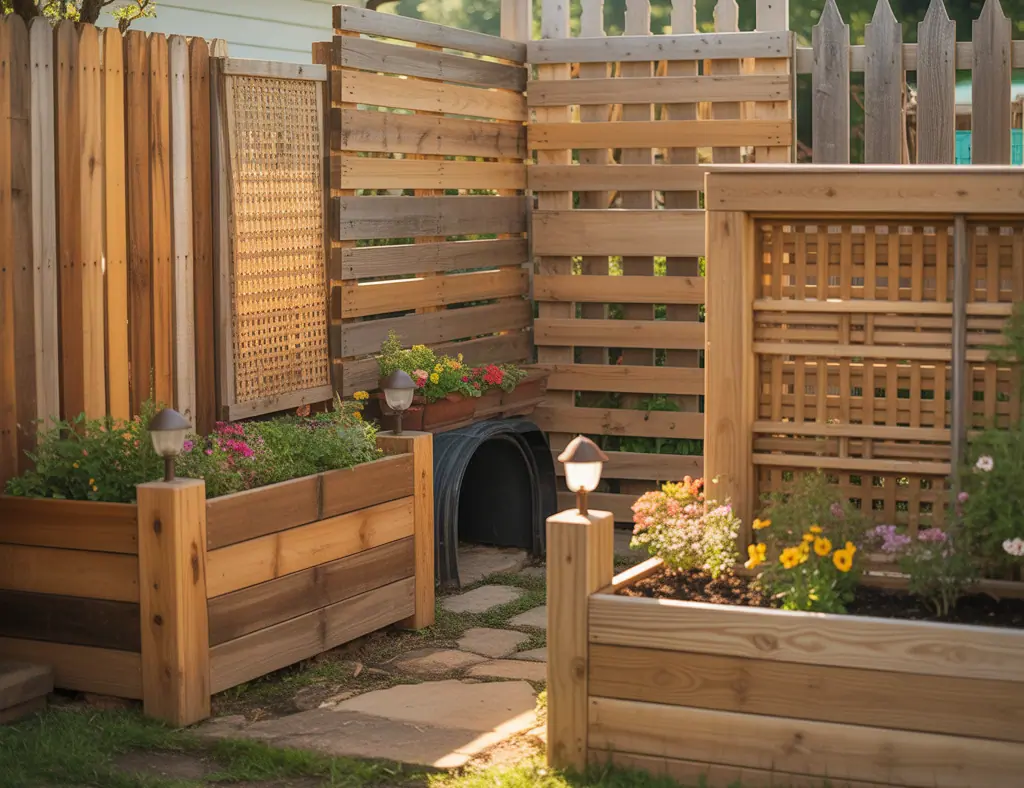
5. Raised beds with buried mesh — underground animal barrier
If burrowing animals are your problem, raise your beds and line the bottom with hardware cloth. Bury the mesh at least 6–12 inches into the ground and bend it outward to prevent digging under the barrier.
Step-by-step DIY garden fence installation (simple, budget-friendly)
Here’s a practical plan for building a welded wire fence that doubles as an animal barrier. This approach is ideal for medium-sized gardens and common pests like rabbits and dogs.
- Plan and measure: Walk your perimeter and mark corners. Measure total linear feet to calculate materials.
- Gather materials: Fence posts (wood or metal), welded wire or hardware cloth, fence staples or zip ties, post hole mix or concrete, gravel, gate hardware, and a shovel or post-hole digger.
- Set posts: Space posts every 6–8 feet. Dig holes 18–24 inches deep, add gravel for drainage, set posts with concrete for stability.
- Attach mesh: Unroll welded wire along the outside of posts (so animals hit the mesh first). Anchor at one end, pull taut, and staple or zip-tie to each post.
- Bury the apron: Extend the bottom 6–12 inches outward and bury it or secure it with landscape staples to stop digging animals.
- Install the gate: Use a latching mechanism that swings tightly and consider a self-closing hinge for convenience.
- Finish and test: Walk the barrier, check for gaps, and reinforce weak spots. Trim vegetation away from the fence to avoid wear.
Design inspiration — make an animal barrier that looks good
Fencing doesn’t have to be purely functional. Here are ideas to keep your garden attractive while protecting plants:
- Pair a low wooden picket fence with welded wire along the bottom for a cottage-style look that stops rabbits.
- Create a mixed-material fence: stone or brick posts with metal mesh panels for a modern farmhouse feel.
- Install a living fence in front of a mesh barrier to hide the utilitarian wire and provide visual appeal.
- Paint or stain wooden posts to match garden beds or your home exterior for cohesive design.
Practical tips & troubleshooting
- Mesh size matters: Use smaller mesh (1/4″) to stop rodents; 1″–2″ is fine for rabbits and larger pests.
- Height and visibility: A taller fence may look imposing — add visual markers (flagging or decorative rails) so birds or people notice it.
- Gates and pets: Ensure gates have secure latches if you have dogs or neighborhood animals.
- Maintenance: Inspect the fence seasonally, repair sagging sections, and replace rusty fasteners.
- Local rules: Check neighborhood covenants and local ordinances for height limits or material restrictions.
Garden fence ideas animal barrier: best materials compared
Choosing the right material depends on the pest and your aesthetic goals:
- Chicken wire: Cheap and lightweight but not the strongest option—best for temporary projects or small pests.
- Welded wire: Durable, rust-resistant options available; ideal balance for gardens.
- Hardware cloth: Heavy-duty and small mesh size — excellent for burrowing animals and rodents.
- Wood and vinyl: Offer privacy and style but usually need an internal mesh to be critter-proof.
Real-world advice from backyard gardeners
Many gardeners I speak with combine approaches: a living hedge for beauty, welded wire at the base, and an occasional motion-activated light for night-time critters. Start small — protect your highest-value beds first — and expand as you learn which animals are your biggest problem. If deer are occasional visitors, temporary netting can help through growing seasons without committing to tall fences.
Frequently Asked Questions
Q1: How tall should my fence be to stop deer?
A: For effective deer control, aim for 7–8 feet. If local rules limit height, install a 6-foot fence with a slanted top or add angled outriggers to prevent jumping.
Q2: Can I make a budget-friendly rabbit-proof fence?
A: Yes. Use welded wire attached to wooden stakes and bury the bottom 6–8 inches (or bend it outward). This simple setup is inexpensive and works well for small yards.
Q3: Should I electrify my fence to keep out predators?
A: Electric fences can be effective for large or persistent animals but require careful installation, maintenance, and adherence to local regulations. Consider low-voltage solar options if you’re experienced with electrical setups; otherwise pair physical barriers with sensors and lighting.
Conclusion — protect your plants with smart garden fence ideas animal barrier solutions
Garden fence ideas animal barrier designs range from simple buried mesh to tall deer fences and elegant living hedges. Start by identifying the animals causing trouble, choose the right material and height, and use thoughtful installation techniques like buried aprons and sturdy posts. With a little planning and a weekend of work, you can build a durable, attractive barrier that keeps pests out and your garden thriving.
Ready to start building? Browse our DIY tips and step-by-step plans on the DIY projects page, or get more inspiration from our home design ideas gallery. If your next project is inside, check out ideas for kitchen upgrades too. Share your fence build or ask a question in the comments — I’d love to help you protect your garden.