Imagine this: you’ve got a busy household, guests arriving, and no extra bathroom to spare. You look at that underused garage and think—could I convert this space into a comfortable bathroom? If you’ve ever wondered how to make a garage conversion work without blowing the budget, you’re in the right place. These garage bathroom remodel ideas will guide you from concept to completion with practical DIY tips, design inspiration, and real-world advice.
Garage Bathroom Remodel Ideas — Where to Start
Before swinging a hammer, start with a clear assessment. Ask yourself: how much space do I have, what kind of bathroom do I need (powder room, 3/4 bath, full bath), and what’s my budget? Key initial steps include:
- Measure the garage and note existing doors, windows, and slab condition.
- Check local building codes and whether a permit is required for a garage-to-bathroom conversion.
- Decide on plumbing access—can you tie into existing waste and water lines or will you need new runs?
- Consider insulation, ventilation, and heating needs (garage walls often lack proper insulation).
These early choices shape layout options, costs, and how much you can DIY versus what needs a pro.
Design Inspiration: Styles and Layouts
Design direction helps keep finishes and fixtures cohesive. Here are ideas that work well in garage conversions:
Small-space solutions
- Corner showers or wet-room layouts to maximize floor space.
- Wall-hung toilets and floating vanities for a roomier feel.
- Vertical storage—open shelving above the toilet or built-in niches.
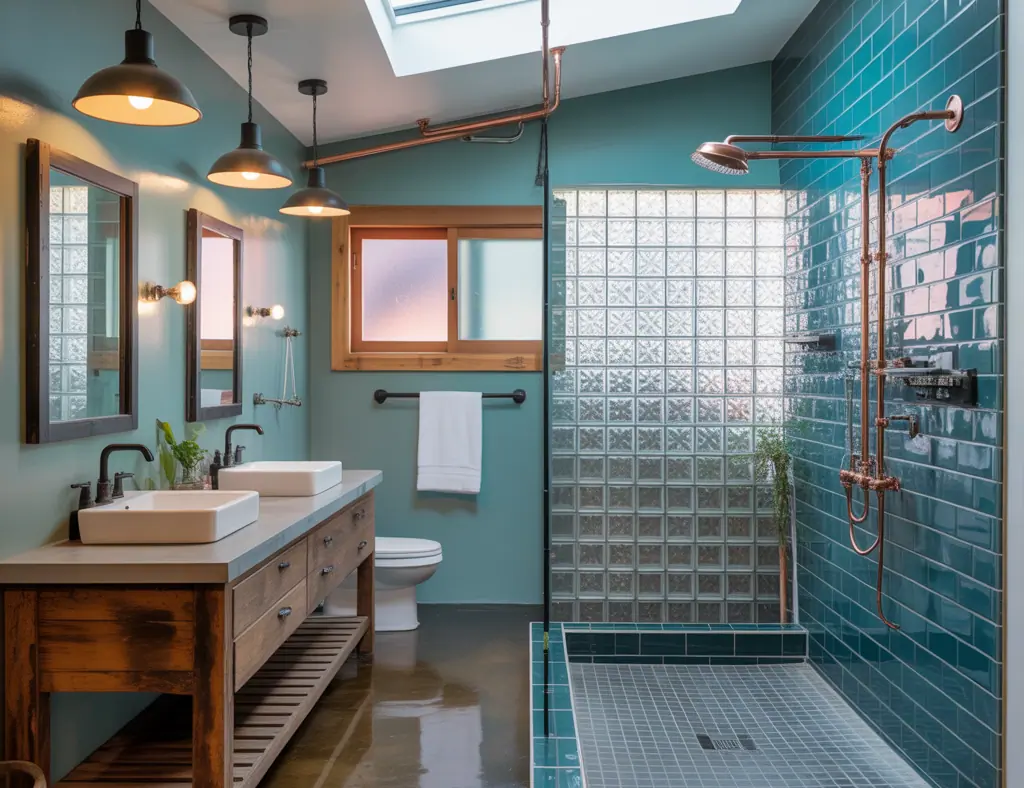
Modern farmhouse and industrial chic
- Warm wood tones, subway tile, and matte black fixtures for farmhouse charm.
- Exposed brick or concrete-look tiles and metal accents for an industrial vibe—perfect if the garage already has raw surfaces.
Accessible and universal design
- Curbless showers, grab bars, and wider door openings if you’re planning for aging in place.
- Non-slip tile and lever handles for safer everyday use.
Step-by-step DIY Tips for a Garage-to-Bathroom Conversion
Breaking the project into phases keeps work organized and manageable. Here’s a step-by-step approach most DIYers can follow, with notes on when to call a pro.
- Plan and permit: Finalize layout, submit plans if required, and obtain permits. This avoids costly rework.
- Remove and prep: Take out the garage door or seal it, demo interior surfaces that aren’t needed, and level slab if necessary.
- Framing and insulation: Frame new walls and add proper insulation (R-values per local code). Don’t skimp on moisture barrier for walls adjoining the slab.
- Plumbing rough-in: Run supply and drain lines. For complex runs or if tapping a main sewer line, hire a licensed plumber.
- Electrical and ventilation: Install adequate lighting, outlets (GFCI where required), and a ventilation fan sized for the space. Electrical work often requires a certified electrician.
- Subfloor and waterproofing: If the garage slab isn’t suitable, install a raised subfloor system or waterproof membrane for tile installations.
- Install fixtures and finishes: Place shower, tub, toilet, vanity, and tile. Use cement board in wet areas and seal all penetrations.
- Final inspections and trim: Schedule inspections, finish trim, paint, and install accessories.
DIY tip: Tackle visible finish work (tile, paint, cabinetry) yourself to save money, but hire pros for structural, plumbing, and high-voltage electrical work unless you’re certified.
Budget-friendly Remodel Ideas and Saving Tips
- Keep plumbing close to existing lines—moving drains is expensive.
- Choose a prefabricated shower pan instead of custom tile bases to cut labor and waterproofing costs.
- Refinish or repaint existing cabinetry instead of replacing it.
- Buy fixtures during seasonal sales and consider high-quality knockoffs for faucets and lights.
- Consider a combined laundry/bathroom layout if space and plumbing access permit—shared drainage saves on labor.
Typical budget ranges vary widely: a basic powder room conversion could start around $4,000–$8,000 if you DIY finishes, while a full bathroom conversion with professional plumbing and electrical often lands between $12,000–$30,000 depending on materials and local labor rates.
Practical Real-World Advice
From my experience working on home remodels and advising DIYers, here are some things people commonly overlook:
- Moisture control: Garages are colder and damper than conditioned living spaces. Proper vapor barriers, insulation, and an exhaust fan are essential to avoid mold.
- Floor level differences: Garage slabs may not be level or in good shape—plan whether to grind, level, or build a raised floor.
- Natural light: Adding a window or high transom can brighten the space without sacrificing privacy.
- Storage: When space is tight, integrate recessed medicine cabinets, niche shelving, or a shallow linen closet.
- Professional help: Even if you’re handy, consult a structural engineer when removing a garage door or changing load-bearing walls.
Want more hands-on ideas? Check out our collection of DIY projects for step-by-step guides and tool lists. If you’re thinking about broader home changes, explore related home design ideas and see how a garage bathroom could coordinate with a future kitchen upgrades.
Frequently Asked Questions
1. How much does it cost to convert a garage into a bathroom?
Costs depend on scope: a simple half-bath might cost $4,000–$10,000 (DIY-friendly), while a full bath with plumbing relocation and high-end finishes can be $12,000–$30,000 or more. Permits, labor rates, and structural changes drive the price.
2. Do I need a permit to turn a garage into a bathroom?
In most areas yes—permitting is typically required for plumbing, electrical, and changes to habitable space. Always check local codes before starting work to avoid penalties and ensure inspections are passed.
3. Can I install a bathroom on an existing garage slab?
Often yes, if the slab is in good condition. You may need to add a waterproof membrane, build a subfloor for plumbing if drains can’t be recessed, and ensure the slab sits above the local frost line for longevity. Consult a contractor if the slab is cracked or uneven.
Conclusion
Turning an underused garage into a beautiful and functional bathroom is one of the smartest home improvement moves you can make—especially when guided by practical garage bathroom remodel ideas. With careful planning, the right permits, and a mix of DIY work and professional help where required, you can create a space that adds convenience and value to your home. Ready to start planning? Grab your tape measure, sketch a layout, and try one small weekend project from our DIY projects to build momentum. If you’re unsure about plumbing or structural work, call a licensed pro and get your conversion done right.