You’re standing in your front yard with a cup of coffee, staring at an empty border and wondering how to make the space feel welcoming without blocking the view. Maybe you want curb appeal, a place to define the garden, or a subtle barrier for kids and pets. A low fence can solve all those problems — and with a little planning and some DIY elbow grease, you can have a stylish, functional edge in a weekend.
Why choose a low fence for your front yard?
Low fences (typically 24–36 inches high) are ideal when you want to define boundaries without sacrificing the openness of your front yard. They offer curb appeal, boost property character, and provide gentle containment for pets and children. They’re also a great canvas for seasonal decor, climbing plants, and practical features like mailpost integration or a pathway edge.
Design inspiration: 9 front yard ideas low fence styles
Here are popular, easy-to-execute design concepts that suit different architectural styles and budgets.
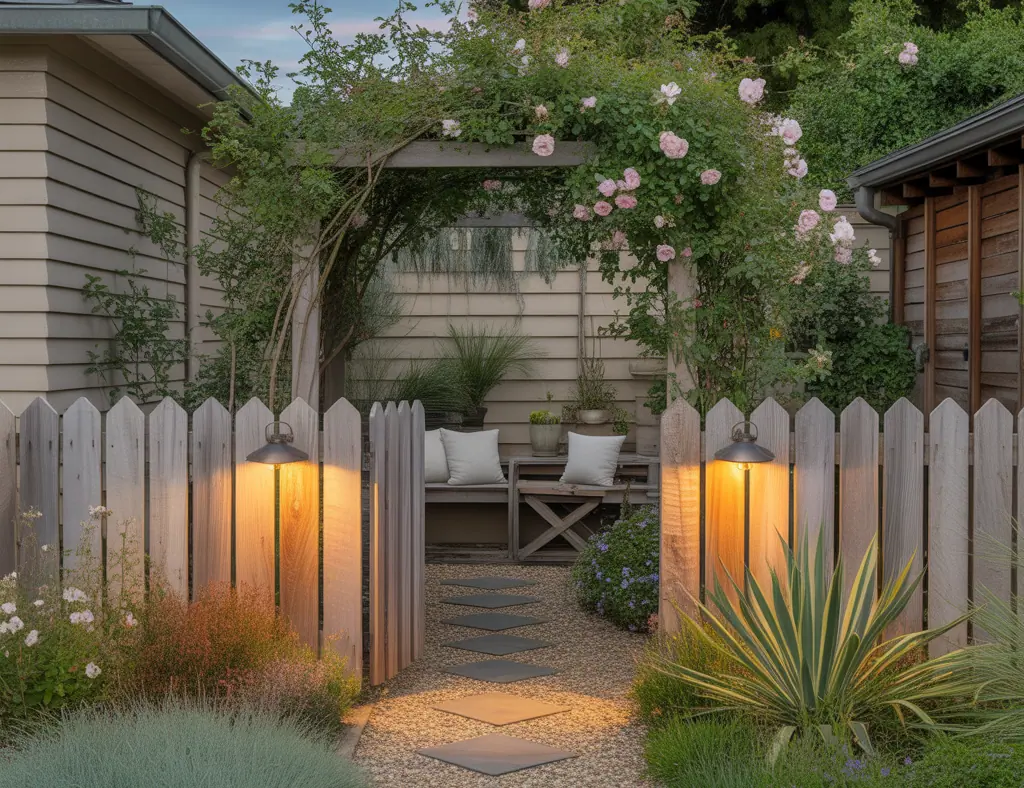
Picket fence — classic cottage charm
- Wood pickets painted white or a muted color for timeless appeal.
- Spacing can be 2–4 inches for visibility; use pressure-treated wood or cedar for longevity.
Horizontal slat fence — modern and streamlined
- Wide, horizontal boards create a sleek look while staying low enough to maintain openness.
- Use cedar or composite boards and dark stain for contrast.
Wrought iron or metal pickets — airy and durable
- Thin metal bars provide structure without blocking views and require minimal maintenance with powder coating.
- Great for historic homes or Mediterranean styles.
Half wall or low masonry — sturdy curb appeal
- Brick or stone knee walls (24–30 inches) give a solid, high-end look and can be capped for seating.
- Combine with iron railing on top for a hybrid look.
Split-rail or post-and-rail — rustic and budget-friendly
- Best for larger properties and natural landscapes where you want minimal obstruction.
Planter fence combo — living fence edge
- Build a low fence with integrated planters to add color and soften the boundary with flowers or herbs.
Bamboo or reed screen — casual tropical vibe
- Fast to install and eco-friendly; treat for weather resistance.
Mixed materials — personalize your front entry
- Combine wood posts with metal slats or stone bases for texture and depth.
Green hedge with a low fence — privacy plus structure
- A short fence fronted by a clipped hedge gives privacy while maintaining a layered, garden-like look.
DIY step-by-step: how to build a simple picket low fence
This is a straightforward project for homeowners comfortable with basic tools.
- Plan & measure: Map your property line, measure the length, and decide fence height (24–36″). Check local setback rules and any permit requirements.
- Gather materials: cedar or pressure-treated pickets, rails, posts, concrete mix, galvanized screws, post caps, wood stain/paint.
- Mark post locations: Typically 6–8 feet apart. Use stakes and string to ensure a straight line.
- Dig post holes: About 1/3 of the post length deep (10–12 inches for a low fence) and wide enough for concrete.
- Set posts: Place posts, level, and pour concrete. Allow 24–48 hours to cure.
- Attach rails: Secure horizontal rails between posts (two rails for added strength is common).
- Install pickets: Align spacing with a jig or spacer block, and screw pickets to rails. Leave a small gap at the bottom for mower clearance.
- Finish: Sand end cuts, apply stain or paint, and add post caps to protect from weather.
Practical tips for installing and maintaining a low fence
- Check property lines and local ordinances before you start — front yard setback rules and HOA guidelines can vary.
- Use rot-resistant materials (cedar, redwood, composite) or metal fasteners to reduce maintenance.
- Consider gate placement for pedestrian access and daily use.
- Plant low-growing pollinator-friendly flowers along the base to hide footing and add color.
- Seal or paint wood within two weeks of installation to protect against moisture and UV damage.
How to choose the right low fence for your needs
Ask yourself: do you want purely decorative character, a safe boundary for kids and dogs, or a low degree of privacy? Match materials and style to your home’s architecture — cottage homes suit pickets, contemporary homes pair well with horizontal slats, and historic properties often look best with metalwork. Also factor budget: a wooden picket fence is often the most cost-effective DIY option, while masonry and custom metalwork will require pros.
Front yard ideas low fence: small-scale upgrades that make a big impact
If a full fence feels like too much, try these smaller projects:
- Install short border edging along the walkway using mini pickets or metal edging.
- Create a decorative gate arch and a matching 24″ fence section near the entry for a focused welcome.
- Add a low, removable fence that can change seasonally — perfect for holiday decor or events.
Frequently Asked Questions
How tall should a low front yard fence be?
Most low fences range from 24 to 36 inches. Choose the height based on purpose: 24″ is decorative; 30–36″ works better for gentle containment of pets and kids.
Do I need a permit to install a low fence?
Permit requirements vary by city and homeowner association. Small decorative fences often don’t need permits, but always check local zoning and setback rules before beginning work.
What materials are best for low fences in wet climates?
Use rot-resistant wood (cedar, redwood), composite materials, or metal with a rust-resistant finish. Proper sealing, good drainage, and using treated posts set in concrete will extend the life of the fence.
Conclusion: Start with a simple plan and transform your curb appeal
Front yard ideas low fence can elevate curb appeal, add function, and create a welcoming entrance without blocking your view. Whether you choose a DIY picket fence, a modern slat solution, or a planter-integrated border, start small, plan thoroughly, and use durable materials. Ready to try a project? Browse our DIY projects for step-by-step help, explore home design ideas for inspiration, or check out related upgrades in the kitchen upgrades section to keep your whole home looking its best. Share your plans or ask for tips — let’s build something beautiful together.