Is your morning routine a scramble—searching for filters, hunting for mugs, or juggling beans and brewers across cluttered countertops? You’re not alone. A well-designed coffee corner can turn that daily chaos into a calm, efficient ritual. In this post I’ll share practical, hands-on ideas coffee station projects that fit every space, style, and budget so you can build a morning-ready coffee bar at home.
Why create a dedicated coffee station?
A dedicated coffee station saves time, cuts clutter, and elevates your kitchen design. Whether you want a compact coffee nook, a full espresso setup, or a portable coffee cart for entertaining, a thoughtful layout keeps everything — grinder, brewer, mugs, and supplies — within reach. These ideas coffee station tips focus on function and style so your setup looks great and works even better.
Top ideas coffee station for every kitchen
Below are versatile concepts you can adapt for large kitchens, tiny apartments, or open-plan living spaces.
1. Countertop coffee corner
Dedicate a 2–3 foot stretch of counter near a plug outlet. Keep essentials on a tray or small cutting board to contain spills and define the space. Use a two-tier organizer for filters, sugar, and teaspoons to free up counter space.
2. Floating-shelf coffee bar
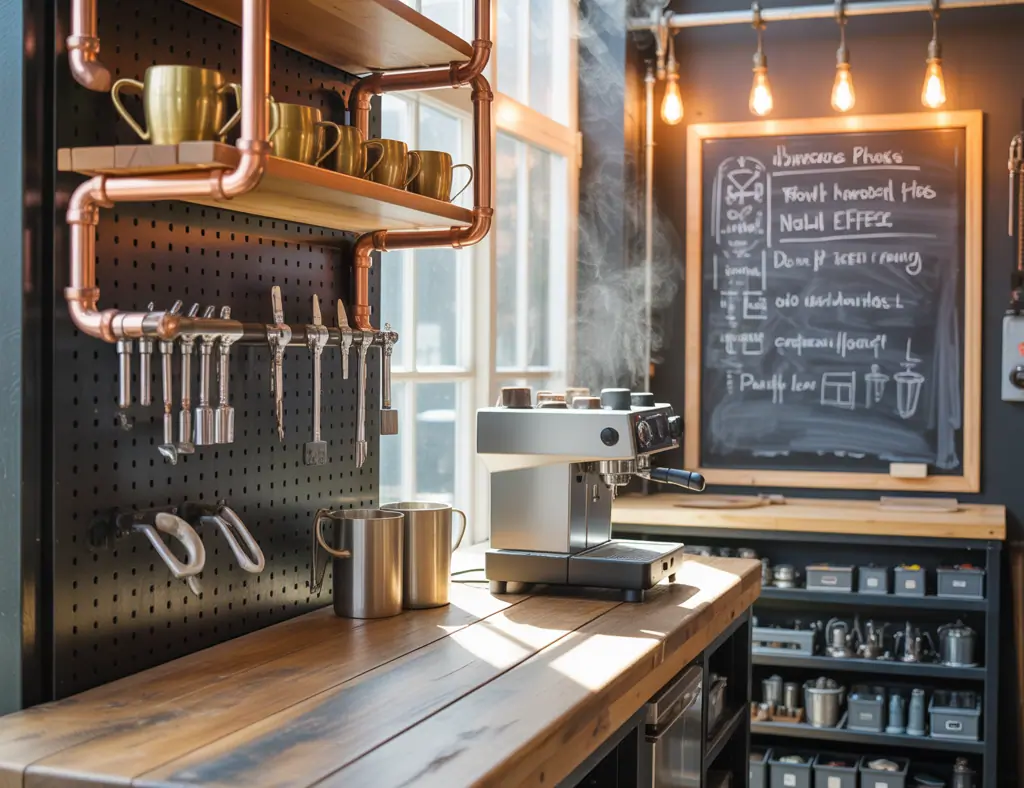
Install 1–2 floating shelves above the counter to display mugs and keep frequently used items close. Add under-shelf hooks for hanging mugs and a small rail with S-hooks for scoops and timers.
3. Repurposed cabinet or pantry coffee nook
Transform an underused cabinet or a pantry alcove into a hidden coffee station. Add plug-in puck-style outlets, a motion-sensor light, and pull-out shelves for your grinder and brewer.
4. Mobile coffee cart
A rolling cart is ideal for small spaces or for moving your coffee service from kitchen to living room. Choose one with a sturdy top for your machine and shelves for beans, syrups, and cups.
5. Built-in coffee cabinet
If you’re doing a kitchen upgrade, consider a built-in coffee cabinet with dedicated wiring, a tiled backsplash, and a designated space for an espresso machine. This is a higher-investment option that adds resale appeal.
DIY tips: step-by-step setup for a functional coffee bar
Here’s a simple DIY workflow you can follow to create a tailored coffee station in a weekend.
- Choose the location: Pick a spot near an outlet with easy access to water if you’ll be using an espresso machine.
- Measure and plan: Measure width, depth, and clearance. Sketch a layout for appliance placement and storage.
- Gather materials: Tray or butcher block, floating shelves or a small cart, adhesive hooks, under-cabinet light, storage jars, and labels.
- Install shelves or cart: Use a level and proper anchors for shelves. Assemble cart and test wheel locks.
- Organize essentials: Place brewer/grinder on the stable surface, jars for beans and sugar, a drawer tray for spoons and tampers, and a canister for filters.
- Style and personalize: Add a small plant, a framed coffee quote, or a chalkboard menu for a decorative touch.
Design inspiration and organization hacks
Good design balances aesthetics with accessibility. Below are quick wins to make your coffee station both pretty and practical.
Label and contain
Use clear jars with airtight lids for beans and a labeled tin for filters. Labels reduce decision fatigue and keep your setup tidy.
Zones for speed
Organize into zones: brewing zone (machine, water), prep zone (scales, grinder), and service zone (mugs, sugar, spoons). This assembly-line approach speeds up morning routines.
Protect surfaces
Place a silicone mat, small tray, or removable butcher block under your brewer to protect countertops from heat and spills.
Budget-friendly coffee station ideas for small spaces
Short on space or funds? Try these frugal ideas:
- Use a single floating shelf plus a decorative tray on the counter for the brewer and accessories.
- Repurpose a slim bookshelf as a vertical coffee station with stacked baskets for storage.
- Mount a pegboard on the wall to hang mugs, scoops, and small shelves—customizable and inexpensive.
Maintenance and longevity: keep your station efficient
Clean grinders and machines regularly, rotate beans for freshness, and declutter weekly. Replace worn filters, check seals, and wipe surfaces to keep your coffee station performing well.
Frequently Asked Questions
How much space do I need for a functional coffee station?
You can create a functional coffee station in as little as 2 feet of counter space for a drip machine or about 3 feet for an espresso setup. Vertical storage like shelves or a small cart expands capacity without needing more floor space.
What appliances should I include in a home coffee bar?
Start with a brewer that matches your daily habit (drip, single-serve, or espresso), a grinder (burr grinders are best for consistency), and a kettle if you enjoy pour-over. Add a scale, tamping mat, and frothing pitcher for specialty drinks.
How can I design a coffee station on a tight budget?
Repurpose furniture, use secondhand carts, install simple floating shelves, and buy a basic grinder and brewer. Prioritize functionality—organized storage and a reliable outlet—over expensive decor.
Conclusion: make mornings better with simple ideas coffee station
Creating a dedicated coffee station is one of the most rewarding home projects: it’s affordable, quick to build, and instantly improves daily life. Whether you choose a minimalist countertop setup, a stylish floating-shelf coffee bar, or a mobile cart, the key is planning zones, protecting surfaces, and keeping essentials organized. Ready to build your perfect morning ritual? Start with one small change this weekend—measure your space, pick a style, and try a DIY project from our DIY projects collection. If you’re thinking about a bigger refresh, check our ideas for kitchen upgrades or browse more home design ideas for inspiration.
Want a custom plan for your layout? Leave a comment or share a photo of your space and I’ll help you map it out.