Have you ever stared at your kitchen and imagined a sunlit Provençal room filled with weathered wood, soft colors, and the smell of fresh herbs — but felt intimidated about where to start? Whether you’re tackling a weekend DIY project or planning a full remodel, creating a French countryside kitchen look is achievable on any budget. This guide walks you through practical, hands-on improvements and design inspiration so you can bring that relaxed, timeless charm into your home.
Why Choose a French Countryside Kitchen?
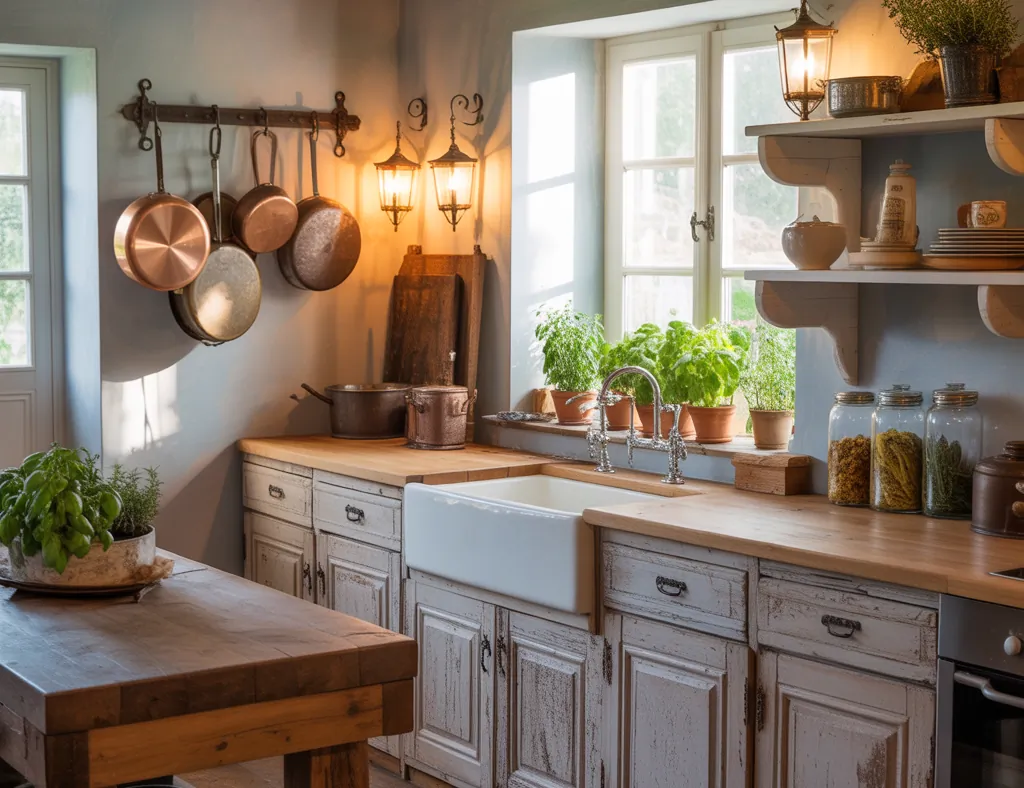
The French countryside kitchen — also called a French country or Provençal kitchen — blends rustic simplicity with elegant details. It favors natural materials, muted pastel hues, open shelving, and vintage accents. This style is perfect for homeowners who want warmth, functionality, and a lived-in look that invites family and friends to linger.
Core Design Elements to Capture the Look
1. Color Palette and Finishes
Stick to soft neutrals and weathered tones: creams, warm whites, soft blues, sage green, and terracotta. Distressed paint finishes and light glazing bring that antique feel without expensive restoration. Consider milk paint, chalk paint, or diluted eggshell paints for authentic texture.
2. Natural Materials
Wood and stone are your allies. Use reclaimed wood for countertops or shelving, butcher block for islands, and honed stone for durable worktops. Terracotta or patterned encaustic tiles make a beautiful floor or backsplash and add Old World character.
3. Open Shelving and Practical Storage
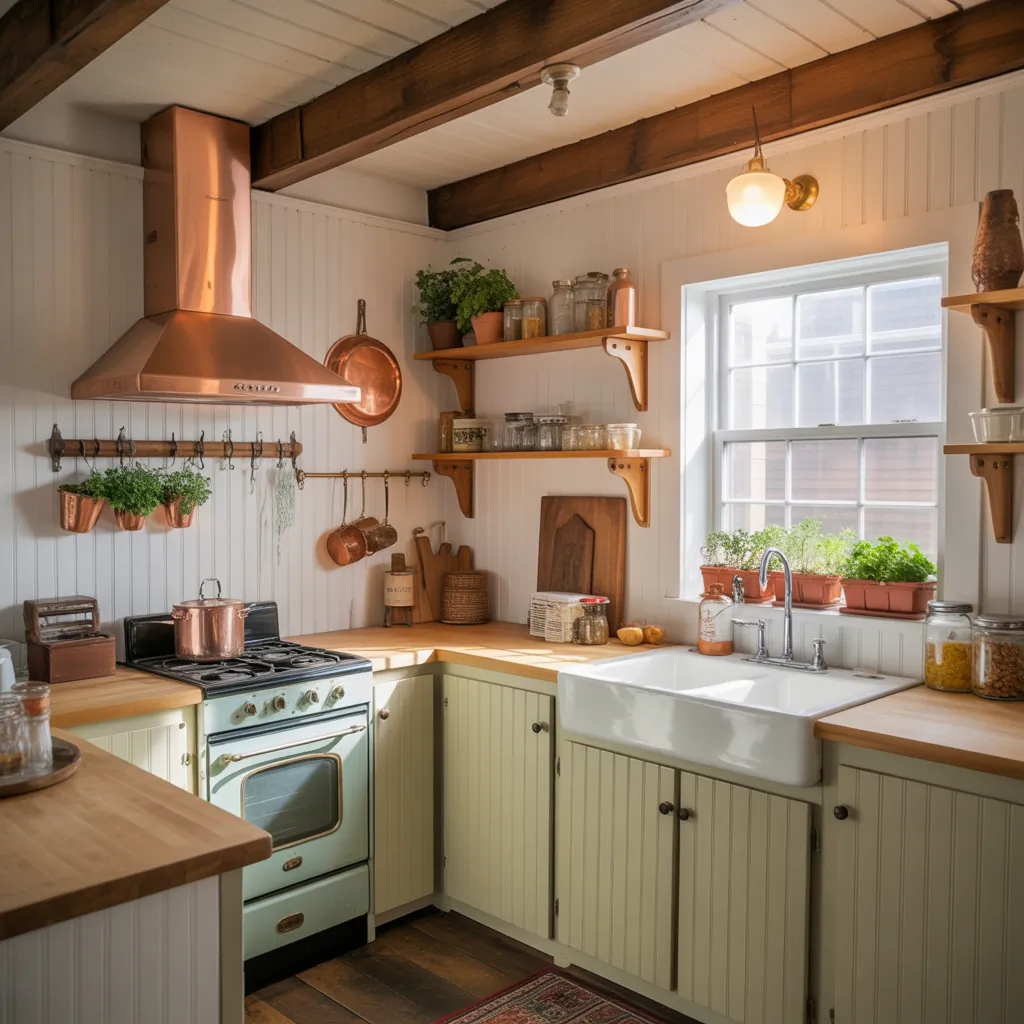
Replace some upper cabinets with open shelves to display earthenware, copper pans, and linen. Add woven baskets and labeled glass jars for pantry organization. Open storage reinforces the casual, lived-in vibe while being functional.
How to Create a French Countryside Kitchen: Step-by-Step
Follow these prioritized improvements to get the biggest visual impact for your time and money.
Plan the layout. Sketch your current kitchen and identify one or two focal changes — a painted cabinet run, a new island, or an open shelving wall. Keep the work triangle (sink, stove, fridge) efficient.
Refresh cabinet fronts with paint and glaze. Remove doors, sand lightly, prime, then apply two coats of milk or chalk paint in a soft hue. Add a glaze or brown wash in the crevices for an antique look. Reattach with new vintage-style knobs or cup pulls.
Install open shelving. Choose 1×8 or 1×10 reclaimed pine, finish with tung oil or a light whitewash, and anchor with heavy-duty brackets. Pre-drill and use wall studs or toggle bolts for secure mounting.
Swap in a farmhouse sink and rustic faucet. An apron-front sink instantly adds country charm. If replacing the sink is beyond scope, consider a faux apron-front or a large vintage basin as a secondary prep area.
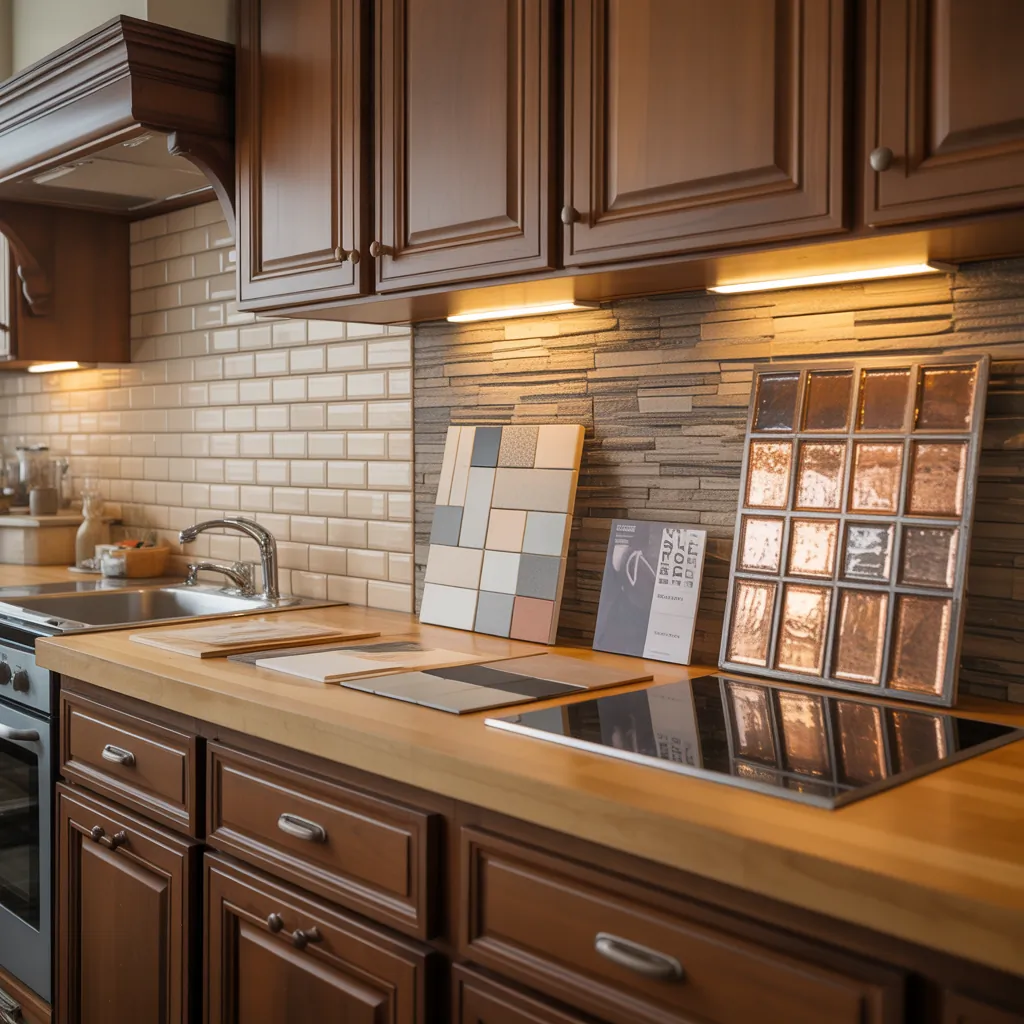
Add a statement backsplash. Use subway tiles laid in a herringbone pattern, painted terracotta, or a removable peel-and-stick tile for renters. Seal grout to protect against stains.
DIY Tools and Materials Checklist
- Paint (milk paint or chalk paint), primer, glaze
- Sandpaper, orbital sander (optional)
- Power drill, stud finder, level
- Reclaimed wood planks, brackets, screws
- New hardware (cup pulls, porcelain knobs)
- Sealers and food-safe finishes for wood countertops
Budget-Friendly Tips and Sourcing
You don’t need to break the bank to get a French countryside look. Shop flea markets, salvage yards, and thrift stores for vintage plates, copper pots, and an old farmhouse table. Refinish cabinet doors instead of replacing them, and use peel-and-stick tiles or painted concrete for an affordable countertop solution. Keep a running list of desired pieces and watch local marketplaces — patience often pays off with unique, inexpensive finds.
Lighting, Textiles, and Accessories
Natural light is central. Maximize it with sheer linen curtains or café-style window coverings. Add pendant lamps with aged brass or wrought iron finishes over the island. Layer in textiles such as linen tea towels, a braided rag rug, and slipcovers for chairs. Display fresh herbs in terracotta pots on the windowsill to add scent and authenticity.
Finishing Touches That Make a Difference
- Use open racks for hanging copper pans and ladles.
- Frame vintage botanical prints or old farm signs for wall decor.
- Incorporate a small wooden breadboard and ceramic canisters on countertops.
- Keep countertops clutter-free but styled: a bowl of lemons, glass jars with pasta, and a mortar and pestle.
Practical Advice for Longevity
Choose seals and finishes that protect wood and painted surfaces from moisture and wear. For countertops used heavily, choose durable options like butcher block treated with food-safe oil or honed stone sealed properly. Test paint samples on cabinet faces to ensure the color reads correctly in your kitchen’s light. When installing open shelving, consider weight limits and spacing to prevent sagging.
Frequently Asked Questions
1. Can a small kitchen pull off a French countryside kitchen style?
Yes — the style actually works well in compact spaces. Use light colors, open shelving, and multi-functional furniture like a narrow farmhouse table or a rolling island. Visual openness and natural materials create warmth without clutter.
2. Where can I source vintage hardware and rustic fixtures on a budget?
Check flea markets, estate sales, building salvage yards, and online marketplaces. Hardware stores sometimes carry reproduction cup pulls and porcelain knobs that evoke a vintage feel at an affordable price.
3. Is a farmhouse sink necessary to achieve the French countryside kitchen look?
No. While a farmhouse sink is iconic, you can achieve the style with a deep undermount sink, a vintage basin used decoratively, or even a clean modern sink paired with rustic finishes elsewhere. Focus on the overall materials, textures, and colors.
Conclusion — Start Your French Countryside Kitchen Makeover Today
Transforming your kitchen into a French countryside kitchen is about layering natural materials, soft colors, and thoughtful vintage details. Start small with painted cabinets or open shelving, source a few secondhand pieces, and prioritize durable finishes. Whether you’re planning a weekend DIY or phased kitchen upgrades, these steps help you create a warm, functional space that feels authentically lived-in.
Ready to get started? Explore more project ideas on our DIY projects page, browse helpful tips for larger remodels on our kitchen upgrades guide, or gather inspiration from our home design ideas collection. Share your progress and ask questions — I’d love to see your French countryside transformation!
For more unique and rustic decor ideas, check out our Decor Ideas Bread Bowl.
For more unique and rustic decor ideas, check out our Decor Ideas Bread Bowl.
For a stunning copper backsplash kitchen, check out this resource.
For a stunning copper backsplash kitchen, check out this resource.
For a stunning copper backsplash in your French countryside kitchen, check out this Copper Backsplash Kitchen.