Have you stood in your backyard on a sunny Saturday, paintbrush in hand, wondering whether to refresh that tired fence with a classic white, a bold charcoal, or a natural stain? Choosing the right color can feel like a big design decision—but it’s also one of the most impactful, budget-friendly ways to update your home’s curb appeal. In this guide I’ll share practical fence colors ideas, step-by-step DIY tips, and real-world advice so you can pick a color and finish that fits your home and lifestyle.
Why Fence Color Matters: More Than Just Paint
The color and finish of your fence affects how large or small your yard feels, how your landscaping reads, and even the perceived value of your home. A well-chosen fence color creates harmony with your house exterior, highlights garden beds, and can make a small yard feel more open. Consider your overall palette—roof, siding, trim, and plants—before choosing a finish.
Top Fence Colors Ideas to Inspire Your Next Project
1. Classic White — Clean, Timeless, and Bright
White fences evoke cottage charm and make greenery pop. They’re ideal for picket fences and traditional front yards. Use high-quality exterior paint and regular touch-ups to keep it looking fresh.
2. Natural Wood Stains — Warm and Low-Maintenance
Clear or lightly tinted stains showcase grain and are forgiving as wood ages. Stains require less frequent repainting than opaque paints and are great for rustic, farmhouse, and modern backyard looks.
3. Bold Blacks and Charcoals — Modern and Dramatic
Dark fences provide a striking, contemporary backdrop that makes plants and flowers stand out. They’re excellent for privacy fences and can visually shrink a large yard for intimate ambiance.
4. Soft Grays and Blues — Subtle and Soothing
Gray and muted blue tones pair well with coastal homes and modern facades. These neutrals are forgiving with dust and weathering, hiding imperfections better than pure white.
5. Earthy Greens and Browns — Camouflage with Nature
Green or brown hues blend fences into the landscape, especially useful when you want the garden to feel uninterrupted. These colors work well near wooded lots or naturalistic plantings.
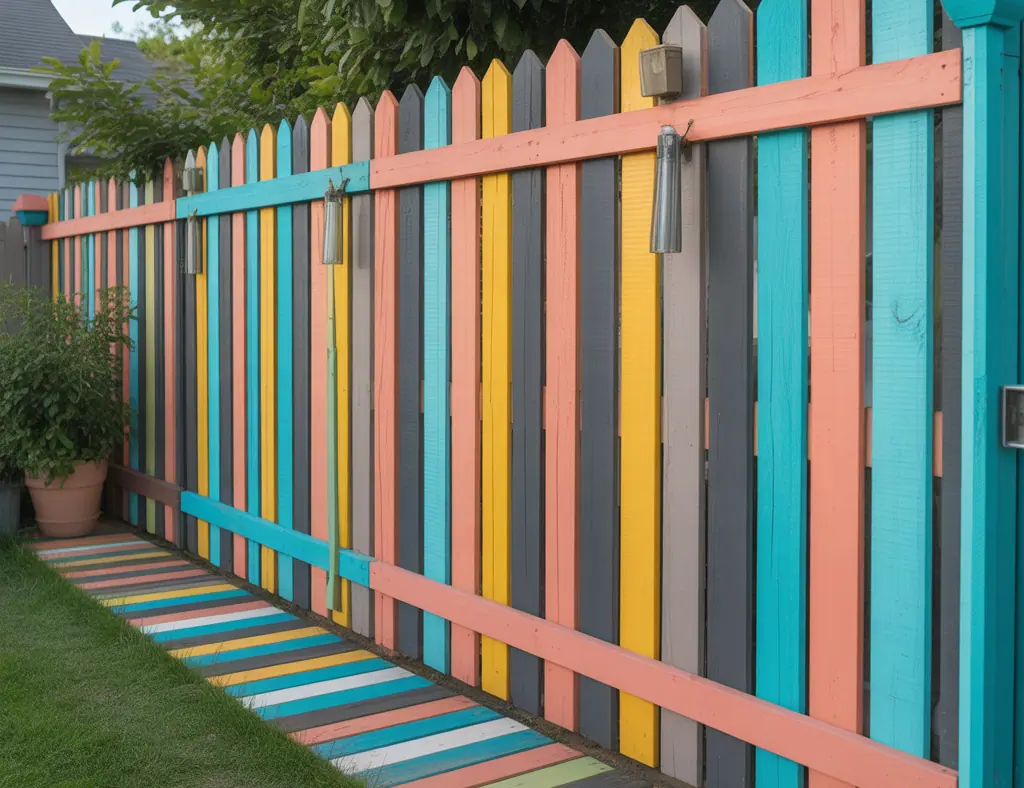
6. Two-Tone and Accent Ideas — Unique and Personal
Consider a two-tone scheme with a darker body and lighter posts or caps. You can also use a bright accent color on gates or trim to add personality without overwhelming the space.
How to Choose the Right Fence Color for Your Home
Follow these decision steps to pick a color that complements your house and landscape:
- Read the house: Match undertones (warm vs. cool) to your siding and trim.
- Consider scale: Light colors enlarge, dark colors create intimacy.
- Think about maintenance: Opaque paints need more touch-ups than stains.
- Test samples: Paint small panels or use large swatches in different lighting.
- Use surroundings: Pick colors that harmonize with plants, walkways, and outdoor furniture.
DIY Preparation and Painting: A Practical Step-by-Step Guide
Ready to paint or stain your fence? Here’s a simple DIY workflow to keep the job manageable and professional-looking.
Materials You’ll Need
- Exterior paint or stain and compatible primer (if painting)
- Pressure washer or garden hose and scrub brush
- Sandpaper or sanding block (medium grit)
- Painter’s tape, drop cloths, and brushes/rollers or sprayer
- Gloves, safety glasses, and a small ladder (if needed)
Step-by-Step Painting and Staining
- Clean the fence: Remove dirt, mildew, and old flaking paint using a pressure washer or scrub brush and detergent. Let it dry 24–48 hours.
- Repair and sand: Replace damaged boards and sand rough spots for an even surface.
- Prime (if needed): Use an exterior primer for raw wood or to block stains. Skip primer for most stains.
- Paint or stain: Apply two thin coats, allowing recommended drying time between coats. Use a sprayer for speed or brush/roller for control.
- Seal (optional): For stains, apply a clear wood sealer for extra protection against UV and moisture.
- Clean up and maintain: Store leftover paint, tidy tools, and plan for light touch-ups every 2–5 years depending on your finish.
Material-Specific Tips: Wood, Vinyl, and Metal Fences
Wood Fences
Wood offers the widest color and finish choices. Stain for a natural look or opaque paint for a bold statement. Always use products rated for exterior wood and re-coat according to the manufacturer.
Vinyl Fences
Vinyl comes in fixed colors—painting is possible but requires special primers and paints. If you plan to paint, choose light tones to avoid heat absorption and warping.
Metal Fences
Use rust-inhibiting primers and paints formulated for metal. Powder coating is a durable factory-finish option if you’re replacing panels.
Design Inspiration and Real-World Advice
Mix and match techniques for creative effects:
- Shadow-box fences: Paint the front and back faces different but compatible colors for depth.
- Living fence accents: Paint planters or gate frames a bright color that repeats in container plants.
- Neighborhood fit: If your area has an HOA, pick within approved palettes—then use landscaping and accents to express personality.
Budget tip: Painting is usually cheaper than replacing a fence. A gallon of good exterior paint covers roughly 200–400 square feet, so calculate materials before you start.
Fence Colors Ideas for Specific Styles
Cottage and Farmhouse
White, cream, or soft grey complemented by natural stain accents keep the look cozy and timeless.
Modern and Minimalist
Matte black, charcoal, or cool greys with clean lines create a sleek backdrop for contemporary landscaping.
Coastal and Beachy
Soft blues, turquoise accents, and weathered wood tones evoke a relaxed seaside vibe.
Frequently Asked Questions
1. What color fence increases curb appeal the most?
Neutral colors—white, soft gray, or natural wood stains—tend to have the broadest appeal because they complement most home exteriors and landscaping styles. However, a well-executed dark fence (charcoal or black) can also boost value by creating a polished modern look.
2. How do I choose a fence color to match my house?
Start by identifying your house’s undertones (warm vs. cool). Pick a fence color with similar undertones and test large samples near the house at different times of day. Use color theory—contrasting hues can highlight features while analogous tones create a cohesive appearance.
3. Should I paint or stain my fence?
Choose paint for opaque, color-saturated looks and easy color changes. Choose stain for a natural, lower-maintenance finish that preserves wood grain. Consider climate and desired maintenance cycle: paint usually requires more frequent upkeep than high-quality stains.
Conclusion — Pick a Color, Plan the Project, and Transform Your Yard
Fence colors ideas can dramatically change how your home looks and feels. Whether you choose a classic white, a natural stain, or a bold charcoal, the right finish, proper preparation, and a thoughtful color choice will give you big returns on a modest investment. Ready to start? Test color samples in your yard, gather your tools, and set aside a weekend for a DIY refresh that elevates your curb appeal.
Want more project inspiration and step-by-step guides? Check out our DIY projects page for weekend builds, browse home design ideas for color palettes, or explore kitchen upgrades if you’re planning a larger home refresh. If you’d like help choosing a palette, leave a comment below or share a photo of your fence—let’s make your yard beautiful together.