Ever cleared out your living room for a weekend DIY project and wondered if it could double as a mini runway? Whether you’re dreaming of hosting a neighborhood fashion show, staging a photoshoot, or simply creating a dramatic dressing-room moment, building fashion show runway stage designs at home is easier than you think. If you’ve ever wrestled with cramped spaces, mismatched decor, or a lack of event budget, this guide will help you transform ordinary rooms into a runway-ready stage with practical, budget-friendly steps.
Why Create a Home Runway? The Benefits and Inspiration
Turning part of your home into a catwalk is not just for aspiring designers or influencers. A DIY runway can:
- Elevate party and event experiences
- Provide a customizable backdrop for photos and videos
- Offer a creative way to test lighting, staging, and styling ideas
- Be a fun, hands-on home improvement project that boosts resale appeal in unique listings
How to Build Fashion Show Runway Stage Designs at Home
Below is a step-by-step plan to design a compact, safe, and stylish runway stage that suits small spaces like living rooms, garages, or basements.
Step 1: Plan Your Layout and Measurements
- Measure the available space — typical home runways can be 6–12 feet long and 2–3 feet wide for a single-person catwalk.
- Decide on a raised platform or ground-level catwalk. Raised platforms (6–12 inches) add drama but require sturdy supports and railings for safety.
- Sketch the layout, including audience seating, backstage area, and where lighting will go.
Step 2: Choose the Right Materials
Materials determine durability and look. For a budget-friendly build consider:
- 2×6 or 2×8 lumber for framing a raised platform
- Plywood (3/4″) for decking the catwalk
- Carpet remnant, runner rug, or black stage paint for the walking surface
- Edge trim or metal channel to protect corners
- LED strip lights or simple stage spotlights for dramatic illumination
- Backdrop fabric, PVC pipe, or tension curtain rods for easy backdrops
Step 3: Building the Platform (Simple Raised Runway)
- Cut the 2×6 lumber to length for the perimeter frame based on your runway dimensions.
- Assemble the rectangular frame with wood screws and corner brackets for extra strength.
- Add cross joists every 12–16 inches to prevent bending under foot traffic.
- Attach plywood decking to the frame with countersunk screws.
- Sand the edges and apply finish or paint. Add carpet or a runner with heavy-duty adhesive or carpet tape.
Step 4: Lighting and Sound Basics
Good lighting makes or breaks runway stage designs. For a home setup:
- Use warm-to-neutral LED spotlights to highlight models; clip-on work lights are a low-cost option.
- Install LED strip lights along the platform edges for a professional glow.
- Consider a Bluetooth speaker and a simple mixer app on your phone for music control.
Design Inspiration: Themes and Backdrop Ideas
Match your runway to the vibe you want. Try these themes and staging suggestions:
- Minimalist Studio: Matte black runway, white backdrop, and cool white spotlights for editorial photoshoots.
- Glam Red Carpet: Plush red runner, gold stanchions, and soft warm lights for an awards-night feel.
- Boho Garden: Natural wood platform, potted plants, string lights, and macramé backdrops for outdoor events.
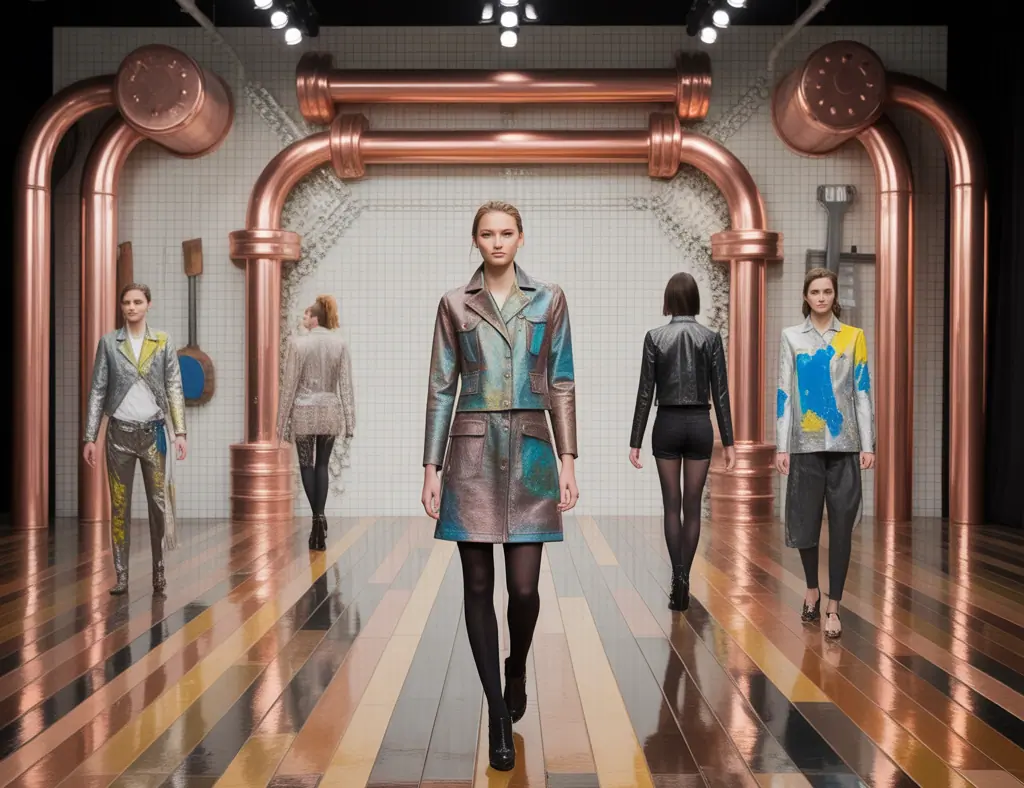
- Futuristic LED: Reflective flooring, programmable RGB LED strips, and a geometric PVC backdrop for a modern look.
Safety, Accessibility, and Practical Tips
Don’t sacrifice safety for style. Follow these practical recommendations:
- Secure all edges and eliminate trip hazards by smoothing transitions between the runway and floor.
- Use nonslip tape under rugs and runners; choose slip-resistant paint finishes on plywood.
- Reinforce platform supports if heavier equipment or multiple models will be on stage simultaneously.
- Provide clear backstage access and sufficient lighting for changing and prep areas.
Budget Hacks and Materials Reuse
Save money and reduce waste by:
- Buying scrap plywood from lumber stores or using leftover kitchen cabinet plywood for a thin deck.
- Repurposing old rugs, thrifted curtains, and leftover LED strips from other projects.
- Renting heavier lighting gear for larger events instead of buying.
Small-Space Runway Ideas: Portable and Temporary Options
If you don’t want a permanent structure, try these quick solutions:
- Foldable stage risers stacked and secured for temporary height
- Runner rug taped down and flanked by battery-powered uplights
- Modular stage platforms that bolt together and disassemble for storage
Real-World Example: Turning a Hallway into a Catwalk
One common DIY challenge is converting a narrow hallway into a runway for an at-home show. Tip-by-tip:
- Clear the path and measure a 2-foot-wide central strip.
- Lay a runner or painted plywood strip for the catwalk surface.
- Mount battery spotlights on the walls pointed downward to elongate silhouettes.
- Use folding chairs staggered along the walls to simulate audience seating without overcrowding the walkway.
Frequently Asked Questions
1. How much does it cost to build a basic home runway?
A small DIY runway can cost anywhere from $100–$800 depending on materials, platform height, and lighting. Using repurposed materials and DIY lighting reduces costs significantly.
2. Can I build a runway that’s safe for heels and high heels?
Yes. Use stiff plywood decking, nonslip surface treatments, and secure edge trim. Ensure the platform has adequate support and no flexing under weight to prevent wobble under heels.
3. Do I need professional lighting for a fashion show at home?
No—professional lighting helps but isn’t required. Good placement of DIY spotlights, LED strips, and reflectors can produce pleasing results. For livestreaming or professional photos, rent a couple of more powerful lights if budget allows.
Conclusion: Bring Fashion Show Runway Stage Designs Home
Transforming part of your home into a runway is a rewarding DIY home improvement that adds personality and function. Whether you build a simple portable catwalk or a dramatic raised stage, the right planning, materials, and lighting make a big difference. Ready to start your own project? Check out other hands-on DIY projects for inspiration, browse related home design ideas, or pair your new runway with stylish kitchen upgrades for a full home refresh. Share your plans or photos in the comments—let’s build something runway-ready together!