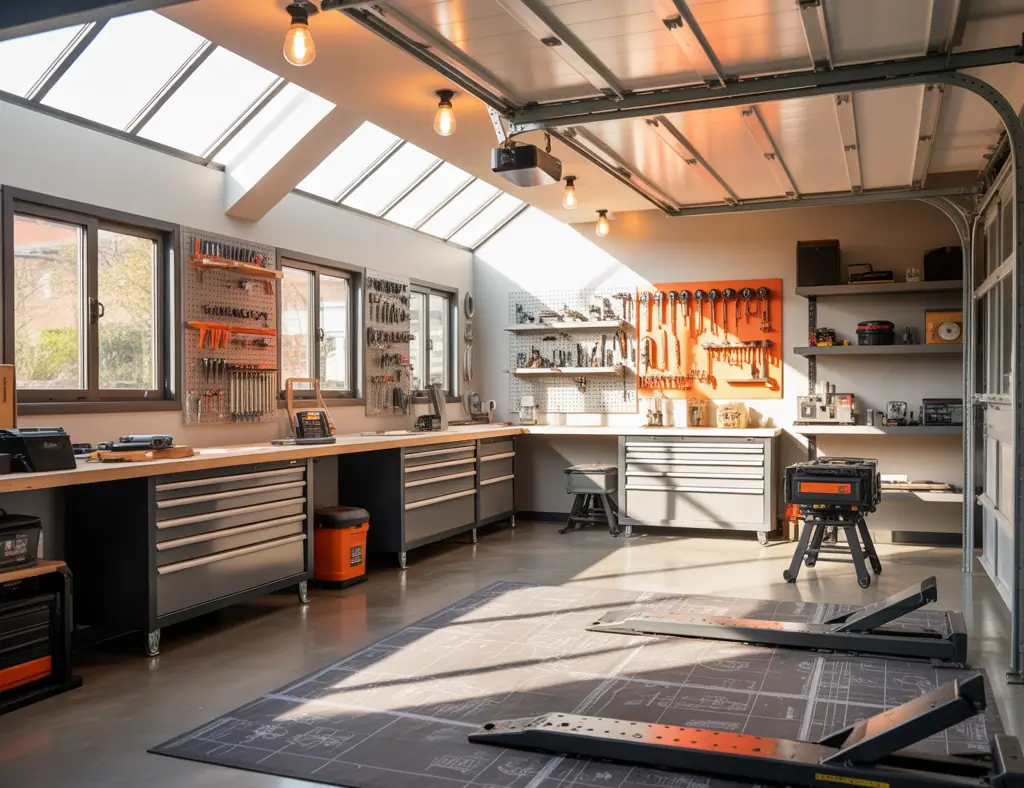
Picture this: your car is squeezed in beside a mountain of holiday bins, a bike, and a dwindling stack of paint cans — and winter’s coming. Sound familiar? If your garage feels more like a storage unit than a workspace, it’s time to explore expansion ideas garage owners actually use to reclaim functionality and boost home value. Whether you want a three-car layout, a workshop, or a cozy ADU above the garage, this guide gives practical, DIY-friendly steps, design inspiration, and real-world advice to get you started.
Why expand your garage? Real benefits and quick wins
Expanding a garage does more than park another car. It creates room for an organized workshop, increases storage capacity, adds rentable living space, and improves curb appeal. Many homeowners find a garage addition delivers a solid return on investment and immediate lifestyle improvements — fewer trips to storage units and more usable square footage.
Top expansion options for every budget
Below are the most common and effective garage expansion ideas — from small DIY tweaks to full construction projects.
1. Widen or lengthen the footprint (attached garage expansion)
- What it is: Extending the garage side-to-side to fit another vehicle or lengthening to accommodate larger trucks.
- Good for: Homeowners with extra lot width or deep yards.
- DIY vs pro: Foundation work and roofing usually need pros, but you can handle interior finishes yourself.
- Estimated cost/time: $15k–$50k+, 4–12 weeks depending on permits and foundation.
2. Build a second-story addition over the garage
- What it is: Constructing an upper-level room — office, guest suite, or ADU — above the existing garage.
- Good for: Small lots where lateral expansion isn’t possible.
- DIY vs pro: Structural and HVAC work should be done by licensed contractors.
- Estimated cost/time: $40k–$120k+, 8–20 weeks.
3. Convert the attic or roof space into a loft
- What it is: Add a mezzanine storage loft or small studio inside the garage envelope.
- Good for: Homeowners seeking extra storage or a compact workspace without changing the footprint.
- DIY vs pro: Framing a loft and installing a ladder can be DIY with carpentry experience.
- Estimated cost/time: $1k–$8k, 1–3 weeks.
4. Detached workshop or carriage house
- What it is: Build a separate structure in the backyard for a workshop, studio, or extra parking.
- Good for: Large yards and those who want noise isolation or a rental unit.
- DIY vs pro: Small prefab kits can be DIY; full builds usually require contractors.
- Estimated cost/time: $5k–$80k depending on size and finishes.
Step-by-step: A practical DIY-friendly garage expansion plan
Here’s a step-by-step plan for a common, budget-conscious project: adding a storage loft and widening the garage door opening (a hybrid DIY + pro project).
- Assess structural limits and get permits. Check with your local building department and review your property setbacks. This step prevents costly rework.
- Design a layout. Sketch storage zones, workspace, and clearance needs. Consider appliances, tool cabinets, and a walking path.
- Prepare the site. Clear clutter, level the floor area, and mark framing lines.
- Reinforce or install beams. For a loft, add engineered lumber joists or I-joists. Hire a contractor if you’re unsure about load-bearing changes.
- Build the loft frame. Construct a platform, add guardrails, and install a fold-down ladder or staircase. Use plywood decking and steel connectors for durability.
- Widen the doorway (if needed). Temporarily support the roof, remove old framing, install a header beam sized by a pro, and finish with new trim.
- Finish the space. Add LED lighting, epoxy or interlocking floor tiles, wall organizers, and climate control if desired.
- Inspect and enjoy. Schedule final inspection if required and move belongings back in an organized way.
Design inspiration: finishes, lighting, and storage solutions
Pick a style that ties to your home’s exterior: modern, farmhouse, or traditional. Consider these finishes:
- Epoxy garage floors or interlocking PVC tiles for a clean, durable surface.
- Wall-mounted slatwall systems, pegboards, and ceiling racks for vertical storage.
- Bright LED strip lights and task lighting above workbenches.
- Insulate walls and consider mini-split HVAC for year-round comfort if converting to living space.
Small touches that make a big difference
- Replace the garage door with insulated, windowed panels for light and curb appeal.
- Add exterior siding to match the house and paint to blend the addition seamlessly.
- Install a service door for easy pedestrian access without opening the main door.
Costs, permits, and contractor tips — real-world advice
Before you start, get at least three detailed quotes and check contractor references. Ask for timelines, material lists, and warranty terms. For permits: most expansions require plans, inspections, and possibly HOA approvals. Budget 10–20% extra for unexpected issues, especially in older homes (rot, poor foundations, or outdated wiring).
Expansion ideas garage: eco-friendly and budget-friendly options
For green-minded homeowners, use reclaimed lumber, low-VOC paints, and LED lighting. If you’re on a tight budget, prioritize organizational upgrades like wall systems and a loft — they maximize usable space without a full build.
Frequently Asked Questions
- 1. How much does it cost to expand a garage?
- Costs vary widely: small lofts or internal conversions can be under $10k, basic footprint extensions often range $15k–$50k, and full second-story additions typically start around $40k and go up. Local labor and materials are major factors.
- 2. Do I need a permit to expand my garage?
- Almost always yes. Structural changes, new foundations, and living-space conversions typically require building permits and inspections. Check local codes and HOA rules before you begin.
- 3. Can I convert my garage into a rental unit or living space?
- Yes, many homeowners convert garages into ADUs or guest suites. You’ll need to meet local zoning, insulation, egress window, and electrical/plumbing codes. Expect higher costs due to HVAC, insulation, and plumbing.
Conclusion: Start your expansion project today
Whether you choose a simple loft, a widened footprint, or a second-story addition, these expansion ideas garage owners use can transform cluttered space into a functional, valuable part of your home. Start by assessing needs, checking permits, and sketching a plan. If you want hands-on projects, try small DIY upgrades first — like a storage loft or wall organization — then scale up to larger builds when you’re ready.
Ready to tackle a garage upgrade? Explore our DIY projects for step-by-step tutorials, get inspiration from our home design ideas, or re-evaluate priorities with a kitchen or living area refresh on our kitchen upgrades page. Share your plan in the comments or start a project checklist today — and reclaim your garage space.