The Financial Impact of Strategic Home Maintenance and Improvement
Our homes are often our biggest investments. Keeping them in top shape is key to protecting that value. Regular home maintenance and thoughtful improvements make our living spaces safe, comfortable, and valuable for years to come.
But what exactly does that involve? It can feel like a lot to keep track of. In this guide, we will explore the difference between home maintenance and home improvement. We will cover essential tasks, from fixing roof issues to dealing with pests.
Understanding these steps helps prevent costly surprises. It also extends your home’s life and makes it a better place to live. For big projects, like ensuring your roof is sound or upgrading key systems, knowing when to seek out professional home renovation and roofing services is often the best choice. Let’s explore how we can best care for our homes.
Maintaining a home isn’t just about aesthetics; it’s a critical financial strategy that protects and enhances your property’s value. Proactive home maintenance and well-planned improvements offer a significant return on investment (ROI), not only by preventing costly emergencies but also by increasing energy efficiency and overall market appeal. We often think of homeownership as a series of large expenses, but many of these can be mitigated or transformed into value-adding assets through smart planning.

Consider the cost-benefit analysis of regular upkeep. For instance, an average roof repair might cost around $550, but neglecting minor issues can quickly lead to a complete roof replacement, which averages about $8,500. This stark difference highlights how a small, timely intervention can save thousands. Similarly, annual AC unit inspections, typically costing $125 to $175, can extend the unit’s lifespan and prevent premature replacement, saving homeowners thousands in the long run.
Energy efficiency is another area where strategic maintenance pays off. Regularly servicing HVAC systems ensures they operate at peak performance, significantly reducing energy consumption. Cleaning your dryer duct monthly, for example, can save you approximately $20 per month on utility bills, while also reducing fire hazards. These small, consistent efforts compound over time, leading to substantial savings.
When we invest in our homes, whether through routine care or significant upgrades, we’re not just spending money; we’re building equity and creating a more comfortable, secure living environment. Even seemingly minor updates, like replacing old, inefficient windows with modern, energy-efficient ones, can make a substantial difference. For homeowners considering such an upgrade, exploring options like EMC Remodeling Cedar Park replacement windows can be a wise investment. You can learn more about the process and benefits in our detailed Window Replacer Complete Guide.
Maximizing ROI through Modernization
Home improvements are elective changes designed to enhance a home’s quality, appeal, or functionality, often with an eye toward increasing its market value. While maintenance preserves the status quo, improvements evolve the property. Popular projects that consistently deliver strong returns include kitchen remodels, bathroom upgrades, and the integration of smart home technology. These improvements not only make your home more enjoyable but also attract potential buyers should you decide to sell.
For example, updating outdated siding can dramatically improve curb appeal and energy efficiency. Projects like these are not just cosmetic; they protect your home’s structure and can significantly boost its value. Our Siding Repair Services Complete Guide offers valuable insights into maintaining and upgrading your home’s exterior.
Reducing Long-Term Expenses with Preventive Care
Preventive care is the cornerstone of responsible homeownership. It involves routine tasks and inspections designed to catch small problems before they escalate into major, expensive repairs. This approach is particularly effective for critical systems like HVAC, plumbing, and roofing.
Annual professional inspections and servicing for furnaces, boilers, and air conditioners, typically costing $150 to $200, are crucial. These tune-ups improve efficiency, reduce the likelihood of breakdowns, and often extend the life of the units. Imagine the peace of mind knowing your heating and cooling systems are reliable, especially during extreme weather.
The roof, as your home’s primary shield, demands consistent attention. Regular inspections can identify loose or damaged shingles, preventing water intrusion that can lead to extensive and costly interior damage. Our Asphalt Roof Maintenance Playbook provides comprehensive chores for ensuring a durable home, helping you avoid those hefty repair bills. By investing a little time and money upfront, we can save ourselves from much larger financial burdens down the line.
Critical Roofing Care and Emergency Mitigation
The roof is arguably the most vital component of your home’s exterior, providing essential protection against the elements. Neglecting its condition can lead to leaks, structural damage, and significant interior repairs. Effective roofing care involves both proactive maintenance and swift action in emergency situations. We should aim to perform roof inspections at least twice a year, typically in the spring and fall, and always after severe weather events.
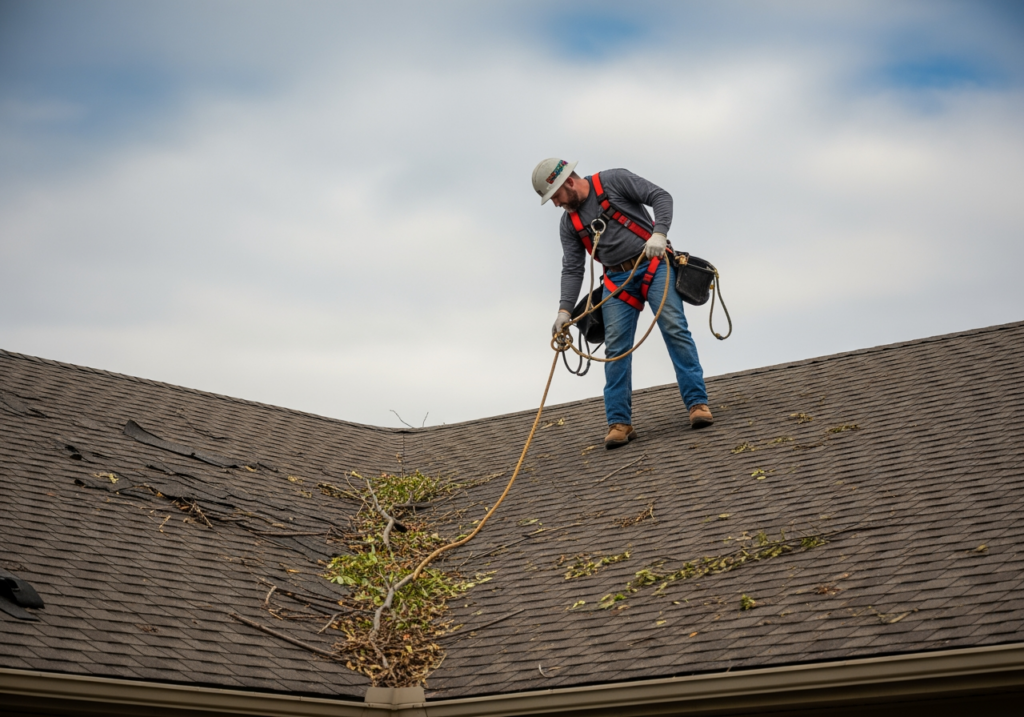
During these inspections, we look for signs of wear, damage, or potential vulnerabilities. Things like missing or cracked shingles, compromised flashing around chimneys and vents, and excessive granule loss in gutters can indicate underlying issues. Addressing these minor problems promptly can prevent them from escalating into major, costly repairs. For comprehensive guidance on preparing for and handling unexpected damage, our emergency roof repair complete guide is an invaluable resource. Should you find yourself needing immediate assistance, locating a reliable roofer near me in Killeen, TX can connect you with local experts.
Identifying Early Signs of Roof Failure
Catching roof problems early is key to preventing extensive damage. Homeowners should regularly check for several common indicators of roof failure:
- Missing or Damaged Shingles: High winds can lift or tear shingles, leaving the underlayment exposed to moisture. Inspect for curled, cracked, or buckling shingles, which can indicate aging or weather damage.
- Granule Loss: If you notice an accumulation of shingle granules in your gutters, it’s a sign that your shingles are deteriorating and nearing the end of their lifespan.
- Water Stains: Stains on ceilings or walls, especially in the attic, are clear indicators of a leak. Track the source of these stains to identify the entry point of water.
- Sagging Roof Deck: A sagging roofline can point to structural issues or excessive moisture absorption, requiring immediate professional assessment.
Regular visual inspections, both from the ground and, if safely possible, from a ladder, are crucial. For a more thorough assessment, especially after a storm, scheduling a professional roof inspection can provide peace of mind. Learning how to Fix Roof Shingles yourself can also help with minor repairs, though caution is always advised when working at heights.
Addressing Urgent Structural Issues
Some roofing problems demand immediate attention to prevent catastrophic damage. These urgent structural issues typically arise from severe weather or unforeseen events:
- Storm Damage: Hail, strong winds, and heavy rain can cause significant damage to shingles, flashing, and even the underlying roof structure. After any major storm, a thorough inspection is paramount.
- Fallen Branches: Trees can pose a threat to your roof, especially during high winds or ice storms. Fallen branches can puncture the roof, displace shingles, or damage gutters.
- Active Leaks: Any active water intrusion into your home needs to be addressed immediately. Even a small leak can lead to mold growth, rot, and damage to insulation, drywall, and electrical systems.
When faced with urgent issues, it’s often best to call a professional for a roof repair service. They have the expertise and equipment to safely assess and repair the damage. Leaks around chimneys are particularly common due to compromised flashing, and understanding how to address a Roof Leaking Around Chimney can help homeowners communicate effectively with repair technicians. Prompt action in these scenarios can save your home from extensive and expensive secondary damage.
Seasonal Checklists for Year-Round Property Preservation
A well-maintained home requires year-round attention, with specific tasks varying by season. Developing a seasonal maintenance checklist helps us stay organized, tackle tasks efficiently, and prevent small issues from becoming major headaches. Key areas of focus include gutter cleaning, ensuring proper weather-stripping, and checking the foundation for cracks or moisture.
Gutters, for instance, play a critical role in directing rainwater away from your home’s foundation. Clogged gutters can lead to water overflow, causing damage to fascia boards, siding, and even foundation erosion. Regular cleaning, especially in spring and fall, is essential. If your gutters are old or damaged, considering a replacement can be a smart investment. Our Gutter Replacement Cost Complete Guide provides helpful information for budgeting and planning this important upgrade.
Weather-stripping around windows and doors helps maintain indoor temperatures, reducing energy consumption. Inspecting and replacing worn-out weather seals seasonally can significantly improve your home’s energy efficiency. Similarly, checking your foundation for any new cracks or signs of moisture intrusion is vital, as these can indicate more serious structural issues that need professional attention.
Spring and Summer Home Maintenance and Improvement Tasks
As the weather warms up, our focus shifts to preparing our homes for the heat and humidity of spring and summer.
- AC Tune-ups: Before the summer heat hits, schedule a professional AC tune-up. This ensures your system is running efficiently, preventing breakdowns and saving on energy bills. Regular servicing of HVAC systems ensures they function efficiently, reducing energy consumption and preventing costly breakdowns. For reliable heating and cooling solutions, consider consulting local experts who can help maintain your system.
- Deck Sealing: Inspect your deck for any loose boards or nails. Clean and reseal it to protect the wood from sun and rain damage, extending its lifespan and maintaining its appearance.
- Lawn Aeration: Aerating your lawn in spring allows air, water, and nutrients to penetrate the soil, promoting healthier grass growth and improving drainage.
- Exterior Cleaning: Pressure wash siding, driveways, and walkways to remove dirt, mold, and mildew that have accumulated over winter.
- Window and Door Checks: Inspect window and door seals for drafts and repair or replace weather-stripping as needed. Also, check for any damage to your home’s siding, which can be protected or repaired using insights from our Hardie Board Siding Complete Guide.
Fall and Winter Home Maintenance and Improvement Essentials
As temperatures drop, it’s time to prepare our homes for the colder months, focusing on warmth, energy efficiency, and preventing winter-related damage.
- Furnace Inspection: Schedule a professional furnace inspection and cleaning before winter. This ensures your heating system is safe and efficient, preventing costly breakdowns when you need it most. Furnaces, boilers, and air conditioners should be professionally inspected and serviced each year for $150 to $200 to improve efficiency and reduce breakdowns.
- Pipe Insulation: Insulate exposed pipes in unheated areas like basements, crawl spaces, and attics to prevent freezing and bursting.
- Chimney Sweeps: If you have a fireplace, have your chimney professionally inspected and cleaned by a CSIA-Certified sweep annually. This prevents creosote buildup, which is a fire hazard.
- Gutter Cleaning: Clear gutters and downspouts of leaves and debris to ensure proper drainage and prevent ice dams.
- Roof Inspection: Conduct a thorough roof inspection before winter to identify and repair any damaged or missing shingles. This is crucial for preventing leaks when snow and ice accumulate. Our Asphalt Shingle Roof Repair Guide and The Ultimate Guide to Repairing a Leaky Asphalt Shingle Roof provide detailed steps for addressing common issues.
- Winterize Outdoor Faucets and Sprinkler Systems: Turn off water to exterior spigots and drain them to prevent freezing. Blow out sprinkler lines if you have an irrigation system.
Protecting Structural Integrity Through Pest Control and System Audits
Beyond the visible elements of our homes, there are hidden threats that can compromise structural integrity and indoor air quality. Pests and environmental factors like moisture can cause significant damage if left unchecked. Proactive pest control and regular system audits are essential for maintaining a healthy and structurally sound home. This includes everything from preventing termites to managing moisture levels in crawl spaces and attics.
Termites, for example, can silently destroy wooden structures, leading to expensive repairs. Regular inspections and preventative treatments are crucial, especially in regions prone to these pests. Similarly, controlling moisture in damp areas like basements and crawl spaces prevents mold growth and wood rot, which can severely weaken your home’s framework. For homeowners dealing with or wanting to prevent pest infestations, seeking professional assistance like Albuquerque pest control for home improvement can be a strategic move. These experts can identify vulnerabilities and implement effective solutions.
While we focus on these hidden threats, it’s also important to remember the larger protective shell of our home. Ensuring your roof is in top condition is a foundational step in protecting against both pests and moisture. Our Complete Roof Replacement Guide offers extensive information on maintaining this critical barrier.
Safeguarding Against Biological Threats
Biological threats such as mold, rodents, and wood-destroying organisms can undermine your home’s health and structural integrity.
- Mold Remediation: Mold thrives in damp, dark environments. Inspect basements, attics, and bathrooms regularly for signs of mold growth. Address any leaks or excessive humidity immediately. For professional guidance on maintaining a healthy home environment, resources like American Healthy Homes can provide expert advice on mold remediation and indoor air quality.
- Rodent Exclusion: Rodents can chew through wires, contaminate food, and spread diseases. Seal any entry points, such as cracks in the foundation, gaps around pipes, and unsealed vents.
- Wood Rot: Caused by fungal growth in moist wood, wood rot can severely weaken structural components. Ensure proper ventilation in attics and crawl spaces, fix leaks promptly, and keep wood away from direct soil contact.
Essential Safety and System Checks
Beyond biological threats, several critical systems require regular checks to ensure your home’s safety and the well-being of its occupants.
- Smoke and Carbon Monoxide Detectors: Test these devices monthly and replace batteries twice a year. Replace the units themselves every 10 years. These are non-negotiable safety items.
- Sump Pumps: If you have a basement or crawl space, test your sump pump periodically, especially before heavy rain seasons. Ensure it’s functioning correctly to prevent flooding.
- Radon Testing: Radon is a colorless, odorless radioactive gas that can seep into homes and pose a health risk. It’s recommended to test your home for radon every two years. You can find more information and resources through local radon awareness programs and state guidance.
- Fire Extinguishers: Check fire extinguishers monthly to ensure they are charged and easily accessible.
When to Choose DIY vs. Professional Contracting
Deciding whether to tackle a home maintenance or improvement task yourself or hire a professional is a common dilemma for homeowners. While DIY projects can save money and provide a sense of accomplishment, certain tasks require specialized tools, expertise, and carry significant safety risks or legal implications (like building permits). Understanding this balance is crucial for effective home management.
For instance, simple tasks like changing air filters, cleaning gutters (on a single-story home), or painting a room are often well within the capabilities of most homeowners. However, complex electrical work, major plumbing repairs, roof replacement, or structural modifications typically require the skills of licensed professionals. Attempting these without proper training and equipment can lead to safety hazards, costly mistakes, and even legal issues if permits are required and not obtained.
Our team provides a wide range of Services, from routine maintenance to major renovations, ensuring that you have access to professional help when needed. Whether it’s intricate Roofing and Repair or other specialized projects, understanding the scope and risks involved helps you make informed decisions.
Selecting Reliable Tradespeople
When a project necessitates professional help, choosing the right contractor is paramount. A reliable tradesperson ensures quality work, adheres to safety standards, and provides peace of mind.
- Contractor Vetting: Always verify licenses, insurance, and certifications. A reputable contractor will be transparent about their credentials.
- Multiple Quotes: Obtain at least three detailed quotes for any significant project. This allows you to compare pricing, scope of work, and timelines.
- Online Reviews and References: Check online review platforms and ask for references from previous clients. Personal recommendations from trusted friends or neighbors can also be invaluable.
- Clear Contracts: Ensure all agreements are in writing, detailing the scope of work, materials, timeline, payment schedule, and warranty information.
Resources like the Pro Resource Center can help homeowners find and vet qualified professionals for various projects.
Safety Protocols for Homeowners
Even for DIY tasks, safety should always be our top priority. Accidents can happen quickly and have severe consequences.
- Ladder Safety: Always use the correct ladder for the job, ensure it’s on stable ground, and maintain three points of contact when climbing. Never overreach.
- Electrical Hazards: Before working on any electrical fixture, always turn off the power at the circuit breaker. If unsure, call a licensed electrician.
- Fire Extinguishers: Keep functional fire extinguishers readily accessible in the kitchen, garage, and workshop. Know how to use them.
- Personal Protective Equipment (PPE): Always wear appropriate PPE, including gloves, safety glasses, hearing protection, and sturdy footwear, depending on the task.
For immediate needs or questions that arise during your home projects, don’t hesitate to seek expert advice. You can always Call us at 512-354-1441 for guidance or to discuss professional services.
Frequently Asked Questions about Home Maintenance and Improvement
We often encounter common questions from homeowners navigating the complexities of property care. Here, we address some of the most frequently asked queries to provide clarity and practical advice.
What is the difference between home maintenance and home improvement?
Home maintenance refers to the routine tasks and repairs necessary to keep a house in good working condition, preserving its current functionality and condition. It’s about preventing deterioration and addressing issues promptly to avoid larger problems. Examples include cleaning gutters, changing HVAC filters, and fixing a leaky faucet. Home improvement, on the other hand, involves elective changes designed to enhance the home’s quality, appeal, or functionality, often with the goal of increasing its market value or personal enjoyment. This includes projects like kitchen remodels, bathroom upgrades, adding a deck, or installing energy-efficient windows. Maintenance preserves, while improvement evolves.
What are the most essential monthly home maintenance tasks?
Key monthly tasks are crucial for preventing major issues and ensuring the ongoing safety and efficiency of your home. These include:
- Testing Smoke and Carbon Monoxide Detectors: Ensure they are functioning correctly and replace batteries as needed.
- Cleaning or Replacing HVAC Filters: This improves air quality, system efficiency, and extends the lifespan of your unit.
- Inspecting for Plumbing Leaks: Check under sinks, around toilets, and near water heaters for any signs of drips or moisture.
- Clearing Debris from Dryer Vents: This prevents lint buildup, which is a significant fire hazard and can reduce dryer efficiency.
- General Cleaning: Wiping down surfaces, vacuuming, and addressing minor spills promptly keeps your home tidy and reduces wear and tear.
How can regular maintenance prevent costly emergency repairs?
Regular maintenance acts as a preventative measure, identifying minor issues before they can escalate into catastrophic failures. For example, a loose shingle, if caught during a routine roof inspection, can be easily repaired for minimal cost. Neglecting it could lead to water infiltration, resulting in extensive damage to the roof deck, attic, insulation, and interior ceilings, potentially costing thousands in emergency repairs. Similarly, a small pipe drip, if ignored, can lead to significant water damage, mold growth, and even structural compromise. Proactive care allows for timely, less expensive interventions, saving homeowners from the stress and financial burden of unexpected, large-scale repairs. It’s an investment in your home’s longevity and your peace of mind.
Conclusion
Our homes are more than just structures; they are sanctuaries, investments, and reflections of our lives. The journey of homeownership is deeply intertwined with the commitment to regular home maintenance and strategic improvement. As we’ve explored, understanding the distinction between these two and diligently applying seasonal checklists can transform potential headaches into manageable tasks and significant savings.
By prioritizing critical roofing care, safeguarding against hidden threats like pests and moisture, and making informed decisions about when to DIY versus when to call a professional, we empower ourselves to protect our most valuable asset. This proactive approach not only extends the life of our homes but also enhances their safety, comfort, and long-term value. Let us embrace the responsibility of homeownership with knowledge and dedication, ensuring our living spaces remain secure and thriving for generations to come. For all your general home upkeep needs, resources like Home Maintenance at Lowe’s can provide tools and guidance.
Apart from that, if you want to know more about The 5 Most Common Causes of Roof Repair then visit our Roof Repair category.