
The Foundation of a Healthy Home: Why Regular Maintenance Matters
Owning a home is a significant achievement and often the largest investment many of us will make. With that investment comes the responsibility of upkeep, a commitment that extends far beyond mere aesthetics. Regular home maintenance is not just about keeping your property looking good; it’s the bedrock of preserving its value, ensuring the safety and comfort of your family, and ultimately, saving you money in the long run.
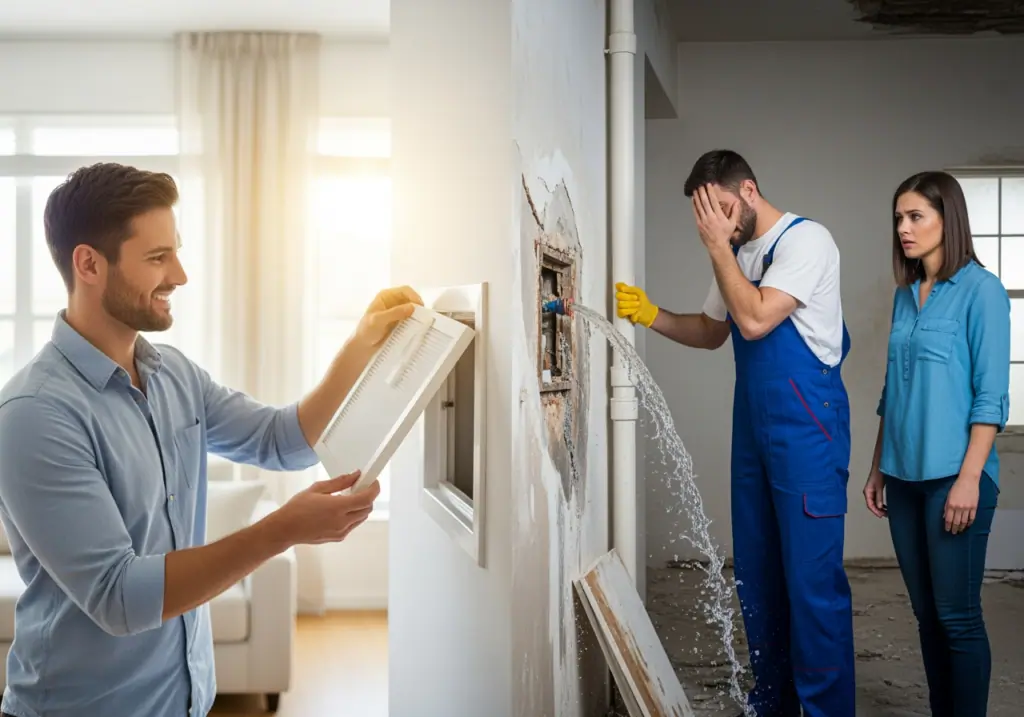
Think of your home as a living entity, constantly exposed to the elements and subject to the wear and tear of daily life. Neglecting routine care is akin to ignoring a minor ache; it might seem insignificant at first, but it can quickly escalate into a debilitating problem. A leaky faucet today could become extensive water damage tomorrow, and a small crack in the foundation could compromise your home’s structural integrity over time.
One of the most compelling reasons to accept a proactive maintenance routine is its direct impact on property value. Statistics show that consistent upkeep can preserve up to 10% of your home’s value. This isn’t just about curb appeal for potential buyers; it’s about preventing the kind of deterioration that can lead to significant depreciation. When you invest in your home’s health, you’re investing in its future marketability and appreciation.
Beyond value, regular maintenance is a powerful tool for cost savings. While it might seem counterintuitive to spend money on maintenance, these small, consistent efforts prevent the need for much larger, emergency repairs. For instance, a dirty HVAC filter might seem minor, but it forces your system to work harder, increasing energy consumption and accelerating wear, leading to premature breakdown. Addressing these small problems now means they won’t become complicated, expensive issues later. Homeowners waste on average $200-$400 of their energy bill annually on drafts and air leaks, a cost easily mitigated with simple sealing tasks.
Furthermore, home maintenance is intrinsically linked to safety. Checking heating systems, testing smoke and carbon monoxide detectors, and ensuring electrical systems are in good repair are not just tasks on a checklist; they are life-saving measures. Fallen tree branches account for $1 billion in home damage annually, highlighting the importance of exterior maintenance for safety. Similarly, neglecting dryer vent cleaning leads to over 29,000 home fires each year. These statistics underscore the critical role maintenance plays in protecting your family and your property from preventable hazards.
A well-maintained home offers peace of mind. It means you’re less likely to face unexpected breakdowns, costly emergency repairs, or compromised safety. It means your home remains a comfortable, efficient, and valuable asset.
Long-Term Cost Savings: Preventative Maintenance vs. Emergency Repairs
Regular home maintenance is a strategic investment that yields significant long-term financial benefits. While the upfront cost of preventative care might seem like an expense, it pales in comparison to the potential costs of emergency repairs. Consider the following:
- HVAC System: Regular filter changes and annual professional tune-ups extend the lifespan of your furnace and air conditioner, delaying costly replacements and reducing energy bills. Dirty filters, for example, shorten the lifespan of your furnace.
- Plumbing: Addressing minor leaks or clogs promptly prevents major water damage, which is a leading cause of home insurance claims. Clogged gutters, if neglected, turn into water damage.
- Roofing: Routine inspections and minor repairs to shingles and flashing prevent extensive water intrusion, which can lead to structural damage and mold growth.
- Exterior: Maintaining paint and caulk prevents wood rot and keeps moisture out, preserving the integrity of your home’s structure. Chipped paint leads to wood rot.
- Energy Efficiency: Sealing drafts and ensuring proper insulation reduces energy waste, directly lowering your utility bills. Homeowners waste on average $200-$400 of their energy bill annually on drafts and air leaks.
A modest investment in preventative inspections today can save you substantial headaches and expenses in the future. It’s about being proactive rather than reactive, ensuring that your home remains a source of comfort and security, not a drain on your finances.
Year-Round HVAC Home Maintenance Tips for Peak Performance
Your home’s heating, ventilation, and air conditioning (HVAC) system is the heart of its comfort. It works tirelessly, often unnoticed, to keep your indoor environment pleasant regardless of the weather outside. However, like any complex machinery, it requires regular attention to perform optimally and efficiently. Neglecting your HVAC system can lead to reduced efficiency, higher energy bills, and premature breakdowns.
One of the simplest yet most impactful maintenance tasks is filter changes. The air filter is your system’s first line of defense against dust, allergens, and pollutants. A clogged filter restricts airflow, forcing your HVAC unit to work harder, which not only increases energy consumption but also puts undue stress on the system’s components. Dirty filters shorten the lifespan of your furnace, making regular replacement a non-negotiable task for longevity and air quality.
Beyond filters, maintaining your HVAC system is crucial for energy efficiency. An inefficient system consumes more power to achieve the desired temperature, directly impacting your utility bills. Regular maintenance, including cleaning coils and checking refrigerant levels, ensures your system operates at its peak, helping you save money. For instance, running a ceiling fan properly in the winter can help you save up to 10% on your heating bill by circulating warm air more effectively.
Air quality is another significant benefit of a well-maintained HVAC system. By regularly replacing filters and ensuring ducts are clean, you reduce the circulation of dust, pet dander, and other airborne irritants, creating a healthier indoor environment for your family.
Finally, professional inspection is indispensable. While many tasks can be handled by homeowners, a certified technician can identify subtle issues, perform complex diagnostics, and ensure all components are functioning safely and efficiently. This expert oversight is key to preventing major malfunctions and extending the life of your system.
The Importance of Seasonal Servicing
Seasonal servicing is paramount to ensuring your HVAC system can handle the demands of extreme temperatures. Each season brings unique challenges, and preparing your system accordingly can prevent unexpected breakdowns and maintain optimal performance.
- Spring AC Prep: As winter fades and warmer weather approaches, it’s time to prepare your air conditioning unit. This involves cleaning the outdoor condenser coils, checking refrigerant levels, and inspecting electrical connections. Ensuring your AC is ready for the summer heat means it will run more efficiently and be less prone to breakdowns when you need it most.
- Fall Furnace Check: Before the cold grip of winter sets in, a thorough furnace inspection is critical. This includes checking the heat exchanger for cracks, cleaning the burner assembly, and verifying the ignition system. A professional can also inspect the flue system for blockages and ensure proper ventilation, which is vital for safety.
- Coil Cleaning: Both indoor (evaporator) and outdoor (condenser) coils collect dirt and debris over time. Clean coils facilitate better heat exchange, improving efficiency and reducing strain on the compressor.
- Thermostat Check: Ensure your thermostat is functioning correctly and accurately reading the room temperature. Consider upgrading to a smart thermostat for improved control and energy savings.
Following professional HVAC home maintenance tips ensures system longevity and consistent comfort throughout the year. These expert recommendations often include detailed checks and adjustments that go beyond what a homeowner can typically perform, providing a comprehensive assessment of your system’s health.
DIY HVAC Home Maintenance Tips
While professional servicing is essential, there are several DIY tasks homeowners can perform to keep their HVAC system running smoothly between visits:
- Changing Air Filters: This is perhaps the easiest and most important task. Check your filters monthly and replace them every 1-3 months, or more frequently if you have pets, allergies, or live in a dusty environment. A clean filter is fundamental to system efficiency and indoor air quality.
- Cleaning Vents: Periodically vacuum or wipe down your supply and return air vents to remove dust and debris. Ensure they are not blocked by furniture, curtains, or rugs, as this can restrict airflow and create uneven heating or cooling.
- Clearing Debris from Outdoor Unit: The outdoor condenser unit for your AC or heat pump can accumulate leaves, grass clippings, and other debris. Regularly clear away any obstructions from around the unit, ensuring at least two feet of clearance on all sides for optimal airflow. You can gently spray the coils with a garden hose to remove surface dirt, but avoid high-pressure washing.
- Checking for Unusual Noises: Pay attention to any strange sounds coming from your HVAC system. Squealing, grinding, or banging noises can indicate a problem with belts, motors, or other components. Addressing these early can prevent more significant damage.
By combining these DIY efforts with professional seasonal servicing, you create a robust maintenance strategy that maximizes your HVAC system’s performance, extends its lifespan, and keeps your home comfortable and energy-efficient.
Don’t Forget the Entryway: Garage Door and System Upkeep
The garage door, often the largest moving part of your home, plays a crucial role in security, insulation, and daily convenience. Yet, it’s frequently overlooked in home maintenance routines. Regular attention to its various components can prevent unexpected failures, improve safety, and extend its operational life.
Key areas to focus on include garage door balance. A properly balanced door should stay put when manually lifted to about halfway open. If it drifts up or down, the springs may need adjustment, a task best left to professionals due to the high tension involved.
Lubrication is another vital step. Moving parts like rollers, hinges, and springs benefit from regular application of a silicone-based lubricant. This reduces friction, wear, and noise, ensuring smooth operation.
Weather stripping along the bottom of the door and around the perimeter helps seal out drafts, moisture, and pests. Inspect it for cracks, tears, or hardening and replace as needed to maintain your garage’s energy efficiency and cleanliness.
Safety sensors, typically located near the bottom of the door tracks, are critical for preventing accidents. These photoelectric eyes detect obstructions in the door’s path and automatically reverse its closing motion. Regular testing ensures they are functioning correctly.
Finally, track alignment is essential. The vertical and horizontal tracks must be perfectly aligned for the door to move smoothly. Any bends or misalignments can cause the door to bind or even derail, leading to serious damage or injury.
Essential Garage Door Safety and Maintenance
Maintaining your garage door isn’t just about functionality; it’s profoundly about safety. The sheer weight and tension of a garage door system mean that malfunctions can pose significant risks.
- Testing Auto-Reverse: This is a crucial safety feature. Place a 2×4 flat on the floor in the path of the closing door. If the door doesn’t immediately reverse upon contact, the force setting needs adjustment. Similarly, test the photoelectric eyes by waving your foot in front of them as the door closes; it should stop and reverse. If either test fails, have a professional inspect the system.
- Inspecting Cables and Springs: These components are under extreme tension and are vital for lifting the heavy door. Frayed cables or rusted, stretched springs are dangerous and require immediate professional attention. Never attempt to repair or adjust these yourself.
- Cleaning Tracks: Keep the tracks free of dirt, debris, and hardened grease. Use a damp cloth to wipe them clean, but avoid applying lubricant to the tracks themselves, as this can interfere with roller movement.
- Tightening Hardware: Over time, vibrations can loosen nuts and bolts. Periodically inspect and tighten all visible hardware, particularly around the rollers and hinges.
For complex issues, it’s safest to seek Expert garage door maintenance. Professionals have the specialized tools, training, and experience to safely diagnose and repair problems, ensuring your garage door operates reliably and securely. They can perform a comprehensive inspection, lubricate all moving parts, and make necessary adjustments to springs and openers, preventing potential hazards.
Weatherproofing Your Garage
A well-weatherproofed garage contributes to your home’s overall energy efficiency and protects its contents from the elements. This is especially important if your garage is attached to your home, as air leaks can impact indoor temperatures and utility bills.
- Inspecting Seals: The rubber or vinyl seal along the bottom of your garage door is known as the bottom seal. Check it for cracks, tears, or hardening. If it’s no longer flexible or has gaps, it’s time for replacement. Also, inspect the seals around the perimeter of the door frame (weatherstripping) for similar signs of wear.
- Replacing Weather Stripping: Worn-out weather stripping allows cold air, moisture, and pests to enter your garage. This can lead to higher heating costs in winter, potential water damage, and unwanted guests. Replacing it is a relatively simple DIY task that can significantly improve your garage’s insulation.
- Insulating the Door: If your garage door is uninsulated, consider adding insulation panels. This can dramatically reduce heat transfer, making your garage more comfortable and improving your home’s energy efficiency, especially if there’s a living space above it.
- Preventing Pests: A well-sealed garage is a deterrent for rodents, insects, and other unwanted critters. By ensuring all gaps and cracks are sealed, you create a less inviting entry point for pests, protecting stored items and maintaining a cleaner environment.
Taking these steps to weatherproof your garage not only improves comfort and saves energy but also prolongs the life of your garage door components by shielding them from harsh weather conditions.
From the Ground Up: Floor and Carpet Care to Prevent Damage
The floors in our homes endure constant foot traffic, spills, and daily wear, yet they are often taken for granted until damage becomes apparent. Regular and appropriate care for your flooring, whether it’s hardwood, tile, or carpet, is essential for maintaining its appearance, extending its lifespan, and preventing costly repairs down the line.
Regular cleaning is the first line of defense. For hard surfaces, this means sweeping or vacuuming frequently to remove abrasive dirt and grit that can scratch finishes. For carpets, consistent vacuuming prevents dirt from settling deep into the fibers, where it can cause premature wear.
Grout and tile require specific attention. Grout, being porous, can absorb stains and harbor mold if not properly sealed and cleaned. Neglecting it can lead to unsightly discoloration and even structural issues if moisture seeps through. Similarly, hardwood floors need protection from moisture and scratches to maintain their lustrous finish.
Carpet longevity is heavily dependent on routine care. Beyond vacuuming, addressing spills immediately and occasional deep cleaning can prevent permanent stains and matting, keeping your carpets looking fresh and extending their life.
Proactive floor care is about preventing damage. Small scratches on hardwood can deepen, unsealed grout can become a breeding ground for mold, and neglected carpet stains can become permanent. By understanding the specific needs of each flooring type and committing to a consistent maintenance schedule, you protect your investment and ensure your home’s interior remains inviting and well-preserved.
Maintaining Hard Surfaces and Grout
Hard surfaces like tile, stone, and hardwood are durable, but they still require specific care to retain their beauty and integrity.
- Grout Sealing: Grout is porous and susceptible to staining and moisture penetration. After installation, and typically every 1-2 years, apply a high-quality grout sealer. This creates a protective barrier that repels liquids and makes cleaning easier, preventing mold and mildew growth.
- Recaulking Tubs and Showers: The caulk around your bathtub, shower, and sink is crucial for preventing water from seeping into walls and subfloors, which can lead to significant water damage and mold. Inspect caulk lines annually for cracks, peeling, or discoloration. You should plan on recaulking about every 5 years. If you find any issues, remove the old caulk completely and apply a fresh bead of mildew-resistant caulk.
- Cleaning Spills Promptly: For any hard surface, immediate cleanup of spills is key. Acidic liquids like juice or wine can etch stone or hardwood finishes if left to sit. Water, if allowed to pool, can warp hardwood or penetrate unsealed grout.
- Using Appropriate Cleaners: Always use cleaners specifically designed for your type of flooring. Harsh chemicals or abrasive scrubbers can damage finishes, strip sealants, or discolor grout. For example, a mild, pH-neutral cleaner is often best for most tile and stone.
- Moldy Grout Prevention: Good ventilation in bathrooms is paramount to prevent moldy grout. Use exhaust fans during and after showers, and ensure surfaces are completely dry. If mold does appear, a bleach solution can be used as a quick fix, but addressing the underlying moisture issue is essential.
Maintaining these hard surfaces not only keeps them looking pristine but also protects the underlying structures of your home from water damage and decay.
Extending the Life of Your Carpets
Carpets add warmth, comfort, and sound absorption to our homes, but they are also magnets for dirt, dust, and allergens. Extending their life requires a consistent and multi-faceted approach to care.
- Regular Vacuuming: This is the most fundamental and frequent task. Vacuum at least once a week, and more often in high-traffic areas or homes with pets. Use a vacuum cleaner with strong suction and a rotating brush bar (if suitable for your carpet type) to lift dirt from deep within the fibers. Regular vacuuming prevents abrasive particles from cutting and dulling carpet fibers, which is a primary cause of premature wear.
- Spot Treatment: Accidents happen. When spills occur, address them immediately. Blot, don’t rub, with a clean white cloth, working from the outside of the spill inward to prevent spreading. Use a carpet-safe spot cleaner, following the product instructions carefully. Prompt action can prevent stains from setting permanently.
- Professional Deep Cleaning: While regular vacuuming handles surface dirt, carpets accumulate embedded soil, allergens, and odors over time that a home vacuum cannot reach. Schedule professional deep cleaning (hot water extraction or steam cleaning) every 12-18 months. This process thoroughly flushes out deep-seated grime, revitalizes carpet fibers, and improves indoor air quality. Following expert Royal Carpet maintenance tips can remove deep-seated dirt and allergens, significantly extending the life and appearance of your carpets. Professionals often use specialized equipment and solutions that provide a deeper clean than DIY methods.
By adhering to these practices, you not only keep your carpets looking their best but also maintain a healthier indoor environment and protect your investment for years to come.
Seasonal Checklist: Key Home Maintenance Tips for Fall and Spring
The changing seasons bring with them a natural rhythm for home maintenance. Fall and spring are particularly crucial times for homeowners to perform a comprehensive check-up and prepare their property for the months ahead. These transitional periods offer moderate weather, making outdoor tasks more manageable, and provide an opportunity to address any lingering issues from the previous season while bracing for the next.
Having a dedicated set of essential tools for home maintenance on hand will make these tasks much easier. This might include a sturdy ladder, work gloves, a caulk gun, a good screwdriver set, a basic wrench set, a utility knife, a garden hose, a leaf blower or rake, and safety glasses. Being prepared with the right equipment saves time and effort.
During these seasonal transitions, several key areas demand attention:
- Roof Inspection: Your roof is your home’s primary defense against the elements. Fall and spring are ideal times to inspect for damaged, missing, or curling shingles, as well as any signs of wear or leaks around flashing and vents.
- Gutter Cleaning: Clogged gutters are a leading cause of water damage. Fall requires clearing leaves and debris, while spring demands removal of winter’s accumulation to ensure proper drainage away from the foundation.
- Foundation Check: Inspecting your home’s foundation for cracks, shifting, or signs of moisture is vital. Addressing minor issues early can prevent major structural problems.
- Window and Door Seals: These are critical for energy efficiency. Check weather stripping and caulk for deterioration, replacing them to prevent drafts and moisture intrusion.
- Outdoor Faucets: Preparing outdoor faucets for freezing temperatures in the fall and checking them for leaks in the spring are essential plumbing tasks.
By dedicating time to these seasonal checklists, you proactively address potential problems, improve your home’s resilience, and ensure it remains a comfortable and safe haven year-round.
Preparing for Winter: A Fall Checklist
As the vibrant colors of autumn give way to the chill of winter, a thorough fall home maintenance routine is essential to protect your property from harsh weather and ensure a cozy, efficient living space.
- Cleaning Gutters: This is arguably the most critical fall task. Remove all leaves, twigs, and debris from gutters and downspouts. Clogged gutters can lead to ice dams, water overflowing into your foundation, and damaged fascia boards. Ensure downspouts direct water at least several feet away from the foundation.
- Inspecting the Roof: Before snow and ice cover your roof, give it a good visual inspection. Look for loose, cracked, or missing shingles, especially around chimneys and vents. Check for any signs of wear or damage that could lead to leaks. Consider having a professional do this if you’re uncomfortable on a ladder.
- Winterizing Sprinklers and Faucets: Drain all outdoor sprinkler systems and turn off the water supply to exterior faucets. Disconnect and store garden hoses. If you live in an area with freezing temperatures, consider insulating outdoor faucets to prevent pipes from bursting.
- Checking Safety Detectors: Fall is an excellent time to test all smoke and carbon monoxide detectors. Replace batteries if needed, and ensure all units are functioning correctly. This is a crucial step for your family’s safety during the heating season.
- Sealing Drafts to Save on Energy Bills: Inspect windows and doors for drafts. Apply new weather stripping or caulk where needed to seal gaps and cracks. This simple step can significantly improve your home’s energy efficiency, keeping warm air in and cold air out, and directly reducing your heating costs.
- Heating System Check: Schedule a professional inspection and tune-up for your furnace or heating system. This ensures it’s operating safely and efficiently before the coldest months arrive. Change your HVAC filters as well.
- Chimney Inspection and Cleaning: If you have a fireplace, have your chimney professionally inspected and cleaned to remove creosote buildup, which is a major fire hazard.
- Trim Trees: Cut back any tree branches that are close to your roof or power lines to prevent damage from winter storms.
By completing these tasks, you’ll safeguard your home against winter’s challenges and enjoy a warmer, safer, and more energy-efficient season.
Waking Up from Winter: A Spring Checklist
After the long winter months, spring offers the perfect opportunity to assess your home for damage, perform essential cleaning, and prepare for the warmer season ahead.
- Exterior Power Washing: Give your home’s exterior a fresh start by power washing siding, decks, and walkways. This removes accumulated dirt, grime, mold, and mildew, instantly boosting curb appeal. Use appropriate pressure settings for different surfaces to avoid damage.
- Checking for Winter Damage: Take a thorough walk around your property. Look for any signs of damage caused by winter weather, such as cracked foundations, loose siding, damaged gutters, or compromised roofing. Pay close attention to areas where ice dams might have formed.
- Repairing Screens: Inspect window and door screens for tears, holes, or bent frames. Repair or replace damaged screens to keep insects out and allow fresh air to circulate freely.
- Inspecting Driveway and Walkways for Cracks: Freezing and thawing cycles can cause cracks and heaving in concrete and asphalt. Inspect your driveway, sidewalks, and patios for any new or widening cracks. Seal small cracks to prevent water intrusion and further damage. For larger issues, consider professional repair.
- Siding Inspection: Examine your home’s siding for any loose panels, cracks, or signs of rot or insect damage. Address these issues promptly to prevent moisture from penetrating your home’s structure.
- Gutter Cleaning (Again): While often a fall task, gutters can accumulate debris over winter. Give them another clean to ensure they are free-flowing for spring rains.
- HVAC System Tune-Up: Schedule a professional tune-up for your air conditioning system to ensure it’s ready for summer. Change filters and clean the outdoor unit.
- Landscape Cleanup: Rake up any remaining leaves and debris, prune dead branches from shrubs and trees, and prepare garden beds for planting.
A comprehensive spring cleaning and inspection will help your home recover from winter and be ready to enjoy the warmer months without unexpected issues.
Frequently Asked Questions About Home Maintenance
Home maintenance can sometimes feel overwhelming, especially for new homeowners. To help clarify common concerns, we’ve compiled answers to some of the most frequently asked questions about keeping your home in top shape.
How Often Should Major Home Systems Be Inspected?
The frequency of inspection for major home systems can vary, but a general guideline helps ensure longevity and prevent costly surprises.
- HVAC Systems: We recommend a professional inspection and tune-up twice a year – once in the spring for your air conditioning unit and once in the fall for your heating system. Filters, however, should be checked monthly and replaced every 1-3 months depending on usage and household factors (pets, allergies).
- Plumbing: A general visual inspection of exposed pipes, faucets, and toilets should be part of your monthly routine, looking for leaks or signs of corrosion. For a more thorough check, consider a professional plumbing inspection every 1-2 years, especially if your home is older. Hot water heaters should be flushed annually to remove sediment.
- Roof: A professional roof inspection is advisable every 1-3 years, or after any major storm. Homeowners should visually inspect their roof from the ground twice a year (spring and fall) for obvious damage like missing shingles or debris.
- Electrical System: While a full professional electrical inspection isn’t typically an annual requirement for newer homes, older homes (25+ years) should have one every 5-10 years. Homeowners should regularly check outlets, cords, and circuit breakers for signs of wear or malfunction. Test GFCI outlets monthly.
Annual vs. Bi-Annual Checks: Many tasks, like gutter cleaning, smoke detector testing, and exterior inspections, are best done bi-annually (spring and fall). Others, like flushing your water heater or servicing major appliances, are typically annual. Consistent attention, even if it’s a quick visual check, is key.
What Are the Most Common and Costly Home Maintenance Issues?
Ignoring small issues can lead to significant problems. Here are some of the most common and often costly home maintenance issues homeowners face:
- Water Damage: This is a leading cause of home insurance claims. It can stem from various sources: leaky roofs, burst pipes, overflowing gutters, faulty appliances, or foundation cracks. The cost of repair can quickly escalate due to damage to drywall, flooring, insulation, and the potential for mold growth.
- Foundation Problems: Cracks, settling, or shifting in the foundation can be extremely expensive to repair and can compromise the structural integrity of your entire home. Signs include cracks in walls (interior and exterior), sticking doors/windows, and uneven floors. Large cracks in your foundation should be inspected and addressed by a structural engineer.
- HVAC Failure: A complete breakdown of your heating or cooling system can be costly, especially if it requires a full replacement. Neglecting routine maintenance, like filter changes and professional tune-ups, is a common culprit.
- Roof Leaks: Damaged or aging roofs can lead to leaks, causing water damage to the attic, ceilings, and walls. Repairing or replacing a roof is a significant expense, making preventative inspections crucial.
- Pest Infestations: Termites, rodents, and other pests can cause extensive damage to wood structures, wiring, and insulation. Extermination and repair costs can be substantial, emphasizing the importance of sealing entry points and regular inspections.
Proactive maintenance can often prevent these issues or allow for early detection, significantly reducing repair costs and stress.
What Are the Most Crucial Tasks Before Winter?
Preparing your home for winter is paramount to protecting it from freezing temperatures, heavy snow, and strong winds. The following tasks are among the most crucial:
- Heating System Check: Schedule a professional tune-up for your furnace or boiler. This ensures it’s running efficiently, safely, and is less likely to break down when you need it most. Change your HVAC filters.
- Gutter Cleaning: Clear all leaves and debris from gutters and downspouts. Clogged gutters can lead to ice dams, which can cause water to back up under your roof and into your home, leading to significant water damage.
- Pipe Insulation: Insulate any exposed pipes in unheated areas like basements, crawl spaces, or garages. Drain and turn off outdoor faucets to prevent them from freezing and bursting.
- Sealing Air Leaks: Inspect windows, doors, and other openings for drafts. Apply caulk or weather stripping to seal any gaps. This will keep warm air inside, reducing your heating bills and making your home more comfortable. Homeowners waste on average $200-$400 of their energy bill annually on drafts and air leaks.
- Chimney Inspection: If you have a fireplace or wood-burning stove, have your chimney professionally inspected and cleaned. This removes creosote buildup, which is highly flammable and a common cause of chimney fires.
- Test Safety Detectors: Ensure smoke and carbon monoxide detectors are functioning correctly and replace batteries.
These preventative measures will help you avoid costly repairs, maintain energy efficiency, and ensure your home is safe and warm throughout the winter months.
Conclusion: Protecting Your Investment with Proactive Care
The journey of homeownership is a rewarding one, filled with comfort, memories, and a sense of belonging. However, it also comes with the ongoing responsibility of nurturing your investment. As we’ve explored, home maintenance is not merely a series of chores; it’s a strategic approach to safeguarding your property, ensuring your family’s well-being, and securing your financial future.
Embracing an “ounce of prevention” truly goes a long way. By proactively addressing small issues, performing seasonal checks, and understanding the needs of your home’s major systems, you can avert significant damage and avoid the stress and expense of emergency repairs. This consistent effort translates into substantial long-term benefits, including improved property value, reduced energy costs, and the extended lifespan of appliances and structural components.
Regular home maintenance provides invaluable peace of mind. Knowing that your HVAC system is running efficiently, your garage door is operating safely, and your floors are well-protected allows you to fully enjoy your home without constant worry.
We encourage you to create a personalized maintenance schedule custom to your home’s specific needs and local climate. Whether it’s a monthly checklist, seasonal tasks, or annual professional inspections, consistency is key. By making home maintenance a regular part of your routine, you’re not just fixing things; you’re actively protecting your most valuable asset and ensuring it remains a comfortable, safe, and beautiful place for years to come.
Apart from that, if you want to know more about Boost Your Curb Appeal: Tips for Exterior Painting, Roofing, and Window Treatments then visit our Home Appliances category.
For more tips on reducing moving expenses with removalists, check out 6 Methods for Reducing Moving Expenses with Removalists.
For more tips on reducing moving expenses with removalists, check out 6 Methods for Reducing Moving Expenses with Removalists.
For more tips on reducing moving expenses with removalists, check out 6 Methods for Reducing Moving Expenses with Removalists.
For more tips on reducing moving expenses with removalists, check out 6 Methods for Reducing Moving Expenses with Removalists.
For more details on what to look for in a new air conditioner, check out What to Look for in a New Air Conditioner.