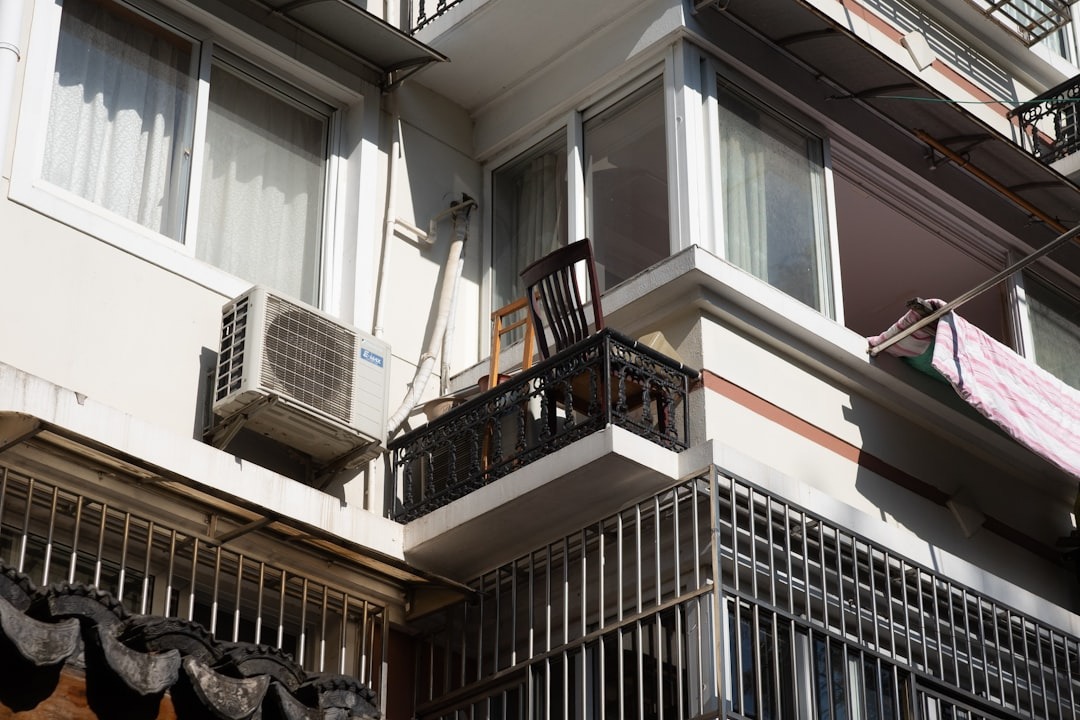
Core Component 1: Mastering Your HVAC System
At the heart of any comfortable home lies a well-functioning HVAC system. This intricate network is responsible for more than just cooling or heating; it plays a vital role in maintaining indoor air quality and overall home health. Understanding its core functions and the benefits of proactive care is key to ensuring year-round comfort and efficiency.
Air conditioning, for instance, isn’t solely about lowering temperature. Modern AC units actively dehumidify the air, making your home feel cooler and more comfortable even at higher thermostat settings. They also circulate air, helping to distribute conditioned air evenly throughout your living spaces. Similarly, heating systems, whether furnaces or heat pumps, are crucial for warding off the chill during colder months. Beyond temperature control, proper ventilation is paramount. It ensures a continuous exchange of stale indoor air with fresh outdoor air, reducing pollutants and allergens and significantly improving indoor air quality. Annual professional service for your entire HVAC system is not just a recommendation; it’s an investment that pays dividends in comfort, efficiency, and longevity. Regular tune-ups can catch minor issues before they escalate into costly breakdowns, optimize energy consumption, and extend the lifespan of your equipment.
Telltale Signs Your Air Conditioner Needs Attention
Recognizing the early warning signs of an ailing air conditioner can save you from unexpected discomfort and expensive emergency repairs. We encourage homeowners to be observant and proactive.
One of the most common indicators is weak airflow. If you notice that air isn’t blowing out of your vents with the usual force, or if some rooms feel significantly warmer than others, it could point to a clogged air filter, issues with your ductwork, or even a failing blower motor. These problems hinder your system’s ability to distribute conditioned air effectively.
Unusual noises emanating from your AC unit are another red flag. While some operational sounds are normal, rattling, buzzing, hissing, or grinding noises are not. Rattling might suggest loose parts, while buzzing could indicate electrical issues. Hissing often points to refrigerant leaks, and grinding sounds can signal problems with motor bearings. Ignoring these auditory cues can lead to more severe damage.
Water leaks or excessive moisture around your indoor or outdoor unit should never be overlooked. A common cause is a clogged condensate drain line, which prevents the moisture removed from the air from draining properly. This can lead to water pooling, potential water damage, and even mold growth. Frozen evaporator coils, another cause of leaks, often result from restricted airflow or low refrigerant levels.
Foul odors wafting from your vents are not only unpleasant but can also indicate serious issues. A musty smell often points to mold or mildew growth within the ducts or evaporator coil. A burning or electrical odor, on the other hand, could signify an overheating motor or damaged wiring, posing a fire hazard.
Inconsistent temperatures throughout your home, or your AC unit short-cycling (turning on and off frequently), are clear signs of inefficiency. This could be due to an improperly sized unit, a malfunctioning thermostat, or a system struggling to maintain the desired temperature, leading to discomfort and increased energy usage.
Finally, a noticeable rise in your energy bills without a corresponding increase in usage is a strong indicator that your air conditioner is working harder than it should be. An inefficient system consumes more power to achieve the same level of cooling, signaling a need for professional inspection and potential repair.
Extending Your AC’s Lifespan
While professional maintenance is indispensable, there are several simple yet effective DIY tips you can follow to keep your air conditioner running smoothly and potentially extend its operational life.
Here are some actionable maintenance tips:
- Change air filters regularly: This is perhaps the easiest and most impactful task you can perform. We recommend replacing disposable filters every one to three months, or more frequently if you have pets, allergies, or live in a dusty environment. A clean filter ensures optimal airflow, improves indoor air quality, and prevents your system from overworking.
- Clear debris from the outdoor unit: Your outdoor condenser unit needs clear space to function efficiently. Regularly remove leaves, grass clippings, dirt, and other obstructions from around the unit. Ensure there’s at least two feet of clearance on all sides to allow for proper airflow.
- Check for blockages: Periodically inspect the condensate drain line for clogs. If you have a visible drain line, you can gently flush it with a mixture of vinegar and water to prevent algae and mold buildup. Also, ensure that all indoor vents are open and unobstructed by furniture or drapes to facilitate proper air circulation.
While these DIY steps are beneficial, they complement, rather than replace, the expertise of a professional. For comprehensive diagnostics, complex repairs, and preventative care that digs deeper into your system’s health, we always recommend consulting a qualified aircon specialist. For instance, a trusted Mackey aircon specialist can provide thorough inspections and specialized services that ensure your system’s optimal performance.
Professional tune-ups, ideally performed once a year, involve cleaning coils, checking refrigerant levels, inspecting electrical components, and lubricating moving parts. These checks are vital for maintaining efficiency and preventing unexpected breakdowns. With diligent maintenance, most modern air conditioning units can last between 15 to 20 years. However, neglect can significantly shorten this lifespan, leading to premature replacement and increased costs.
Core Component 2: Ensuring Electrical and Plumbing Integrity
Beyond the comfort provided by your HVAC system, the safety and functionality of your home heavily rely on the integrity of its electrical and plumbing systems. These often-overlooked components are the backbone of modern living, and their proper maintenance is crucial for preventing hazards and ensuring a smoothly running household.
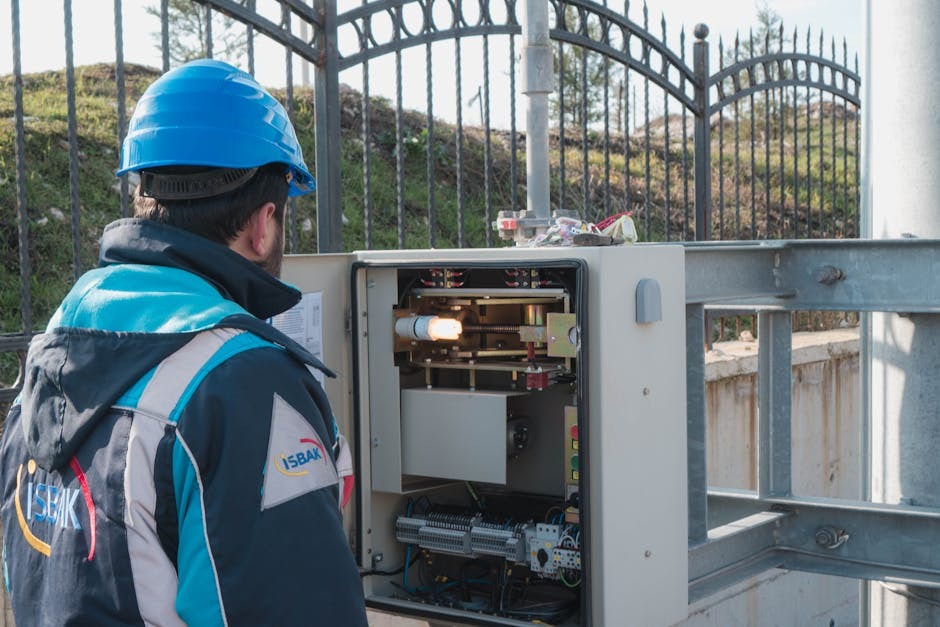
Electrical safety is paramount. Faulty wiring, overloaded circuits, or outdated panels can pose serious fire risks and lead to power outages. Similarly, plumbing health affects everything from water quality to structural integrity. Undetected leaks can cause significant water damage, foster mold growth, and compromise your home’s foundation.
We advocate for installing whole-home surge protection. This vital addition safeguards all your valuable electronics and appliances from sudden voltage spikes, which can occur during lightning storms or due to utility grid fluctuations. Investing in this protection can prevent costly damage to everything from your refrigerator to your smart home devices.
For areas prone to power outages, a backup generator offers invaluable peace of mind. Whether it’s a portable unit for essential appliances or a whole-home standby generator, having a reliable power source ensures your family remains comfortable and safe, and critical systems like your HVAC continue to operate during emergencies.
Finally, leak detection is a critical aspect of plumbing maintenance. Early detection of leaks, whether from pipes, water heaters, or fixtures, can prevent extensive water damage and mold issues. We recommend regularly checking for signs of moisture, unusual water meter readings, or unexplained damp spots, and calling a professional at the first hint of a problem.
Proactive Electrical Safety for Your Home
Your home’s electrical system is complex and requires careful attention to ensure safety and efficiency. Proactive measures can prevent hazards and keep your home powered reliably.
Regular electrical panel checks by a certified electrician are essential. Over time, components can wear out, and your panel might become insufficient for your home’s increasing electrical demands, especially with more modern appliances and electronics. An electrician can assess its condition, identify potential overloads, and recommend necessary upgrades or repairs.
The importance of GFCI (Ground Fault Circuit Interrupter) outlets cannot be overstated, especially in areas where water is present, such as bathrooms, kitchens, laundry rooms, and outdoor spaces. GFCI outlets quickly detect ground faults and shut off power, preventing electrical shocks. We advise ensuring all appropriate areas are equipped with these life-saving devices.
Be aware of the signs that indicate a need for home rewiring. If your home is older and still has original wiring, or if you frequently experience flickering lights, tripped breakers, or outlets that feel warm to the touch, it might be time for a professional assessment. Old, deteriorating wiring is a significant fire hazard and should be addressed promptly.
With the rise of smart home integration, our electrical systems are handling more devices than ever before. Ensuring your electrical infrastructure can support these technologies efficiently and safely is crucial. This includes proper wiring for smart thermostats, lighting systems, and security devices.
Finally, scheduling professional safety inspections periodically provides an invaluable layer of protection. An electrician can identify hidden dangers, ensure compliance with current electrical codes, and offer recommendations for improving your home’s electrical safety and efficiency, giving you peace of mind.
Key Plumbing Maintenance Tasks
Maintaining your home’s plumbing system is crucial for preventing costly damage, ensuring clean water, and extending the life of your fixtures and appliances. We recommend several key tasks to keep your plumbing in top shape.
One critical task is water heater flushing. Sediment can accumulate at the bottom of your water heater tank over time, reducing efficiency and shortening its lifespan. Flushing the tank annually removes this buildup, ensuring your unit operates effectively and lasts longer.
Regular drain cleaning is another must. While minor clogs can often be addressed with DIY methods, professional drain cleaning can clear stubborn blockages, remove buildup that causes recurring clogs, and eliminate foul odors. Preventing clogs is always better than reacting to them.
For homes with basements or crawl spaces, sump pump testing is vital, especially before rainy seasons. A malfunctioning sump pump can lead to devastating basement flooding. We recommend testing it periodically by pouring water into the pit to ensure it activates correctly and pumps water away from your home.
Addressing water quality solutions can significantly impact your health and the longevity of your plumbing. Installing water filters can remove contaminants, while water softeners can tackle hard water issues, preventing mineral buildup in pipes and appliances.
Finally, preventing pipe bursts is essential, particularly in colder climates. Insulating exposed pipes, especially those in unheated areas like garages or crawl spaces, and allowing faucets to drip slightly during freezing temperatures can prevent water from freezing and pipes from bursting, saving you from extensive water damage.
The Unified Advantage of Comprehensive Home Services
Managing a home often feels like a juggling act, especially when dealing with multiple contractors for different services. Imagine the ease and efficiency of having a single, trusted partner who understands the intricate workings of your entire home. This is the unified advantage of comprehensive home services.
When you choose a provider offering a full spectrum of home services—HVAC, electrical, and plumbing—you benefit from a single point of contact. No more sifting through different phone numbers, scheduling apps, or company websites. One call, one team, for all your essential home needs. This simplicity reduces stress and saves valuable time.
This approach also allows for streamlined scheduling. Instead of coordinating separate appointments that might conflict, you can often arrange for multiple services to be performed during a single, convenient visit or within a coordinated timeframe. This efficiency is particularly valuable for preventative maintenance or larger projects that involve interconnected systems.
Perhaps most importantly, a comprehensive provider offers consistent service quality. When the same team or company handles all your home’s vital systems, they develop a deep familiarity with your property’s unique characteristics and history. This leads to a higher standard of care, as technicians understand how different systems interact and can anticipate potential issues based on past service.
This integrated approach fosters integrated problem-solving. If your AC isn’t cooling properly and the electrician finds an issue with your electrical panel, a comprehensive team can address both without delay or miscommunication between separate companies. They see your home as a cohesive unit, not a collection of isolated systems, leading to more effective and lasting solutions.
Key Benefits of a Single Provider for comprehensive home services
Opting for a single provider for your HVAC, electrical, and plumbing needs offers a multitude of advantages that improve your homeownership experience.
Firstly, the convenience and time-saving are unparalleled. Instead of spending hours researching, contacting, and vetting different specialists, you establish a relationship with one company. This streamlines everything from routine maintenance scheduling to emergency repairs, freeing up your valuable time and reducing administrative burden.
Secondly, you foster building a trusted relationship. Over time, a single provider becomes intimately familiar with your home’s specific layout, system configurations, and past service history. This personalized knowledge allows them to offer more custom advice, anticipate future needs, and provide solutions that are genuinely in your best interest. This ongoing relationship builds a level of trust and confidence that is difficult to achieve with rotating contractors.
Thirdly, these providers possess holistic system knowledge. Their technicians are trained to understand the interdependencies between your HVAC, electrical, and plumbing systems. This means they can identify how an electrical issue might impact your AC, or how a plumbing problem could affect your water heater’s electrical components. This comprehensive understanding leads to more accurate diagnostics and more effective, long-term solutions, preventing issues from being misdiagnosed or overlooked due to a narrow specialization.
Finally, for larger projects or home renovations, a single provider offers simplified project management. Instead of coordinating between an HVAC installer, an electrician, and a plumber, you deal with one project manager or team. This reduces communication breakdowns, ensures seamless integration of different components, and keeps your project on schedule and within budget, minimizing stress and maximizing efficiency.
How to Choose a Provider for comprehensive home services
Selecting the right comprehensive home services provider is a crucial decision for any homeowner. We recommend a thorough vetting process to ensure you partner with a reputable and reliable company. Here are key questions and considerations:
1. Licensing and insurance: Always verify that the company and its technicians hold all necessary state and local licenses for HVAC, electrical, and plumbing work. This confirms their qualifications and adherence to industry standards. Equally important is ensuring they carry adequate liability insurance and workers’ compensation. This protects you from financial responsibility in case of accidents or damage on your property. Don’t hesitate to ask for proof of both.
2. Years of experience: Longevity in the business often correlates with reliability and expertise. A company with many years of experience has likely encountered and resolved a wide array of issues, honing their skills and knowledge. Inquire about their track record and how long they’ve been serving the local community.
3. Customer reviews and testimonials: Customer feedback is a powerful indicator of a company’s reputation. Look for reviews on independent platforms like Google, Yelp, and the Better Business Bureau. Pay attention to recurring themes regarding professionalism, punctuality, quality of work, and customer service. Testimonials on their website can also offer insights, but third-party reviews often provide a more unbiased perspective.
4. Range of services offered: Confirm that the provider truly offers comprehensive services that cover all your potential needs – from routine AC maintenance and complex electrical wiring to plumbing repairs and water heater installations. A broad service offering ensures that you won’t have to seek out different specialists for various issues, reinforcing the benefits of a single provider. Ask for a detailed list of their services to ensure they align with your home’s requirements.
By diligently asking these questions and conducting your research, you can confidently choose a comprehensive home services provider that will be a trusted partner in maintaining your home’s comfort, safety, and efficiency for years to come.
Frequently Asked Questions about Home Maintenance
We often encounter common questions from homeowners regarding the care of their essential home systems. Here are some of the most frequent inquiries and our expert advice.
We strongly recommend having your HVAC system professionally serviced at least once a year. Ideally, schedule two tune-ups annually: one in the spring for your air conditioning unit and another in the fall for your heating system. This proactive approach offers numerous benefits. Regular maintenance maximizes your system’s efficiency, helping to keep energy bills in check. It also prevents unexpected breakdowns, especially during peak seasons when you rely on your system the most. Furthermore, annual servicing helps to extend the overall lifespan of your HVAC equipment, protecting your investment.
While professional servicing is crucial, there are several simple maintenance tasks you can perform to keep your home’s systems running smoothly:
Regularly replace air filters: For your HVAC system, this is a top priority. Depending on your filter type and household conditions (pets, allergies, dust), aim to replace them every one to three months. This improves air quality and system efficiency.
Keep outdoor HVAC units clear of leaves and debris: Ensure there’s at least two feet of clearance around your outdoor condenser unit to allow for proper airflow. Remove any accumulated leaves, grass clippings, or other obstructions.
Clean drain lines: For your AC unit, periodically check and clear the condensate drain line to prevent clogs and water leaks. A simple flush with a vinegar solution can often prevent buildup.
Test smoke and carbon monoxide detectors: Regularly test these critical safety devices to ensure they are functioning correctly. Replace batteries as recommended by the manufacturer, typically once a year.
Deciding whether to repair or replace an air conditioner can be a tough call, but several factors can guide your decision:
Unit is over 15 years old: Most modern air conditioning units have a lifespan of 15 to 20 years. If your unit is approaching or has exceeded this age, replacement often makes more financial sense than investing in costly repairs.
Frequent and costly repairs: If you find yourself calling for repairs every season, or if a single repair bill is more than 50% of the cost of a new unit, it’s usually more economical to replace the system.
Declining energy efficiency: Older AC units have lower Seasonal Energy Efficiency Ratio (SEER) ratings compared to newer, more efficient models. If your energy bills are consistently high, a new, energy-efficient unit could offer significant long-term savings.
Uses outdated refrigerant: If your AC unit still uses R-22 refrigerant, which is being phased out due to environmental concerns, repairs involving refrigerant leaks can be very expensive and eventually impossible as supplies dwindle. Upgrading to a system that uses newer, environmentally friendly refrigerants is a wise choice.
Apart from that, if you are interested to know about Cozy DIY Home Upgrades That Add Style and Warmth then visit our Home category.