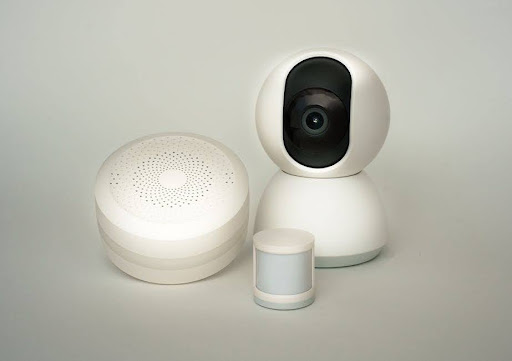
Engineering Principles for Home Systems Reliability
Our homes are more than just buildings; they’re complex ecosystems of interconnected systems. From smart devices to essential HVAC services, we rely on these systems daily for comfort, safety, and convenience. But what happens when they fail? Unreliable home systems can cause frustration, discomfort, and even safety concerns. Ensuring home systems reliability, especially for critical functions like heating and cooling in places like Minneapolis, MN, is vital. This guide will explore common challenges, smart strategies, and best practices to build a dependable home.
At its core, reliability engineering is a discipline focused on ensuring that a system performs its intended function adequately for a specified period within a defined environment without failure. For home systems, this means everything from your furnace consistently heating your home to your smart lights always responding to commands. We approach home system reliability by borrowing fundamental principles from this engineering field, including redundancy, failure mode analysis (FMEA), and physics-of-failure.
Redundancy involves designing systems with alternative paths to success, so if one component fails, another can take over. Failure mode analysis systematically identifies potential failure points, their causes, and their effects, allowing us to address them proactively. Physics-of-failure, on the other hand, delves into the actual mechanisms by which components degrade and fail, helping us understand and predict their lifespan.
A key factor influencing reliability is the array of life-cycle stresses a system endures. These include thermal loads (heat and cold), mechanical wear (vibration, friction), and environmental factors (humidity, dust, chemical exposure). Understanding these stresses is crucial for designing and maintaining systems that last. For instance, a furnace in a region with extreme winters, such as those that demand robust performance from Reliable Wayzata furnace systems, will face different thermal and mechanical stresses than one in a milder climate. Characterizing these stresses allows us to select appropriate materials, design robust components, and implement effective maintenance strategies.
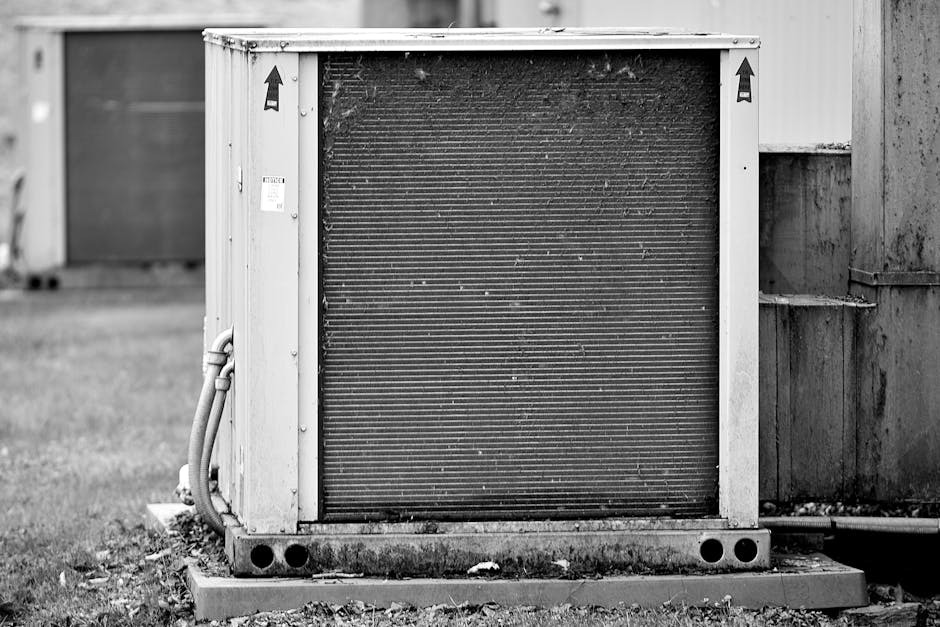
Mitigating Life-Cycle Stresses in Home Systems Reliability
To combat component degradation and extend the operational life of home systems, we focus on several strategies. Predictive maintenance, for example, uses data and monitoring to anticipate failures before they occur, allowing for timely interventions. This is a shift from reactive repairs to proactive care. Accelerated life testing helps manufacturers and engineers simulate years of use in a shorter timeframe, identifying weaknesses and improving designs before products reach your home.
Environmental stress screening involves exposing components to various conditions (e.g., temperature cycling, humidity) to weed out weak links in the manufacturing process. Furthermore, understanding material fatigue and implementing in-situ monitoring—observing system performance in its actual operating environment—provides invaluable data for continuous improvement. By applying these methods, we can better understand how thermal, mechanical, and environmental factors contribute to wear and tear, and develop effective mitigation strategies.
Applying Redundancy to Critical Infrastructure
Redundancy is a powerful concept in reliability engineering, especially for critical home functions. It ensures that even if one part of a system fails, the overall system can continue to operate. This can involve providing multiple “success paths” for a function. For example, a smart thermostat might have a local schedule stored on the device, acting as a backup if its connection to the internet or a central hub is lost.
Another form of redundancy is using dissimilar designs, where backup systems operate on different principles or technologies. This prevents a single point of failure from affecting both primary and backup systems. Fault tolerance, a broader concept, means a system can continue operating correctly even when faults occur. This might involve automatic fail-safes, backup power supplies (like a whole-home generator for essential circuits), or parallel systems where multiple components perform the same function, and if one fails, the others pick up the slack seamlessly. These strategies are vital for ensuring continuous operation, particularly for systems like heating and cooling that are essential for comfort and safety.
Building Resilient Smart Home Architectures
Smart home systems, while offering immense convenience, often introduce new reliability challenges. Issues like intermittent Zigbee device communication, Wi-Fi dead zones, and single points of failure (e.g., a central hub like Home Assistant going down) can quickly turn convenience into frustration. When the central brain of your smart home experiences an update, a restart, or a network hiccup, critical automations can cease to function, impacting daily routines.
To build truly resilient smart home setups, we advocate for architectures that minimize reliance on a single central hub. This involves leveraging local device-to-device communication, such as Zigbee bindings or ESPHome controllers. Zigbee bindings, when supported by devices, allow them to communicate directly with each other without routing commands through a central coordinator. Similarly, platforms like ESPHome enable you to program logic directly onto individual devices, allowing them to operate autonomously. This “edge computing” approach ensures that essential automations, like a thermostat controlling a heater, can continue even if your internet is down or your main smart home hub is offline. It’s about empowering devices to act independently when necessary, creating a more robust and responsive system.
Local Fallback Strategies for Smart Home Systems Reliability
Implementing local fallback strategies is paramount for smart home reliability. One effective method involves using “bang-bang controllers” directly on devices. For instance, an ESPHome-enabled smart plug can be programmed to turn a water heater on or off based on temperature readings from another ESPHome temperature probe, operating entirely independently of a central hub. This creates direct sensor-actuator links that maintain essential functionality.
When comparing protocols like Zigbee and Wi-Fi/ESPHome for reliability, each has its strengths. Zigbee creates a mesh network, where devices can relay signals to extend coverage, which is excellent for large homes or those with many devices. However, as noted, Zigbee bindings for direct device communication can be limited, and not all devices or functions (like complex thermostat controls) may fully support them. Wi-Fi/ESPHome devices, while relying on your existing Wi-Fi network (which can have coverage issues), offer unparalleled flexibility for local programming and direct control, making them highly resilient for critical automations. Optimizing mesh network coverage for Zigbee or ensuring robust Wi-Fi for ESPHome is key, as is minimizing latency for responsive automations. The goal is to ensure that even if the network or central hub fails, your most important automations continue to function seamlessly.
Scenario: Achieving Resilience in Climate Control
Consider a common scenario: you have a Zigbee smart plug controlling a space heater, a Zigbee temperature probe monitoring the room, and a smart thermostat integrated into your Home Assistant setup for comfort features. How do you ensure this system remains resilient if Home Assistant goes down?
The key is local automation. While your thermostat offers advanced scheduling and comfort features through Home Assistant, a local fallback can be established. You could configure the Zigbee smart plug and temperature probe to “bind” directly. This means the temperature probe would send its readings directly to the smart plug, and the smart plug would turn the heater on or off based on pre-set temperature thresholds, completely bypassing Home Assistant. This simple “bang-bang” control ensures basic heating functionality persists.
Meanwhile, Home Assistant would still manage the thermostat for more nuanced control, scheduling, and integration with other systems. If Home Assistant becomes unavailable, the thermostat might revert to its last known setting or a basic local schedule, while the smart plug and temperature probe continue their direct communication to maintain a minimum acceptable temperature. This layered approach allows for sophisticated comfort features when the full system is operational, while providing robust local fallback for essential climate control when the central hub is offline.
Cybersecurity and Data Integrity in Connected Homes
The rise of smart homes has brought unprecedented convenience, but also significant cybersecurity risks. With more than 1.5 billion cyberattacks on smart devices worldwide in the first half of 2021 alone, and 56% of users concerned about devices like monitoring cameras being hacked, safeguarding your connected home is no longer optional. Cybersecurity threats range from social engineering and phishing to malicious software installation, denial-of-service attacks, and unauthorized access. These threats can compromise privacy, disrupt services, and even pose physical risks.
To protect your home’s digital ecosystem, a robust defense strategy is essential. This includes implementing multi-factor authentication (MFA) for all smart home accounts, segmenting your network to isolate smart devices, and ensuring your Wi-Fi is securely configured. We also recommend regular threat modeling to identify potential vulnerabilities unique to your setup, along with continuous monitoring for anomalies. For comprehensive protection that ensures trusted home systems reliability across your digital landscape, these measures are foundational. Encryption for all communications, secure booting mechanisms for devices, and strict access control policies are also critical layers of defense.
Countermeasures Against Unauthorized Access
Protecting against unauthorized access requires a multi-layered approach. Start by securing your Wi-Fi network with strong WPA3 encryption and a complex, unique password. Regularly update the firmware and software on all your smart devices, as these updates often include critical security patches. Multi-factor authentication (MFA) should be enabled for every smart home account and device that supports it, adding an extra layer of verification beyond just a password.
Advanced measures include using Trusted Execution Environments (TEE) for rootkit detection, which can help protect devices from low-level malware. Implementing attribute-based access control ensures that devices and users only have the minimum necessary permissions. Furthermore, actively monitoring network traffic for suspicious patterns and deploying Intrusion Detection/Prevention Systems (IDS/IPS) can help identify and block unauthorized activity before it causes harm.
Protecting Privacy in Smart Environments
Privacy is a significant concern in smart homes, as devices often collect and process vast amounts of data, sometimes using machine learning to predict user patterns. To protect your privacy, it’s crucial to be mindful of what data your devices collect and how it’s used. User education is key: understand the permissions you grant to apps and services, and review them regularly.
Network segmentation plays a vital role here, allowing you to isolate smart devices from your main home network. This can contain potential breaches and limit what data an attacker could access if one device is compromised. Reducing the “attack surface” by only installing necessary devices and disabling unused features also helps. Always configure your Wi-Fi securely, and consider using monitoring tools to keep an eye on your network’s activity. The goal is to ensure that while your smart home offers convenience, it doesn’t come at the cost of your personal data security.
Human Factors and Long-Term Maintenance Strategies
Even the most robustly engineered systems can fail due to human factors. User training, proper configuration, and consistent maintenance play an enormous role in preventing smart home failures and ensuring long-term system reliability. A system incorrectly configured or misunderstood by its users is inherently unreliable. For instance, a complex smart home automation might fail not because of a device malfunction, but because a user unknowingly altered a critical setting.
Reliability isn’t just built into the hardware; it’s sustained through ongoing care. This includes regular reliability testing, accelerated life testing by manufacturers, and the implementation of predictive maintenance strategies. For homeowners, this translates to annual tune-ups for critical systems like HVAC, regular filter replacements, and professional diagnostics. These practices not only extend the lifespan of your equipment but also ensure compliance with manufacturer warranties, which often require documented annual service. NATE-certified technicians, for example, bring expertise that ensures your systems are maintained to the highest standards.
Feature Preventive Maintenance Reactive Maintenance Timing Scheduled, proactive (e.g., annual tune-ups) Unscheduled, after failure occurs Goal Prevent failures, extend lifespan, optimize efficiency Restore functionality after breakdown Cost Lower, predictable Higher, unpredictable (emergency repairs, downtime) System Impact Minimizes wear, improves performance Can lead to further damage, reduced lifespan Convenience Planned downtime, minimal disruption Unexpected disruptions, inconvenience Reliability Significantly enhanced Compromised, leads to recurring issues The Role of Proper Configuration in System Longevity
The way we configure and interact with our smart home systems directly impacts their longevity and reliability. Poorly designed user interfaces or complex setup processes can lead to errors, causing automations to fail or devices to behave unexpectedly. For example, voice interfaces, while convenient, often require specific “robotic commands” rather than natural language, leading to user frustration and incorrect inputs. A well-designed dashboard or intuitive app can significantly reduce configuration errors.
Installation quality is paramount; a device incorrectly installed is a device prone to early failure. This applies to both smart gadgets and traditional home systems. Proper routine scheduling, where automations are designed to avoid conflicts and handle concurrent commands gracefully, also contributes to stability. Furthermore, systems that provide clear error logging and diagnostic feedback empower users or technicians to quickly identify and resolve issues, preventing minor glitches from escalating into major failures.
Balancing Convenience and System Dependability
Designing or selecting smart home systems often involves a delicate balance between convenience, cost, privacy, and reliability. Highly convenient systems might rely heavily on cloud services, introducing potential privacy risks and single points of failure. Cheaper devices might offer less robust hardware, leading to earlier failures and higher long-term costs.
We must make informed decisions, considering the total cost of ownership rather than just the upfront price. Strategic planning involves prioritizing critical functions for local control and resilience, while allowing less critical automations to leverage cloud convenience. Asset management, treating your home systems as valuable assets, means investing in quality, professional installation, and ongoing maintenance. Optimizing performance means finding the sweet spot where the benefits of smart home technology enhance our lives without compromising the dependable operation of our essential home infrastructure.
Frequently Asked Questions about Home Systems
To prevent smart home failures during an internet outage, prioritize devices and automations that support local-first protocols or hub-independent operation. Technologies like Zigbee bindings allow devices to communicate directly without internet access or a central hub. ESPHome local controllers can run critical automations directly on the device. Additionally, ensure essential systems have physical overrides (e.g., manual light switches, traditional thermostat controls) so you can always operate them.
Hardware failures in home systems are often attributed to several factors. Thermal stress, such as extreme heat or cold fluctuations, can degrade electronic components and materials. Mechanical wear from continuous operation, vibration, or friction leads to fatigue and breakdown. Environmental factors like high humidity, dust accumulation, or chemical exposure can corrode circuits and impair performance. Power surges and electrical fluctuations can damage sensitive electronics. Perhaps most commonly, neglected maintenance, like dirty filters in an HVAC system or ignoring minor leaks, significantly shortens lifespan and leads to catastrophic failures. Manufacturing defects, though less common with quality products, can also result in early component failure.
Network segmentation enhances home security by dividing your home network into smaller, isolated segments. This means your smart devices (IoT) can be placed on a separate network segment from your personal computers and sensitive data. If an IoT device is compromised, the breach is contained within that segment, preventing attackers from easily accessing your other devices or data. This limits the attack surface, allows for easier traffic monitoring within specific segments, and prevents unauthorized access to critical systems, significantly improving overall data integrity and breach containment.
Conclusion
Ensuring the reliability of your home’s core systems, from the foundational HVAC to the intricate smart home network, is a continuous journey. By understanding engineering principles like redundancy and failure analysis, adopting resilient smart home architectures with local fallback, and implementing robust cybersecurity measures, we can build homes that are not only convenient but also consistently dependable. Coupled with a commitment to human factors, proper configuration, and proactive maintenance, homeowners can achieve lasting system resilience, integrated security, and ultimately, invaluable peace of mind.
Apart from that, if you want to know more about Optimizing Home Comfort: HVAC and Plumbing Essentials then visit our Home Appliances category.