Picture this: it’s a sunny Saturday, you’re sipping coffee, and finally ready to tackle that front-entry refresh you’ve been postponing — only to freeze when you realize your current door and shutters clash with the rest of the house. Sound familiar? Choosing the right paint pairing can feel intimidating, but with a few design rules and practical DIY steps, you can create a punchy, cohesive look that boosts curb appeal and makes your home feel like new.
Why door and shutter color choices matter
Doors and shutters frame your home’s personality — they’re focal points that set tone and curb appeal. The right color combinations enhance architectural details, complement landscaping, and communicate style (classic, coastal, modern, cottage). When you choose thoughtfully, you can transform a bland facade into a curated look without a full renovation.
Door and Shutter Color Ideas Best Combinations — Top Picks
Here are reliable, stylish pairings that work across house styles. For each combo, I include suggestions for trim and hardware to help you finish the look.
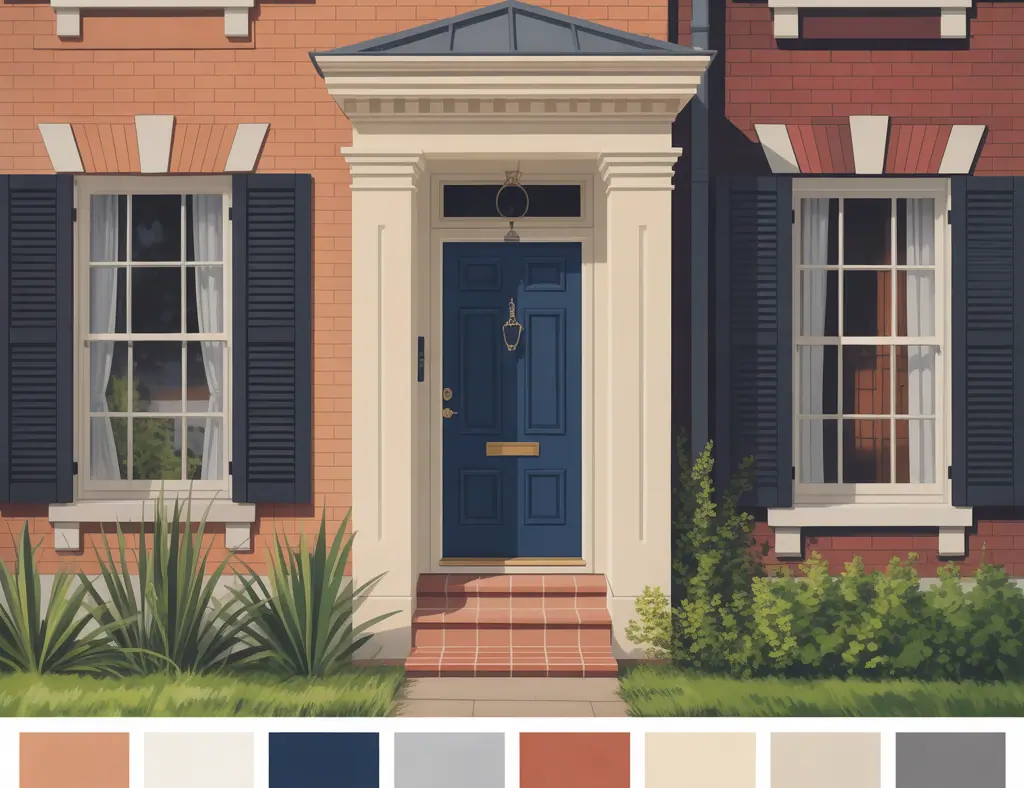
- Navy door + crisp white shutters: A timeless coastal look. Pair with white trim and brass or polished nickel hardware.
- Black door + soft gray shutters: Modern and elegant. Use matte black or oil-rubbed bronze hardware for continuity.
- Deep red door + charcoal shutters: Bold and welcoming. Offset with cream trim and warm brass accents.
- Sage green door + ivory shutters: Serene and cottage-friendly. Bronze hardware complements the earthy palette.
- Mustard yellow door + navy shutters: Energetic and unexpected for modern craftsman homes. Black hardware grounds the look.
- Natural wood-stained door + muted green shutters: Rustic and organic; use clear satin finish on wood and black or bronze hardware.
- Charcoal door + black shutters: Sophisticated monochrome that reads modern when paired with white trim and chrome hardware.
- Soft pastel door (dusty blue or blush) + white shutters: Charming for bungalows and cottages — choose satin-finish hardware in nickel.
How to choose the right color scheme
Follow these practical principles to pick a combination that flatters your home:
- Consider architectural style: Historic homes tolerate richer, deeper hues; modern homes favor clean neutrals and bold contrasts.
- Work with your existing palette: Use dominant exterior colors (brick, siding, roof) to guide door and shutter choices. Use a color wheel to find complementary or analogous colors.
- Think in thirds: One-third accent (door), two-thirds main (shutters + trim) often feels balanced.
- Test at different times of day: Paint swatches can look very different in morning vs. evening light.
- Choose finish wisely: Gloss or semi-gloss for doors for easy cleaning and impact; satin or eggshell for shutters to hide minor imperfections.
Using contrast vs. coordination
High-contrast pairings (e.g., black door + white shutters) create drama and focal interest. Coordinated schemes (e.g., sage door + muted green shutters) offer a softer, more harmonious look. Decide whether you want the door to pop or blend.
DIY Preparation and Step-by-Step Painting Guide
Ready to paint? Here’s a simple plan to get professional-looking results without hiring out:
- Inspect and repair: Check for rot, rust, or peeling paint. Replace damaged wood and sand rough areas.
- Clean thoroughly: Use a mild detergent or trisodium phosphate solution to remove dirt, pollen, and mildew. Rinse and let dry.
- Prime: Apply an exterior primer on bare wood, metal, or heavily stained surfaces. Primer ensures adhesion and true color payoff.
- Caulk gaps: Seal joints between trim and siding with exterior caulk to prevent moisture intrusion and give a crisp line.
- Paint the shutters first: It’s easier to paint shutters on a sawhorse or leave them hung depending on accessibility. Use a brush for detail and a roller for flats.
- Paint the door: Hang the door off its hinges or paint in place. Use a high-quality brush and apply thin, even coats. Allow full drying time.
- Finish with hardware: Reinstall or update hinges, handles, and house numbers to complement the new color scheme.
Tools & materials checklist
- Exterior paint (acrylic latex recommended)
- Primer suitable for wood/metal
- Sandpaper, putty, caulk
- Quality brushes and small rollers
- Drop cloths, painter’s tape, gloves
Design Inspiration & Real-World Tips
- Match hardware metal to landscaping tones: Warm bronze pairs well with autumnal plantings; chrome or nickel reads crisp with modern gardens.
- Use small accents to tie colors together: Consider a welcome mat, potted plants, or window boxes in coordinating shades.
- Try a two-tone shutter: Paint Louvers one color and stiles/frames another for subtle depth.
- Test with temporary color: Use removable vinyl overlays or temporary spray to visualize bold choices before committing.
- Account for sun exposure: Dark pigments fade faster — invest in UV-resistant exterior paint for longevity.
If you’re looking for project ideas or step-by-step tutorials beyond paint—check out our DIY projects and home design ideas pages for practical guides and inspiration.
Maintenance and Seasonal Care
Keep colors fresh longer by cleaning shutters and doors twice a year, touching up chips immediately to prevent rot, and applying a fresh topcoat every 5–7 years depending on exposure. For wooden shutters or natural-stain doors, re-stain or seal annually in high-sun or coastal environments.
Frequently Asked Questions
1. Should shutters match the door color?
No — shutters don’t have to match the door. Matching creates a uniform look, but contrasting or coordinating colors often highlight architectural features better and create visual interest. Choose based on the style you want to convey.
2. What paint finish is best for exterior doors and shutters?
Doors benefit from gloss or semi-gloss finishes for durability and easy cleaning. Shutters often look best in satin or low-sheen finishes that hide imperfections while still being weather-resistant. Always use exterior-grade paint designed for sun and moisture exposure.
3. How do I pick a color that won’t look weird once it’s painted?
Test swatches directly on the door and a shutter panel, view them in morning and evening light, and step back from the house to see the full effect. Small sample pots and poster-board-sized samples help you visualize scale and interaction with siding, stone, and landscaping.
Conclusion — Transform your curb appeal today
Door and shutter color ideas best combinations can instantly refresh your home without a major remodel. Use the color combos and DIY steps above to plan a confident update: test swatches, prep surfaces well, and pick finishes that match your style and climate. Ready to start? Grab paint samples this weekend, or dive into one of our kitchen upgrades and exterior projects for more ways to boost your home’s value and style.
Want tailored advice for your house? Leave a photo and description of your siding and trim — I’ll suggest three color combos that will work for your home.