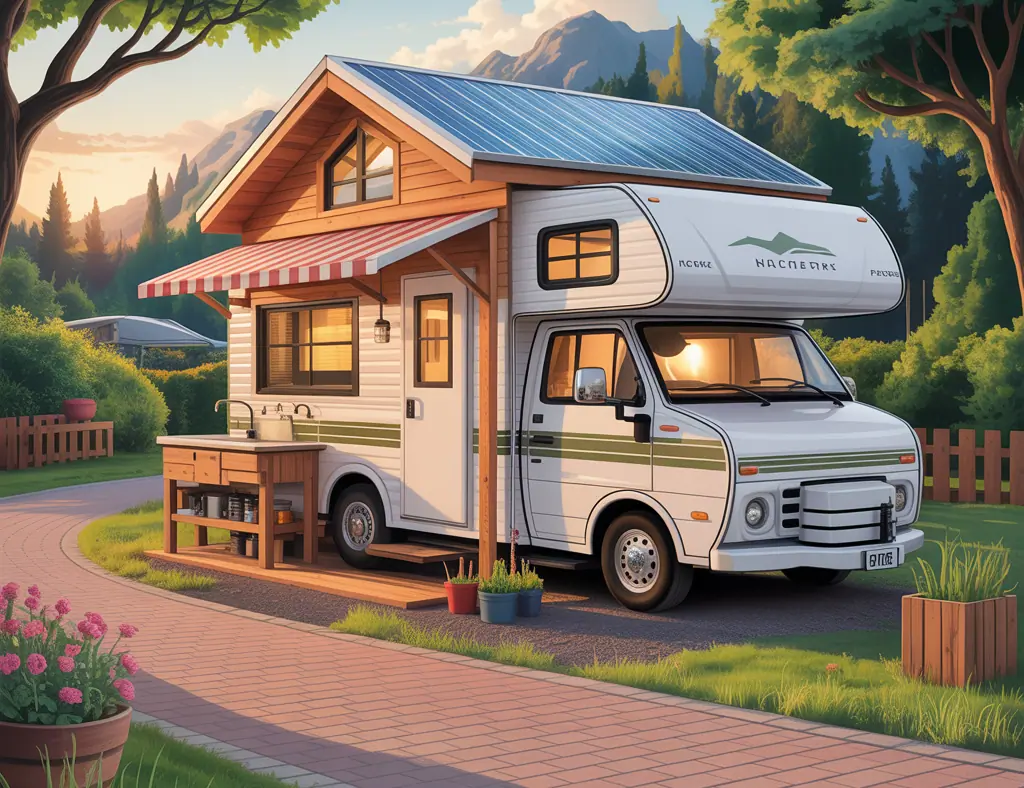
Have you ever stood on a dusty lot and wondered how to turn it into a welcoming campground or community space — maybe for a small private park behind your property or a full-fledged RV retreat? Whether you’re a property owner, campground operator, or DIY enthusiast dreaming of transforming a backyard into a guest-ready RV site, smart planning and affordable upgrades make a huge difference. In this guide you’ll find creative, real-world design ideas for RV park projects, step-by-step improvements, and inspiration you can apply at any scale.
Why thoughtful RV park design matters
Good design isn’t just aesthetics. It improves safety, increases occupancy and guest satisfaction, lowers maintenance costs, and can boost revenue if you operate the park. Thoughtful layouts consider traffic flow, utility access, privacy, and amenities — all elements that affect the daily experience of RVers. Even small additions like a planted buffer, proper lighting, or a shared fire pit can transform an ordinary site into a memorable destination.
Top design ideas for RV park: layout, landscaping, and amenities
1. Site layout & traffic flow
Start with a clear plan. Create wide, well-marked roads and turning radii that accommodate longer rigs. Position pull-through sites to the outer edge to reduce reversing and place back-in sites where necessary for compact spaces.
- Use gravel or recycled asphalt for low-cost road surfaces that compact well.
- Place utility pedestals centrally to serve two adjacent sites to save on trenching costs.
- Consider one-way circulation to minimize backups and tight turns.
2. Landscaping for privacy & curb appeal
Landscaping is one of the highest-impact, low-cost ways to improve ambiance and privacy. Choose native shrubs, ornamental grasses, and fast-growing trees to create living screens between sites.
- Plant staggered rows of evergreen shrubs to block view and wind.
- Add raised planter beds along the site edge to define spaces and reduce erosion.
- Use drought-tolerant groundcovers to reduce mowing and irrigation needs.
3. Utilities, hookups & off-grid options
Provide clear, ADA-compliant access to electric, water, and sewer hookups. For tight budgets, design systems that can be phased: power first, water second, sewer later. Consider composting toilets or shared dump stations if full hookups aren’t viable.
4. Communal spaces & small-scale amenities
Well-designed common areas build community and extend guest stays. Ideas include picnic shelters, a small playground, a community garden, a BBQ/grilling area, or a simple fire pit with seating. For commercial parks, add a clean laundry room and a welcoming office.
5. Lighting, signage & safety
Soft, directional LED lighting improves safety without causing glare. Use clear, consistent signage for speed limits, site numbers, and rules. Integrate low fencing and reflective markers for nocturnal navigation.
DIY projects you can build this weekend
Here are practical, step-by-step DIY upgrades that make a big impact and are achievable with basic tools.
Project A — Build a gravel RV pad (materials: landscape fabric, crushed rock, edging)
- Mark the pad dimensions (12–14 feet wide by 35–45 feet long for typical rigs).
- Excavate 4–6 inches of topsoil; compact the base.
- Lay landscape fabric to prevent weed growth.
- Add 2–3 inches of coarse gravel, compact, then finish with 2–3 inches of crushed rock; compact again.
- Install edging (timber, stone, or metal) to keep rock contained.
Project B — Privacy screen with lattice and climbing vines (materials: treated posts, lattice panels, climbing plants)
- Set treated posts 6–8 feet apart and secure them in concrete footings.
- Attach lattice panels between posts at desired height.
- Plant fast-growing climbers like clematis, honeysuckle, or native vines at the base.
- Train plants onto lattice and add drip irrigation to establish growth.
Project C — Simple communal fire pit and seating (materials: retaining wall blocks, gravel, timber or benches)
- Choose a non-flammable location with a 10–15 ft safety perimeter.
- Dig a shallow ring, level the base, and set retaining blocks to form the pit.
- Fill the pit with gravel and topped with a ring of fire-rated material if desired.
- Create bench seating from timber or repurposed materials and secure to the ground.
Budget-friendly & sustainable upgrades
Keep costs down and appeal up with sustainable choices:
- Collect rainwater for irrigation with simple barrels and drip systems.
- Install solar path lights and small solar arrays for shared energy needs.
- Use recycled or reclaimed materials (pallet wood for benches, pavers from demolished sites).
Maintenance tips and long-term planning
Design with maintenance in mind: choose low-maintenance plantings, create easy access to utilities, and schedule regular inspections for roads and hookups. Keep a reserve fund for seasonal repairs and prioritize investments that reduce labor (mulch to reduce weeds, gravel pads to prevent mud).
Frequently Asked Questions
Q1: How much space do I need per RV site?
A standard site is typically 12–14 feet wide and 35–45 feet long for most rigs. Larger pull-through sites may be 14–16 feet wide and 50–70 feet long. Always account for clearance on both sides and access for slide-outs and awnings.
Q2: What’s the most cost-effective way to add utilities?
Phase the build: start with electric and potable water, and add sewer access later via a shared dump station. Use centralized utility pedestals to serve two sites at once to reduce trenching and material costs.
Q3: Can these RV park design ideas be used for a backyard or tiny-home community?
Absolutely. Many of the concepts—landscaping for privacy, compact utility planning, gravel pads, and shared amenities—translate well to backyard RV sites, tiny-home clusters, and glamping areas. Scale materials and spacing to suit local codes and intended use.
Conclusion: Start small, think big — apply these design ideas for RV park today
Whether you’re sketching a commercial campground or converting part of your property into rentable spots, these design ideas for RV park projects help you create functional, attractive, and budget-friendly spaces. Start with one DIY upgrade — a gravel pad, privacy screen, or communal fire pit — and build from there. For more hands-on inspiration, check out our DIY projects and home design ideas pages to help plan each step.
Ready to begin your next project? Pick one idea above, gather materials this weekend, and transform your space. Share your progress or ask for layout feedback — we’re here to help.