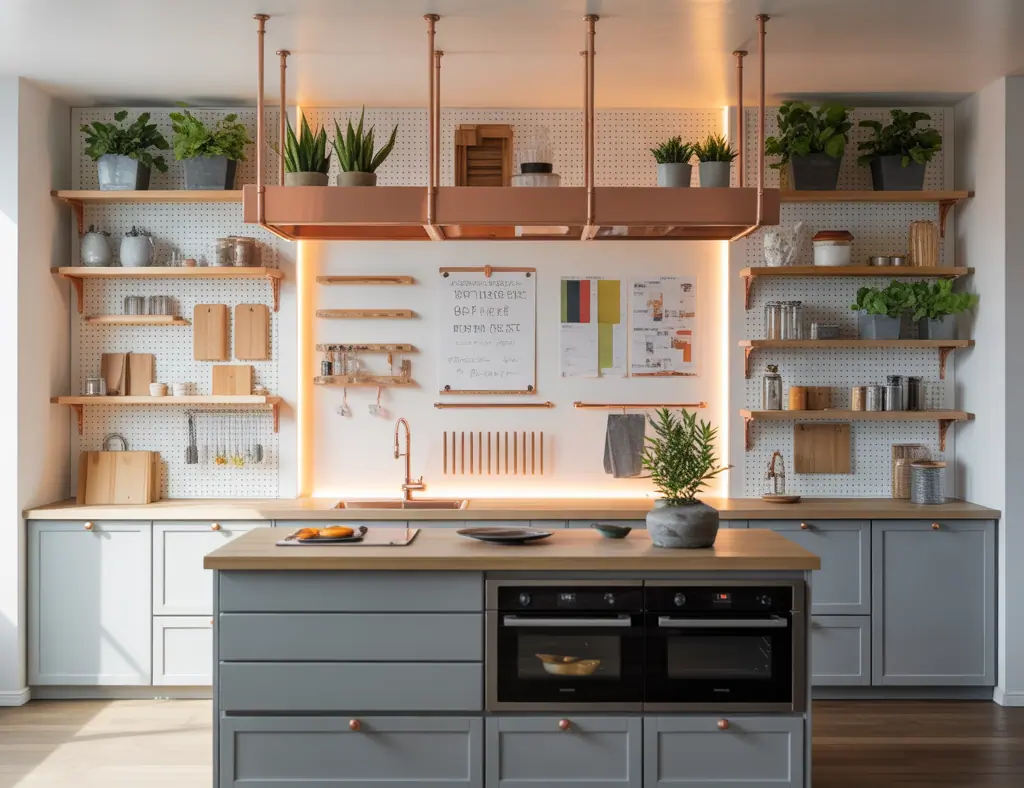
Imagine hosting a weekend brunch and feeling boxed in as you hand plates through a doorway — or trying to join a conversation while your back is to guests. If that sounds familiar, you’re not alone. Many homeowners crave a brighter, more social kitchen but hesitate at the thought of tearing down walls. In this guide I’ll walk you through practical, stylish, and safe ideas kitchen wall opening projects that make your home flow better, whether you want a simple pass-through or a full archway—complete with DIY tips, step-by-step instructions, budgets, and design inspiration.
Why open a kitchen wall? Benefits and design goals
Opening a kitchen wall can dramatically change how your home functions and feels. Common goals include:
- Improved sightlines and interaction between kitchen and living/dining areas
- More natural light and the perception of larger space
- Added countertop or seating opportunities (pass-through shelf or breakfast bar)
- Modernized layout for entertaining and family life
Before you start, decide whether you want a full removal, a half wall, a pass-through window, or a decorative arch. Each option has different structural, cost, and timeline implications.
Quick checklist before you open a wall
- Identify if the wall is load-bearing — look at attic/ceiling joists or consult a pro.
- Check for electrical, plumbing, or HVAC in the wall and plan relocations.
- Obtain required permits from your local building department.
- Create a temporary dust barrier and plan for debris disposal.
- Decide on finishes, trim, paint, or integrated countertop extensions.
Practical ideas kitchen wall opening: Which option suits your home?
1. Pass-through window with countertop bar
Perfect for small homes or apartments. Cut a rectangular opening, add a reinforced header if needed, and install a countertop extension to create a serving ledge or breakfast bar. Use durable materials like quartz or butcher block for a functional surface.
2. Half wall (knee wall) with railing or glass
Keep some separation but open sightlines. A knee wall provides privacy for kitchen clutter while allowing light and communication. Add a glass partition or ironwork for a modern look.
3. Decorative archway or rounded opening
An archway adds architectural charm. This involves framing curved openings and installing a curved header or beam. Great for historic or cottage-style homes.
4. Full removal for an open-plan kitchen
This creates a completely open concept. You’ll almost always need a structural beam if the removed wall is load-bearing. Consider how the new kitchen island or peninsula will anchor the space and provide circulation.
5. Sliding or pocket pass-through window
Install sliding glass or pocket doors within an opening to get the best of both worlds—openness when desired and separation for smells or noise. Ideal between kitchen and patio or dining room.
Step-by-step DIY approach (non-load-bearing wall)
- Turn off electricity to the area and check for wiring with a stud finder that detects live wires.
- Remove baseboard and drywall on the kitchen side to locate studs and utilities.
- Cut the opening between studs using a reciprocating saw, staying within marked studs if you’re not moving supports.
- Patch or move any electrical/plumbing with professional help if needed.
- Finish the edges: install jambs, trim, and paint. Add countertop or shelf if doing a pass-through.
- Clean up and install finishing touches—lighting, bar stools, or decorative trim.
Note: For load-bearing walls, stop after step 2 and call a structural engineer to design a header or beam. Never attempt unsupported removal of load-bearing elements.
Materials, tools, and estimated costs
Tools: stud finder, reciprocating saw, circular saw, level, tape measure, hammer, pry bar, drywall tools, and personal protective gear.
Materials: lumber for framing/header, drywall, joint compound, screws, trim, countertop material, paint, and possibly a structural beam.
Estimated costs:
- Small pass-through on non-load-bearing wall: $200–$1,500 (DIY labor + materials)
- Half-wall or decorative arch: $500–$3,000 depending on finish
- Full removal involving a beam and contractor: $3,000–$12,000+ depending on beam type and complexity
Design inspiration and finishing touches
Choose finishes that blend the two rooms. Ideas:
- Extend kitchen backsplash into the opening for continuity
- Add pendant lights above a pass-through countertop for a café vibe
- Use contrasting trim colors to define the opening as a feature
- Install a floating shelf in the opening for serving or display
- Use reclaimed wood or shiplap to add texture and warmth
Safety and hiring professionals
When to call a pro:
- If the wall is load-bearing — structural engineers and licensed contractors are necessary.
- When moving major plumbing or electrical circuits.
- If you lack experience with framing or installing headers.
Getting multiple quotes and checking references will save time and money. Contractors can also handle permit pulls and inspections so you stay compliant.
Frequently Asked Questions
Is it safe to open a wall between kitchen and living room?
Yes, when done correctly. The main safety concern is whether the wall is load-bearing. If it is, you’ll need a properly sized header or beam designed by a structural engineer and installed by a licensed contractor. Non-load-bearing walls are much simpler and often a safe DIY project.
How much does it cost to create a pass-through in a kitchen wall?
Costs vary widely. A basic pass-through in a non-load-bearing wall can be under $1,500 DIY. If you need structural work, expect $3,000–$12,000 or more depending on beam size, finishes, and labor. Material choices (quartz, butcher block, or reclaimed wood) also affect the final price.
Do I need a permit to open a kitchen wall?
Most jurisdictions require a permit for structural changes, electrical work, or plumbing relocations. Even non-structural openings may require a permit. Check local building codes before starting; this avoids fines and ensures safety and resale compliance.
Conclusion — Start your ideas kitchen wall opening project today
Opening a kitchen wall can transform how you live and entertain—whether you opt for a simple pass-through, a charming archway, or a fully open-plan layout. Begin by assessing the wall, planning finishes, and choosing the right route: DIY for simple, non-load-bearing openings, and professionals for structural work. With thoughtful design and a clear plan you can create a brighter, more connected home.
Ready to get started? Browse our DIY projects for step-by-step tutorials, explore kitchen upgrades for finish ideas, or get inspired by home design ideas to pick the perfect opening style. Share your plans or questions in the comments — I’d love to help you make your kitchen the heart of your home.