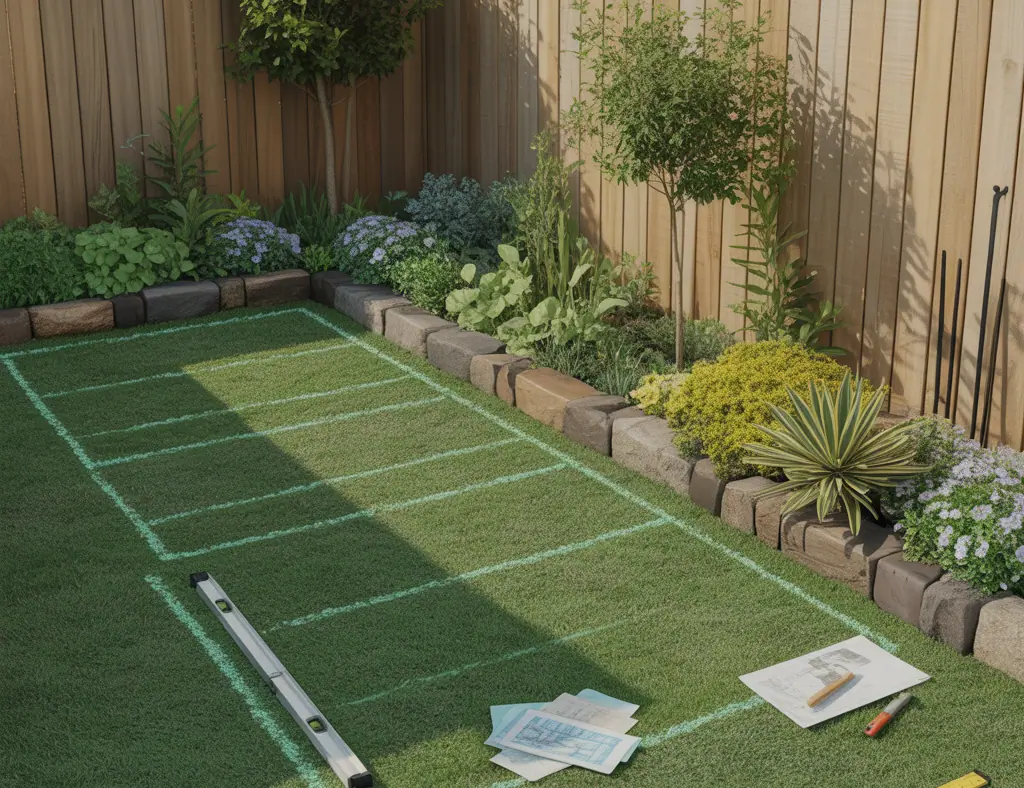
You’re standing in your backyard staring at the grass that stops awkwardly where your neighbor’s lawn begins — wondering how to make that invisible line look intentional. Maybe kids chase balls over it, or you want more privacy without a full fence. If that sounds familiar, this guide will give you practical, friendly, and do-it-yourself ideas for property line improvements you can tackle this weekend or plan for the season.
Why planning your property boundary matters
A well-designed property boundary does more than mark ownership. It adds curb appeal, improves privacy, increases safety, and can even boost property value. Whether you prefer a natural hedgerow, a modern metal fence, or a series of raised planters, choosing the right boundary solution depends on style, budget, maintenance, and neighbor relations.
Quick checklist before you start
- Confirm your exact property line with a survey or written deed description.
- Check local zoning rules, HOA regulations, and permit requirements.
- Talk with neighbors about shared fences or any work that affects both yards.
- Plan for drainage, visibility for driveways, and utility lines.
Practical DIY ideas for property line
1. Classic wood or vinyl fence — step-by-step build basics
A fence is the most direct way to define a property line. For a DIY-friendly picket or privacy fence:
- Mark the line with stakes and string, leaving ~6 inches from the line for post cement.
- Dig post holes (2–3 feet deep) with a post hole digger and set treated posts in concrete.
- Attach horizontal rails, then install pickets or privacy boards. Use galvanized screws for outdoors.
- Stain or paint for weather protection. Allow concrete to cure 48 hours before pressure is applied.
Tools: post hole digger, level, circular saw, drill. Time: 1–3 weekends depending on length. Long-tail search terms: privacy fence ideas, DIY boundary fence.
2. Living fence: hedges, shrubs, and trees for natural screening
Planting a hedge or line of shrubs gives a softer, eco-friendly boundary. Low-maintenance options include boxwood, privet, and holly; for faster screening consider arborvitae or leyland cypress.
- Spacing and mature height determine how many plants you need.
- Install in a staggered pattern for thicker coverage and plant in well-draining soil with mulch.
- Tip: add drip irrigation for young plants to reduce maintenance.
3. Trellis and vertical gardens for privacy with style
A trellis with climbers like clematis, honeysuckle, or climbing roses becomes a living wall. Build a simple timber trellis or buy a prefabricated panel and attach to posts spaced every 6–8 feet. This is great when you want a blend of privacy and decorative appeal.
4. Raised planter borders and garden edges
Use raised beds or long planter boxes along the property line for a functional and pretty boundary. Materials: cedar or composite boards, landscape fabric, and good soil mix. This approach doubles as a vegetable garden or pollinator strip while clearly marking your edge.
5. Low-maintenance rock or gravel paths and edging
Define the line with stone edging, boulders, or a gravel path. It’s durable, vandal-resistant, and works well in modern landscapes. Use landscape fabric under gravel to prevent weeds and compact the base for a solid finish.
Design inspiration and style pairings
Match boundary solutions to your home style:
- Modern home: metal slat fence, concrete planters, minimalist hedging.
- Farmhouse: split-rail fence, wildflower border, mixed shrubs.
- Cottage garden: picket fence with climbing roses and herb beds.
Budget-friendly vs. high-end property line options
If you’re on a tight budget, start with painted wooden posts, gravel edging, or potted plant barriers. For investment-level upgrades, consider stone walls, decorative wrought iron, or custom metal screens with backlighting. Always weigh long-term maintenance costs when choosing materials.
Neighbor-friendly tips and legal considerations
Working with neighbors avoids disputes. Offer to split costs for shared fences, get agreements in writing, and avoid building directly on the property line unless local codes permit. Document existing conditions with photos before work begins.
Maintenance and seasonal care
Keep your boundary solution performing well with annual checks: tighten loose rails, prune hedges, re-stain wood every 2–4 years, and refresh gravel or mulch as needed. Seasonal tasks prolong life and keep the line looking intentional year-round.
Short project ideas to try this weekend
- Install 3–4 cedar planter boxes along the line and plant fast-growing herbs.
- Lay a narrow gravel border and edge it with recycled bricks for instant definition.
- Set up a trellis with a quick-growing vine for summer privacy.
ideas for property line: quick decision guide
Unsure which route to take? Use this mini decision tree:
- Want immediate privacy: build a fence or install privacy screens.
- Want natural/eco option: plant hedges or trees.
- Want aesthetics and function: combine raised planters with a trellis.
Frequently Asked Questions
1. Do I need a permit to build a fence on my property line?
Permit requirements vary by municipality. Many places allow small fences without permits, but taller fences or structures may require approval. Always check local codes before digging or building.
2. How can I make a property line look good without spending a lot?
Low-cost options include gravel edging, recycled wood planters, container gardens, or low shrubs. Painting or staining existing features and adding low-cost lighting can also elevate the look without major expense.
3. What plants are best for a fast privacy screen?
Fast-growing privacy plants include arborvitae, leyland cypress, bamboo (use clumping varieties or root barriers), and instant hedging plants. Consider growth rate, mature size, and root behavior before planting.
Conclusion — take control of your boundary with smart ideas for property line
Defining your property line doesn’t have to be a headache. Whether you choose a simple gravel edge, a living hedge, or a customized fence and trellis combo, there are practical, neighbor-friendly, and stylish options you can DIY. Start small with a weekend planter project or plan a full fence install — the important part is making the line intentional and functional. Ready to start? Browse our DIY projects and home design ideas for step-by-step guides and inspiration, or check kitchen upgrades if you’re tackling multiple home improvements this season.
Want help choosing materials or a quick plan tailored to your yard? Leave a comment or subscribe for a printable checklist to get started.