Ever unpacked a beautiful papyrus scroll or bought a papyrus print at a market and wondered how to turn it into a framed statement piece without ruining it? Whether it’s a family heirloom, a vacation find, or a DIY papyrus art project, framing papyrus requires special care and creativity. This guide walks you through practical, stylish, and archival-safe ideas for framing papyrus so your piece looks amazing and lasts for generations.
Why framing papyrus is different from framing regular paper
Papyrus is a fragile, fibrous material that reacts differently than modern acid-free paper. It can be brittle, sensitive to moisture and light, and it shouldn’t be taped or glued directly to a backing. Proper framing combines conservation techniques (acid-free mats, UV-filtering glazing) with design choices (frame style, mounting method) that highlight the texture and historical look of papyrus without compromising its integrity.
Best ideas for framing papyrus: design and mounting concepts
Here are creative, practical options that suit different budgets and aesthetic tastes. Each idea includes quick tips so you can try it yourself.
1. Floating mount in a shadow box
- Why it works: Shows the raw edges and layered texture of papyrus.
- How-to tip: Use archival linen tape or Japanese paper hinges at the top edge so the papyrus can expand and contract.
2. Double mat with a warm-toned inner mat
- Why it works: Adds an archaeological, museum-like feel and prevents the papyrus from touching the glass.
- How-to tip: Choose acid-free mats and leave a gap of at least 1/8″ between glass and papyrus using matboard spacers.
3. Minimalist floating frame for modern interiors
- Why it works: Lets the papyrus be the focal point in a contemporary room.
- How-to tip: Use thin metal or slim wooden frames with non-reflective UV glass.
4. Ornate frame for a historic or eclectic look
- Why it works: Complements traditional art and antiques.
- How-to tip: Keep inner mats neutral and archival to avoid chemical reactions between frame finish and papyrus.
5. Framed collage of papyrus fragments
- Why it works: Great for damaged or smaller pieces—creates a curated gallery effect.
- How-to tip: Mount fragments on acid-free board and hinge them individually so each piece is secure but not glued down.
6. Backlit display for translucent effect
- Why it works: Reveals the fibers and adds drama—best for reproductions or sturdy originals.
- How-to tip: Use low-heat, diffused LED panels and ensure UV protection to avoid fading.
7. DIY rustic frame with reclaimed wood
- Why it works: Enhances an earthy, global aesthetic—pairs well with natural papyrus tones.
- How-to tip: Seal the wood with an archival-friendly finish and maintain a spacer between wood and papyrus to avoid contact.
Materials you’ll need for safe DIY framing
- Acid-free backing board and matboard
- UV-filtering non-reflective glass or acrylic (plexi) glazing
- Archival linen tape or Japanese paper and wheat starch paste (for hinging)
- Shadow box or frame with depth and spacers
- Clean cotton gloves, tweezers, and a soft brush
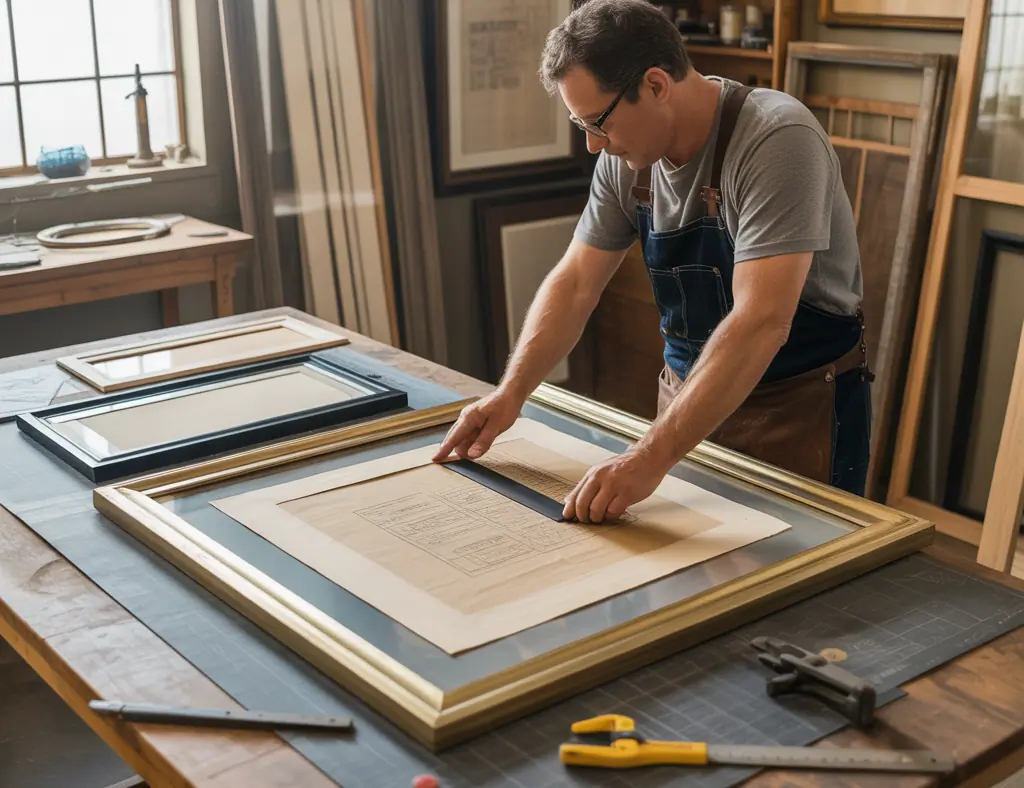
Step-by-step: DIY method for framing papyrus
- Clean your workspace and wear cotton gloves to avoid oils from your fingers.
- Measure the papyrus and choose a frame slightly larger than the piece—depth is important, so choose a shadow box if possible.
- Prepare an acid-free backing board cut to frame size. Position the papyrus face-up on the board.
- Create Japanese paper hinges: cut two small strips, apply a thin line of wheat starch paste, and attach the hinge to the top edge of the papyrus and the backing. Press gently and let dry.
- Install matboard to create a border and spacers that keep the papyrus from touching the glazing. Use a gap of at least 1/8″ to 1/4″.
- Place UV-filtering glass or acrylic in the frame. Seal the back with archival framing tape.
- Label the back with provenance and date (use pencil on archival paper) and hang away from direct sunlight and moisture.
Design inspiration and where to hang framed papyrus
Choosing the right spot amplifies the piece. Papyrus pairs well with warm, textured interiors—think Mediterranean, Boho, or global eclectic styles. Consider these placements:
- Living room above a console table as a focal piece
- Entryway gallery wall paired with maps and botanical prints
- Home office or library to create a study-like atmosphere
- Dining room on a feature wall—combine with warm metallics and wood
Lighting: Use indirect lighting or low-heat LEDs and avoid direct sun exposure. Maintain humidity around 40–55% to prevent brittleness or mold.
Practical tips from the pros
- Never use pressure-sensitive tape directly on papyrus—use archival hinges instead.
- If the papyrus is very fragile, consult a paper conservator before attempting any DIY mounting.
- Use UV-protective glazing even for reproductions if you want long-term color stability.
- Label and document the piece’s origin—adds value and context for guests.
- Experiment with frame finishes—oak, walnut, black metal, or gilded frames each tell a different story.
Frequently Asked Questions
1. How can I mount papyrus without damaging it?
Mount papyrus using archival hinges made from Japanese paper and wheat starch paste. Hinging at the top edge allows the papyrus to expand and contract naturally. Avoid tapes, adhesives, or glues that contact the front surface.
2. What kind of glass or acrylic should I use when framing papyrus?
Use UV-filtering, non-reflective glass or UV-protective acrylic. These options reduce fading and glare while protecting paper fibers. Acrylic is lighter and shatter-resistant—good for larger frames—but can scratch easier than glass.
3. Can I display papyrus in humid rooms like bathrooms or kitchens?
It’s not recommended. High humidity can cause mold, foxing, or warping. If you must display in a kitchen, place the framed piece away from steam sources and use an airtight frame with silica gel packets to control moisture.
Conclusion: Start framing with confidence
Framing papyrus is a rewarding DIY project that blends conservation best practices with creative design. Whether you choose a floating mount, a classic double mat, or a backlit installation, these ideas for framing papyrus will help you create a beautiful, long-lasting display. Try one of the techniques above, document your process, and share the results—your framed papyrus can become a conversation-starting centerpiece.
Ready to try a framing project? Browse our DIY projects for step-by-step help, get decor ideas from our home design ideas gallery, or explore complementary upgrades for your display area in our kitchen upgrades section. Happy framing!