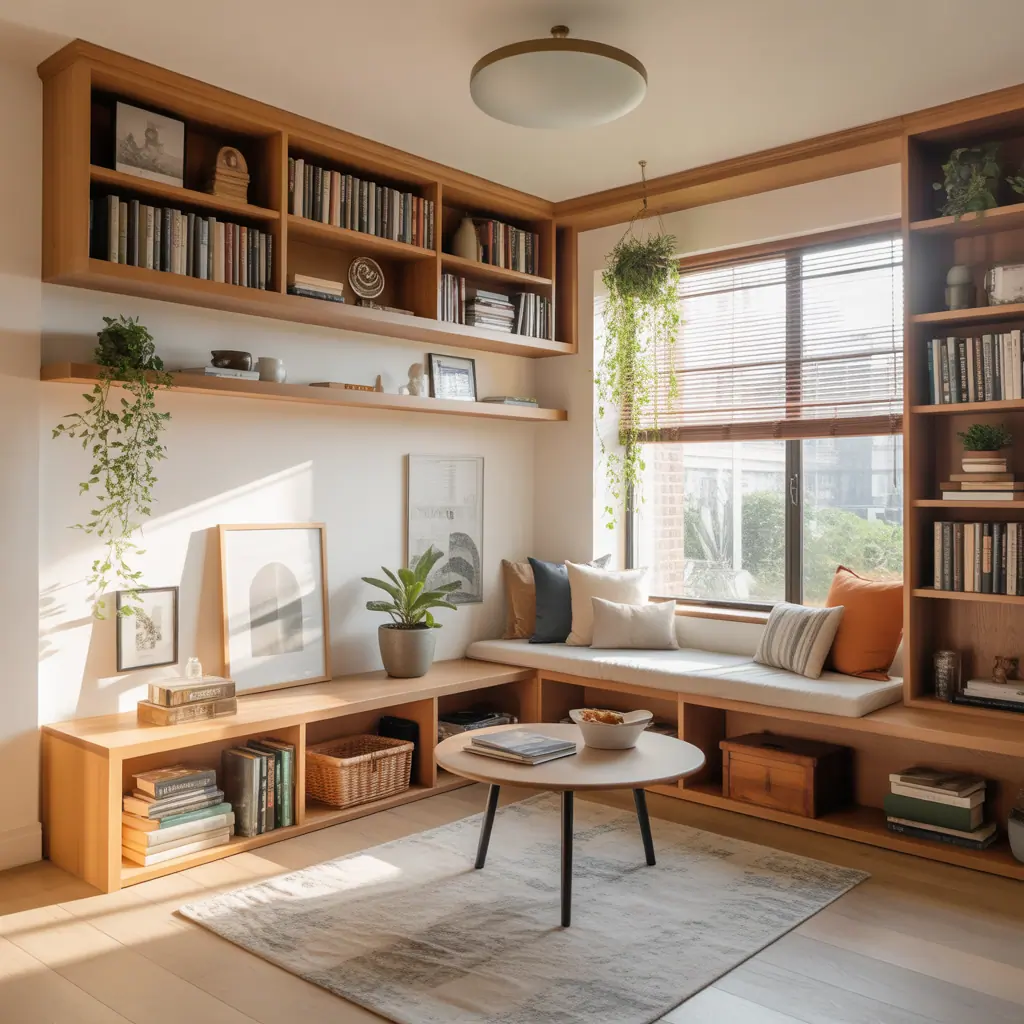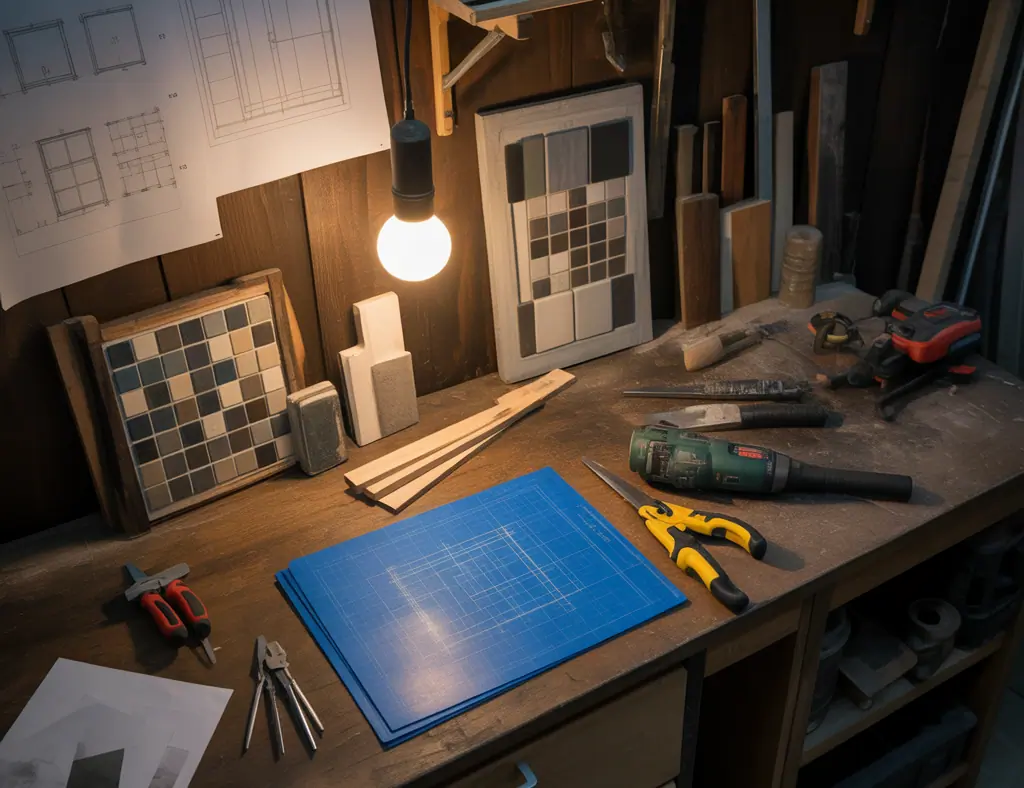
You’ve just finished moving into a charming older house, but one room feels like a cave — small, windowless, and uninspiring. Sound familiar? Whether it’s a spare bedroom, a basement nook, or a walk-in closet that needs function and style, these ideas dark room makeovers will help you transform a dim corner into a bright, useful, and cozy space without a full remodel.
Why dark rooms feel smaller — and how to change that
Dark rooms look smaller because they absorb light, reduce visual depth, and flatten texture. The good news: color, lighting, layout, and reflective surfaces can reverse that effect. Instead of spending a lot on structural changes, you can use practical design tricks and DIY improvements to make the room appear larger, lighter, and more inviting.
Top ideas dark room owners can try
1. Layer your lighting: ambient + task + accent
Lighting is the fastest way to change mood and perceived size. Aim for layered light:
- Ambient: ceiling fixture or multiple recessed lights (even a few well-placed LEDs will do).
- Task: desk lamps, under-shelf LEDs, or swing-arm sconces for reading and work.
- Accent: picture lights, LED strips, and uplights to add depth and highlight textures.
DIY tip: If wiring is a barrier, use plug-in wall sconces and cord covers for a clean look without running new electrical lines.
2. Choose paint colors strategically
Light-reflective, warm neutrals and pastels work best to open up a low-light room. Consider off-white, warm gray, pale sage, or soft blush. Use satin or eggshell finishes on walls to gently bounce light — avoid high gloss for large walls because it can emphasize imperfections.
3. Use mirrors and reflective surfaces
A well-placed mirror reflects light and doubles the perceived space. Mirrors opposite a light source or above a console table are especially effective. Metallic finishes (brass, chrome) and glossy furniture can also add subtle reflections.
4. Embrace smart furniture and layout
Choose multi-functional pieces and keep pathways open. Floating shelves and wall-mounted desks free floor space. Use low-profile furniture to increase sightlines — a lower sofa or bench makes ceilings feel higher.
5. Flooring and rugs to expand the space
Light-toned flooring or wide-plank boards visually widen a room. If you can’t replace flooring, a large light-colored rug with a subtle pattern can do the trick. Diagonal rug placement is a simple DIY technique to create a feeling of motion and space.
6. Add texture and layered textiles
Soft throws, sheer curtains, and layered cushions add warmth without heavy visual weight. Sheer curtains diffuse light and maintain privacy while avoiding the boxy feel of heavy drapes.
7. Bring in greenery and life
Plants add color, texture, and a psychological lift. Use a tall plant to draw the eye up or small succulents on a bright shelf. Artificial plants with realistic finishes are a low-maintenance alternative for low-light spaces.
8. Consider daylighting options (where possible)
If budget allows, adding a skylight, solar tube, or interior transom window can dramatically change a dark room. These are bigger projects, but they reward you with real natural light and increased home value.
Step-by-step DIY project: Install LED strip lighting under shelves
This simple project adds both task lighting and ambiance — perfect for shelves, headboards, or bookcases.
- Measure the shelf length and buy LED strip lights (look for dimmable, warm white 2700–3000K).
- Clean the installation area and dry it thoroughly.
- Cut the LED strip to length (many strips allow cuts at marked intervals).
- Attach using adhesive backing or low-profile mounting clips.
- Route the power cord neatly to a plug — use a surge-protected extension or hire an electrician to hardwire if preferred.
- Test and adjust brightness; add a plug-in dimmer for flexible mood control.
Result: even, energy-efficient light that brightens surfaces and makes the room feel modern and spacious.
Design inspiration: styles that work well in dim spaces
Not all décor styles suit a low-light room. Here are a few that excel:
- Scandi-minimal: light woods, pale textiles, and clean lines to maximize brightness.
- Modern farmhouse: warm neutrals, mixed textures, and reflective metal accents.
- Soft contemporary: layered lighting, muted color palette, and simple art pieces.
Practical considerations and real-world advice
When planning a dark room makeover, keep these real-world tips in mind:
- Measure the room’s current light levels if possible; aim for 300–500 lux for general living spaces.
- Mix color temperatures carefully — too many different temperatures will feel chaotic. Stick to warm or neutral hues in one space.
- Prioritize tasks: lighting and paint are the highest-impact, lowest-cost changes.
- Don’t be afraid of contrast: a darker accent wall can create depth if balanced with plenty of light and reflective elements.
Frequently Asked Questions
Q: What are the best paint colors for a dark room?
A: Best colors are light, warm neutrals like warm white, soft beige, light gray with warm undertones, pale sage, or pastel blues. Avoid very cool, dark hues unless you have strong artificial lighting and want a moody look.
Q: How can I brighten a dark room without windows?
A: Use layered lighting (ambient, task, accent), reflective surfaces (mirrors, gloss finishes), light paint colors, and strategic furniture placement. Consider installing a skylight or solar tube if structural changes are feasible.
Q: Are LED lights good for dark rooms?
A: Yes. LEDs are energy-efficient, available in multiple color temperatures, and come in strips, bulbs, and smart fixtures. Choose a warm to neutral color temperature (2700–4000K) and ensure enough lumens for the room size.
Conclusion — Take action and brighten your space
Transforming a dim corner into a useful, beautiful area is entirely doable with thoughtful ideas dark room makeovers: layer your lighting, choose the right paint, use mirrors, and pick smart furniture. Start with one project — maybe a fresh coat of paint and an LED strip install — and build from there. Ready to try a project this weekend? Check out more DIY projects for step-by-step guides, explore complementary home design ideas, or see how small changes in the heart of your home can make a big difference in kitchen upgrades.
Want help planning your dark room makeover? Leave a comment or share a photo of your space — I’ll suggest specific changes you can do in a weekend.