Have you ever stood in your garage surrounded by paint cans, garden tools, and half-finished projects and thought, “There has to be a smarter way to store all this”? The conex storage concept is exactly the kind of practical, space-maximizing solution that turns clutter into usable space—without breaking the bank. Whether you’re tackling a backyard workshop, needing extra seasonal storage, or dreaming of a modular studio, shipping container storage can be customized to match your lifestyle and DIY skills.
What is the Conex Storage Concept?
The conex storage concept refers to using standardized shipping containers—commonly called Conex boxes or cargo containers—as purposeful storage and functional spaces around homes. These steel storage units are designed for durability and mobility, making them ideal as outdoor storage solutions, portable workshops, or even converted living or studio spaces. Think of it as a modular, heavy-duty alternative to sheds and garages.
Why Homeowners Love the Conex Storage Concept
Homeowners and DIYers are drawn to conex storage for a few clear reasons:
- Durability: Steel construction stands up to weather, pests, and heavy use.
- Versatility: Use them for secure storage, a tool shop, hobby room, or even a backyard office.
- Affordability: Compared to building a new structure from scratch, shipping container conversion can be cost-effective.
- Scalability: Mix and match containers for expanded storage or create modular layouts.
Common Use Cases
- Outdoor storage container for lawn and garden gear
- Portable storage solution during renovations
- Workshop or maker space with built-in shelving
- Conversion into a mini-studio or guest room
Planning Your Conex Storage Concept: What to Consider
Before you buy a container, take a moment to plan. Good upfront planning saves time and money down the road.
- Local codes and permits: Check zoning and building regulations—some areas restrict container placement.
- Site prep: Level the ground, add gravel or a concrete pad to prevent moisture and ensure stability.
- Size and access: Choose a 10′, 20′, or 40′ container based on available space and how you’ll access stored items.
- Security: Install robust locks, reinforce doors, and consider motion-sensor lighting or a security alarm.
DIY Step-by-Step: Convert a Shipping Container into a Custom Storage Unit
Here’s a practical, homeowner-friendly plan to convert a conex container into a usable, organized storage space.
- Inspect and purchase: Buy a container in good structural condition—look for minimal rust and sound doors.
- Prepare the site: Level and stabilize with gravel or concrete pavers; ensure drainage away from the container.
- Clean and treat: Power wash, remove surface rust, and apply a rust-inhibiting primer to extend life.
- Insulate (optional): For climate-sensitive items, install spray foam or panel insulation and a vapor barrier.
- Flooring upgrades: Add marine-grade plywood or composite flooring for a smooth, durable surface.
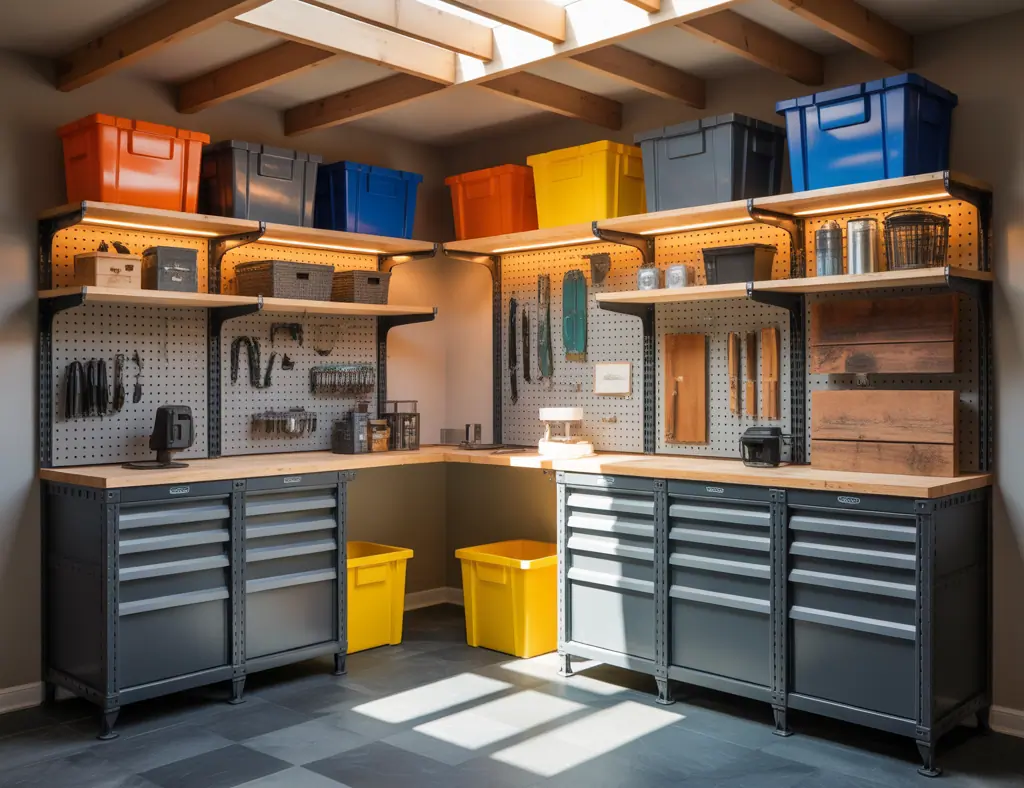
- Install shelving and storage systems: Use adjustable metal shelving, pegboards, and overhead racks to maximize vertical space.
- Lighting and power: Add LED strips or recessed lights and run power for outlets—consider solar options for off-grid setups.
- Ventilation: Install vents or a small exhaust fan to prevent moisture buildup and maintain air quality.
- Finish and secure: Paint the exterior for weatherproofing, install a heavy-duty lock, and add signage if needed.
Design Inspiration and Layout Ideas
One of the best things about the conex storage concept is how easily it adapts to style and function. Here are a few layout ideas that work for homeowners:
Workshop Layout
- Workbench against one wall with pegboard above for tool organization.
- Rolling tool chest on caster wheels for flexible workspace.
- Wall-mounted shelving for power tools and materials.
Garden Shed and Potting Station
- Bench with a sink or water access for potting and plant care.
- Vertical racks for hoses and long-handled tools.
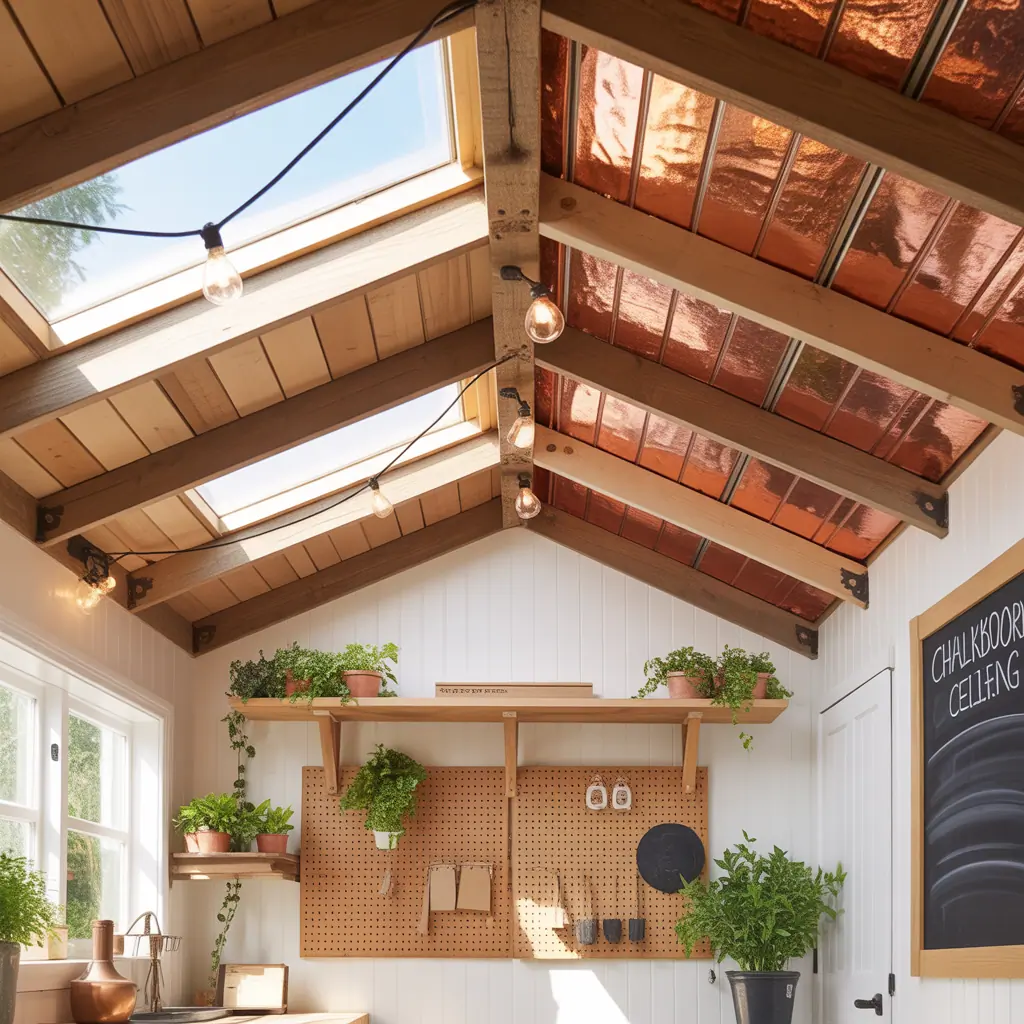
- Windows or skylights for natural light and ventilation.
Seasonal Storage and Garage Overflow
- Overhead racks for holiday decorations and seasonal gear.
- Clear labeling and modular bins for quick access.
- Use modular shelving to adapt the space as needs change.
Practical Maintenance and Safety Tips
Keep your conex storage in top shape with these easy maintenance habits:
- Check seals and door gaskets annually for leaks.
- Keep the area around the container clear of debris and vegetation.
- Touch up exterior paint to prevent rust spots.
- Inspect floors and supports for water damage if you don’t have a proper pad.
Frequently Asked Questions
1. How much does a basic conex storage concept conversion cost?
Costs vary widely depending on container size, condition, and upgrades. A basic used container can be affordable, and a simple conversion for storage and shelving might be a few hundred to a few thousand dollars. Adding insulation, electrical, or plumbing increases costs.
2. Do I need a permit to place a conex container on my property?
Permit requirements depend on local zoning laws and homeowners’ association rules. Small, temporary containers are sometimes allowed without a permit, but permanent installations, especially those with electrical or plumbing, usually require permits.
3. Can a conex container be insulated for sensitive items?
Yes. Use spray foam insulation or insulated panels, and add a vapor barrier and ventilation to control condensation. For extreme climate control, consider adding HVAC or a mini-split system.
Conclusion: Start Your Conex Storage Concept Project Today
The conex storage concept offers a versatile, durable, and budget-friendly way to expand your home’s storage and workspace. From a simple outdoor storage container to a fully converted workshop or studio, the possibilities are as flexible as your creativity. If you’re ready to reclaim your garage, create a backyard workshop, or try a modular storage solution, start planning now—check local codes, pick the right size, and gather tools. For more hands-on ideas, explore our DIY projects and get inspired by home design ideas. If you’re thinking specifically about kitchen storage or pantry solutions, see our kitchen upgrades for tips that complement a conex unit.
Ready to build? Take a look at your space today and sketch out a simple plan—your next weekend project could turn clutter into a custom, long-lasting storage solution.