Have you ever stood in your living room with a paint swatch in one hand and a cup of coffee in the other, wondering how to pick a color that won’t make the whole space feel cold or cramped? You’re not alone. Choosing a color palette for your home can feel overwhelming, but with the right approach you can turn that indecision into a confident design plan—and tackle a satisfying DIY makeover this weekend.
Why the Right Color Palette Matters
Your color choices do more than make a room look pretty. A well-chosen palette sets mood, improves flow between spaces, highlights architectural features, and can even increase perceived square footage. Whether you’re hunting for the best color palette for small rooms or selecting a sophisticated paint color scheme for an open-plan living area, the right combination creates harmony and balance.
Design benefits of a smart color palette
- Mood control: warm shades feel cozy, cool shades feel calming.
- Perceived size: light neutrals and cool tones can make rooms feel larger.
- Visual flow: coordinating colors across rooms create a cohesive home design.
- Highlighting details: accent colors draw attention to architectural features and décor.
How to Pick a Color Palette: Step-by-Step
Use this practical process to develop a color scheme that supports your style and home’s features.
- Start with inspiration: Pull colors from a favorite piece of art, a rug, or an outdoor view. A single anchor color gives your palette direction.
- Choose a dominant neutral: Select one neutral for walls—soft white, warm beige, or a pale gray—and use it to cover most surfaces.
- Add a secondary color: Pick a mid-tone that complements your neutral—this can be used on cabinetry, an accent wall, or textiles.
- Pick an accent color: Choose a bolder color for small doses—trim, pillows, or a feature wall.
- Create a swatch board: Bring paint chips, fabric samples, and wood tones together to see how they read in different lighting.
- Test in place: Paint 12″x12″ patches on every wall and view them at different times of day before committing.
Tip: Aim for a 60-30-10 ratio: 60% dominant color, 30% secondary color, 10% accent. This classic rule helps balance paint color schemes across a room.
Practical DIY Tips for Painting and Coordinating Colors
- Use satin or eggshell finishes for high-traffic walls; reserve semi-gloss for trim and doors.
- Undertones matter—compare chips against white trim to spot subtle warm or cool casts.
- Lighting changes everything: view samples under natural, artificial, and low light.
- Re-purpose a sample can: paint a poster board and move it around the room to see real-time effects.
- Coordinate with materials: wood floors, tile, and countertops should anchor your palette choices.
Step-by-Step DIY Room Makeover Using a Color Palette
Here’s a weekend-friendly plan to update a living room using a fresh color palette.
- Prep (2–3 hours): Clear furniture or move to the center, cover with drop cloths, remove outlet covers, and tape edges.
- Prime if needed (1–2 hours): If you’re covering a dark color or high-traffic marks, apply primer first.
- Paint dominant walls (3–4 hours): Use a roller for large areas and a brush for corners. Apply two coats for even coverage.
- Apply secondary color (2–3 hours): Paint an accent wall, built-ins, or lower half of a room depending on your scheme.
- Add accents (1–2 hours): Paint trim in a crisp color, add a fresh coat to doors, or paint furniture for a cohesive look.
- Style and finish (ongoing): Bring in textiles, art, and greenery that echo your palette to complete the transformation.
For kitchen-specific color ideas and DIY upgrades like repainting cabinets or adding a painted backsplash, check out our kitchen upgrades page for step-by-step guidance.
Color Palette Ideas and Inspiration
Here are tested palettes that work well in real homes, with suggestions for where to use them.
- Soft Neutral Palette: Warm white, greige, soft taupe. Best for living rooms and hallways when you want a timeless backdrop.
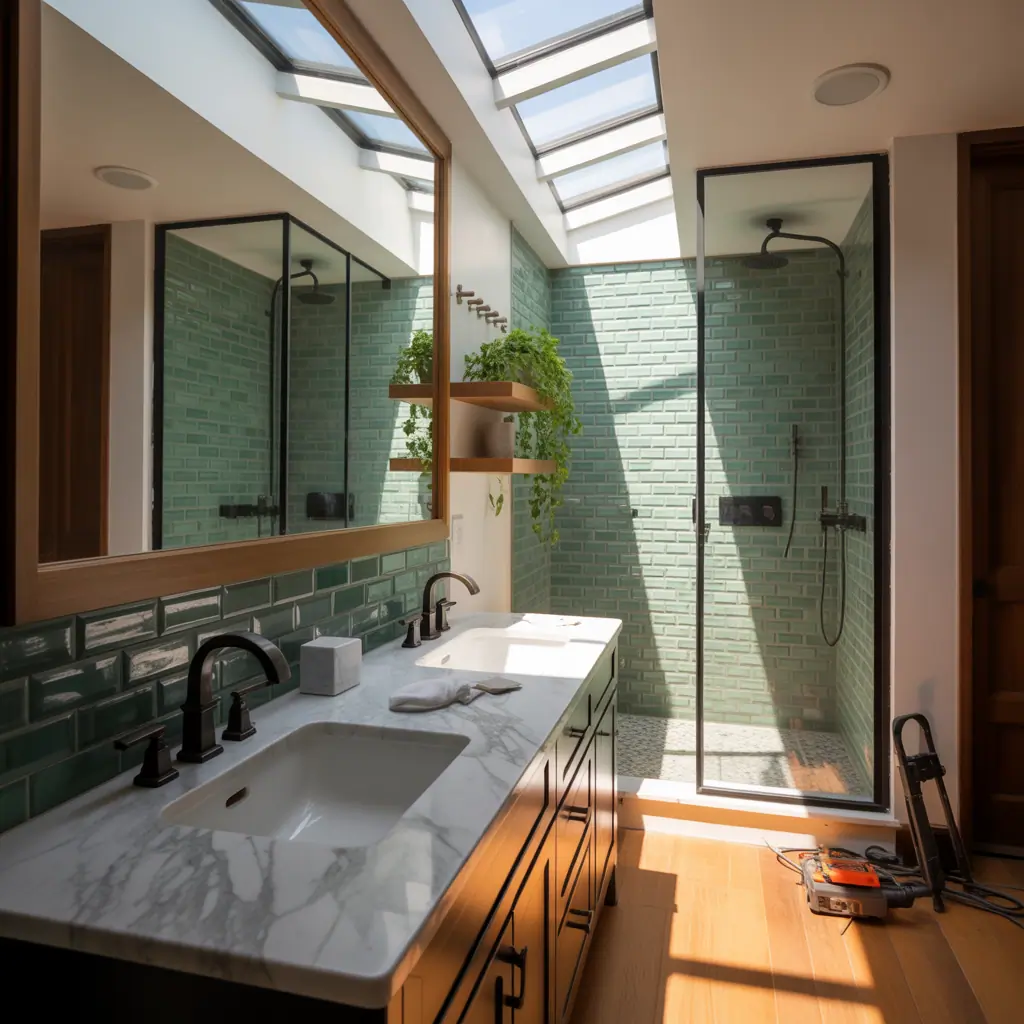
- Coastal Calm: Pale blue, sandy beige, sea-glass green. Great for bathrooms and beachy bedrooms.
- Modern Contrast: Charcoal gray, crisp white, bold mustard accent. Use in kitchens and contemporary living spaces.
- Farmhouse Pastels: Dusty rose, muted sage, antique cream. Lovely for dining rooms and cozy nooks.
- Rich Jewel Tones: Emerald, deep navy, brass accents. Perfect for statement rooms and accent walls.
Want more curated ideas for reimagining your home? Browse our home design ideas for room-by-room inspiration and mood boards.
Best Color Palette for Small Rooms and Open-Plan Spaces
Small rooms benefit from a light, unified palette to visually expand the space. Use cool neutrals and soft pastels as dominant colors, then layer texture to add depth without clutter. In open-plan homes, create harmony by repeating one or two colors through adjoining areas and varying finishes—think a matched neutral wall color with different accent hues in each zone.
Frequently Asked Questions
1. How many colors should I include in a color palette?
Stick to 3–5 colors for a cohesive look: one dominant neutral, one secondary color, one or two accents, and possibly a coordinating shade for trim or cabinetry. This keeps the scheme balanced and flexible.
2. How do I test paint colors in different lighting?
Paint large swatches on poster board or directly on walls and observe them during morning, afternoon, and evening light. Check under both warm (incandescent) and cool (LED) bulbs to see how undertones shift.
3. Can a color palette help increase my home’s resale value?
Yes—neutral, well-coordinated palettes appeal to more buyers. Choose subtle, modern neutrals as your base and use tasteful accents to demonstrate a well-maintained, move-in-ready space.
Conclusion — Start Your Color Palette Project Today
Choosing the right color palette is one of the most impactful DIY improvements you can make—affordable, relatively quick, and instantly transformative. Use the steps above to pick a thoughtful paint color scheme, test samples carefully, and then tackle a room makeover with confidence. Ready to get started? Explore simple weekend projects on our DIY projects page and take the first step toward a more beautiful home.
Which room will you transform with a new color palette this month? Share your plans and questions below—let’s create something beautiful together.
For more home maintenance tips that can help you prepare for the wet season, check out Dont Let the Rain Catch You Off Guard Home Maintenance Tips for the Wet Season.
For more tips on how to choose a color palette for your home, check out our guide on Company Let vs Ast for Landlords
For more tips on making your living space feel larger, check out our guide on Company Let vs Ast for Landlords