Picture this: it’s a sunny Saturday, the kids are at soccer practice, and you’ve finally cleared a weekend for that long-talked-about exterior update. You stand on the driveway and ask yourself the big question — what color will make our wood house feel like home and actually increase curb appeal? Choosing colors for wooden exteriors can feel overwhelming, but with the right plan and a few solid DIY tips, your house can go from tired to timeless in one weekend (or one careful weekend project and a follow-up coat).
Why color matters: curb appeal, protection, and personality
Whether you’re working with cedar shingles, clapboard siding, or reclaimed barn wood, the right color scheme does three important things: protects the wood (via paint or stain), enhances curb appeal, and expresses your style. From modern farmhouse whites to moody charcoal stains, you can tailor palettes to neighborhood rules, climate considerations, and maintenance willingness.
Top color ideas for wood houses
Below are versatile paint color schemes and stain ideas that work on wooden homes of any era. Each section includes practical DIY tips and design inspiration to make the choice easier.
1. Classic White and Soft Trim — Clean, coastal, timeless
Best for: Cottage, coastal, and farmhouse-style wood houses.
- Main color: Soft white or warm off-white (e.g., cream, eggshell)
- Trim: Pale gray or light navy for contrast
- Accent: Natural wood front door or black hardware
DIY tip: Use a high-quality exterior acrylic paint and a satin finish on siding for durability. For wood doors, apply an exterior-grade oil-based stain to highlight grain while protecting from the elements.
2. Deep Charcoal or Navy — Modern, dramatic, low-maintenance
Best for: Contemporary cabins, urban homes, and modern farmhouse conversions.
- Main color: Charcoal gray or deep navy
- Trim: Crisp white or matte black
- Accent: Warm wood tones (cedar or walnut door)
Real-world advice: Dark siding masks dirt and can make architectural details pop. However, in very sunny climates, darker colors can absorb heat — choose paint formulated for UV resistance and consider ventilation for attics.
3. Natural Stains — Rustic, low-fuss, highlights wood grain
Best for: Log cabins, Adirondack-style homes, and natural wood facades.
- Options: Clear sealer, honey-toned stain, or rich walnut
- Finish: Semi-transparent stains preserve texture and require retouching every 3–5 years
DIY step-by-step for staining:
- Clean the wood with a mild detergent and pressure-wash if necessary; allow to dry fully.
- Sand rough areas and remove old peeling finishes.
- Apply a wood conditioner if working with softwoods, then stain with a brush or staining pad following wood grain.
- Seal with a UV-protective topcoat for longer longevity.
4. Two-Tone Schemes — Accentuate architectural details
Best for: Victorian, Craftsman, and homes with decorative trim.
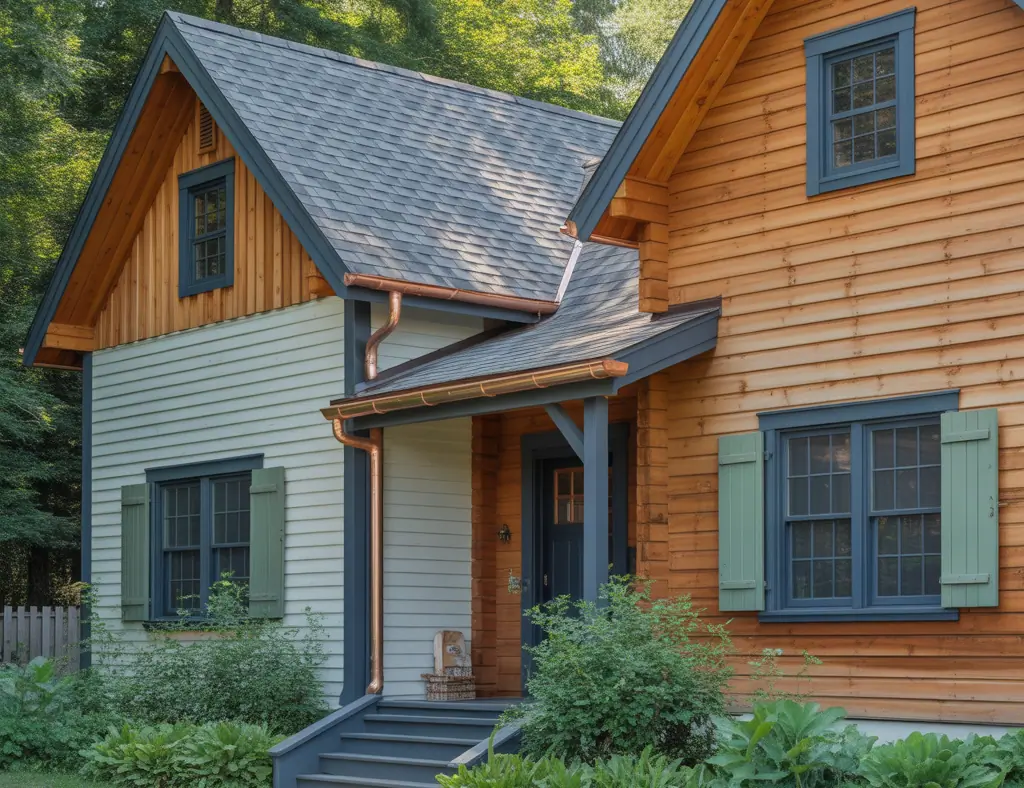
- Example: Sage body with cream trim; or warm taupe body with deep forest green accents
- DIY tip: Use painter’s tape and consult a test board for color pairings before committing.
Step-by-step plan for repainting or restaining your wood house
This simple workflow keeps a DIY repaint or restain manageable and professional-looking.
- Inspect: Check for rot, insect damage, and caulk gaps around windows and trim.
- Prep: Power wash, scrape peeling paint, sand rough spots, and prime bare wood.
- Choose product: Exterior paint (acrylic latex) for full coverage, or semi-transparent stain for grain visibility.
- Paint or stain: Work from top to bottom, use brushes for edges and rollers for large panels. Two coats are usually best.
- Finish: Apply appropriate sealers, clean up, and schedule yearly inspections to touch up chips or peeling areas.
Cost and time: A typical DIY weekend for a small home can be $200–$800 in materials; larger homes or professional labor raise costs. Take weather and drying times into account when scheduling.
Practical design inspiration and color combos
Here are ready-to-use color combinations to spark ideas:
- Warm Beige + White Trim + Teal Door — cozy and inviting
- Soft Sage + Espresso Trim + Natural Wood Accents — farmhouse modern
- Charcoal + Matte Black Trim + Copper Accents — contemporary and bold
- Natural Cedar Stain + Stone Foundation + Black Windows — rustic elegance
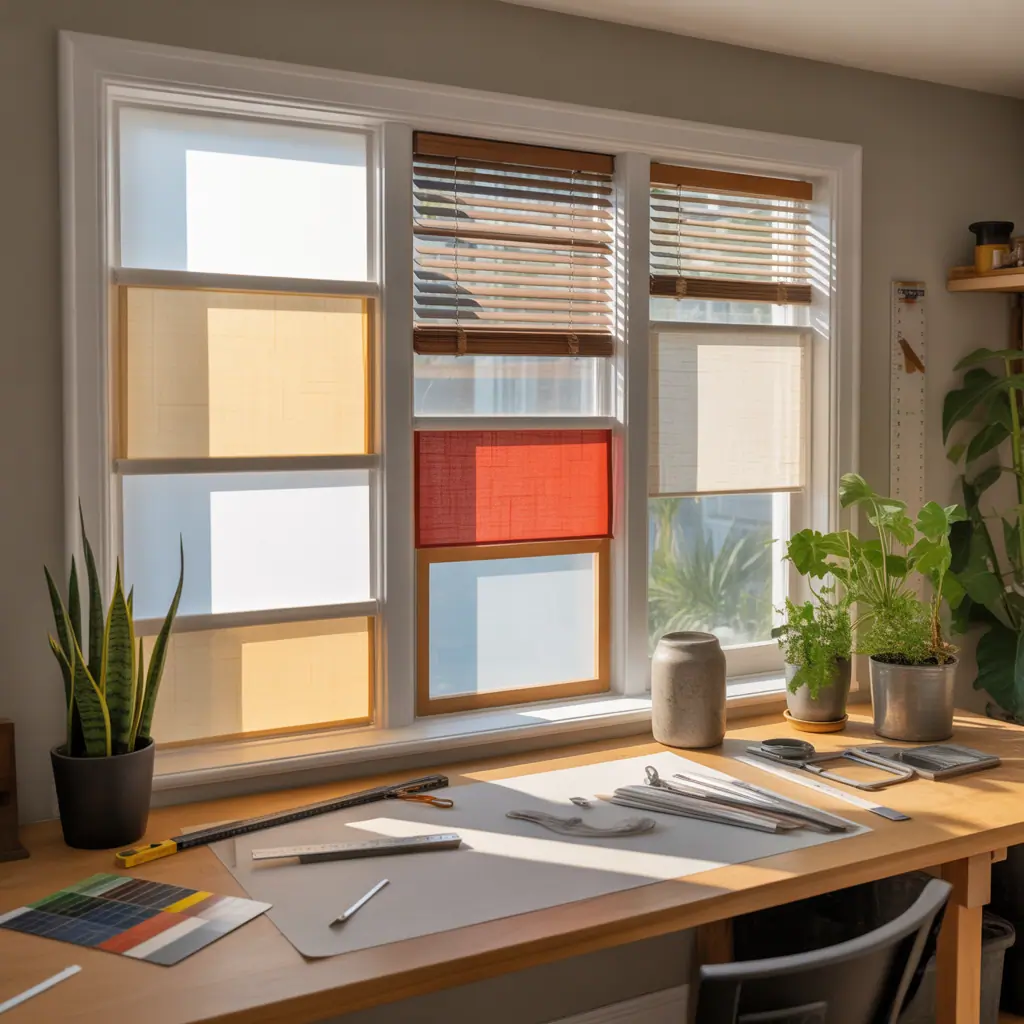
Tip: Paint large sample boards and place them against your house at different times of day. Light alters color dramatically.
Color ideas for wood houses: choosing between paint and stain
When deciding between paint vs stain for wood siding, consider longevity, look, and maintenance:
- Paint: Offers opaque coverage, broader color options, hides imperfections, and lasts 5–10 years depending on prep and climate.
- Stain: Shows wood grain, requires more frequent upkeep (3–7 years), and is ideal for natural, rustic aesthetics.
Maintenance tip: Use mildew-resistant paint in humid climates and reapply stains before water starts beading poorly on the surface.
Quick DIY tools and materials checklist
- Pressure washer or garden hose with scrub brush
- Exterior-grade primer and paint or semi-transparent stain
- Quality brushes, rollers, and extension poles
- Painter’s tape, drop cloths, caulk, sandpaper
- Safety gear: ladder stabilizer, gloves, masks, and protective eyewear
Frequently Asked Questions
1. How do I pick a paint color that complements wood grain?
Choose a paint tone that either contrasts the warmth of the wood (cool grays, blues) or enhances it (warm creams, soft greens). Test swatches directly on your siding and view them at morning and evening light to ensure the grain and undertones harmonize.
2. What’s the best paint finish for wooden exterior siding?
Satin or low-sheen finishes are ideal for wood siding — they resist dirt better than flat finishes and hide surface imperfections more effectively than high-gloss paints.
3. How often should I repaint or restain a wood house?
Repainting typically falls in the 5–10 year range depending on climate and prep work. Restaining usually requires touch-ups every 3–5 years for semi-transparent finishes. Regular inspections and spot repairs extend the life of your finish.
Bringing it together: your next steps
Color ideas for wood houses range from bold, modern palettes to timeless natural stains. Start with a small sample area, follow the step-by-step prep and painting plan above, and don’t be afraid to mix finishes — a painted body with stained accents looks great when done thoughtfully. If you’re ready for hands-on projects, check out our DIY projects for weekend ideas, or browse home design ideas and kitchen upgrades for more inspiration.
Conclusion
Choosing the right color ideas for wood houses is part design decision and part practical maintenance plan. With the right prep, paint or stain choice, and a clear execution plan, you can transform your wooden home into a standout property that lasts. Ready to refresh your exterior? Gather swatches, pick a weekend, and give your wood house the color it deserves — and share your before-and-after to inspire others.
Call to action: Start today by creating a small color test board and scheduling a prep day this weekend — then tell us which palette you picked!