You’re standing in front of your window, paint swatch in hand, wondering why the whole room still looks unfinished. Maybe the walls are perfect, the furniture is placed just so, but the window frames — the casings and sashes — seem to disappear or, worse, clash. Choosing the right window trim color can transform a space faster than replacing furniture. If you’ve ever asked, “What color should I paint my window trim?” you’re in the right place.
Why window trim color matters
Window trim is the frame that accents the view and anchors the walls. The color you choose affects contrast, perceived room size, and the overall style—from modern and minimal to cozy farmhouse. Good color choices highlight architectural details, complement your wall and ceiling tones, and even make window light feel warmer or cooler.
Top color ideas for window trim: room-by-room guide
Below are practical, tested ideas for interior and exterior trim, with suggestions for different design styles and the best paint finishes to use.
Classic interiors: crisp white and off-white
White trim remains a go-to for traditional and transitional homes. Use pure white for high-contrast, modern looks, or choose warm off-whites (ivory or cream) to complement beige or greige walls. Best finish: semi-gloss for easy cleaning and subtle shine.
Modern and dramatic: black or charcoal trim
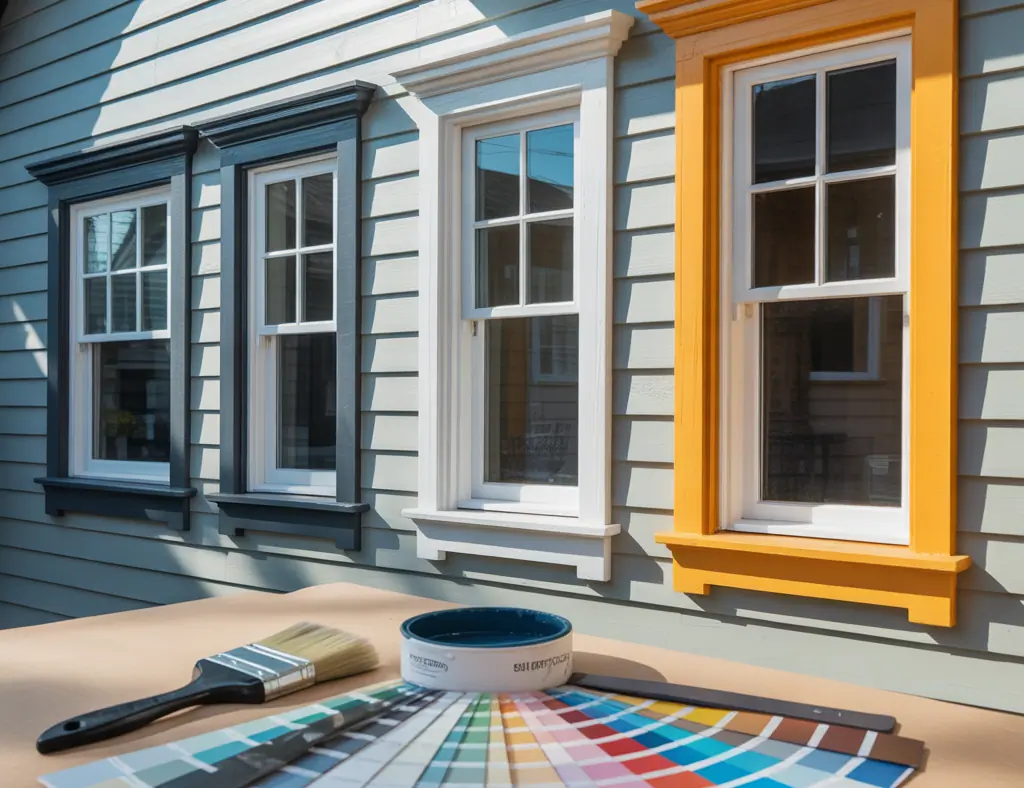
Black or deep charcoal window trim adds bold definition and a contemporary edge. It pairs beautifully with neutral walls, rich jewel tones, or even pale pastels for a striking contrast. This is a favorite for industrial, modern, and Scandinavian-inspired spaces.
Soft and subtle: tone-on-tone trim
For a calm, cohesive look, paint trim a few shades lighter or darker than the wall color. This tone-on-tone approach makes rooms feel larger and more serene—perfect for bedrooms and nurseries.
Warm wood tones and stains
If your home has original wood casings, refinishing with a stain can be more impactful than paint. Rich walnut or honey oak tones add warmth and character. Consider clear finishes for a natural look or tinted varnishes for added depth.
Exterior curb appeal: contrasting trim
For exteriors, choose trims that contrast with siding for instant curb appeal. White trim on colored siding is timeless, while black or dark-green trim gives modern or cottage-style homes a polished look. Don’t forget to coordinate with shutters and doors.
Practical DIY tips: how to paint window trim step by step
Painting trim is one of the most rewarding weekend projects. Follow these steps for clean, professional-looking results.
- Assess and prep: Remove hardware and curtains. Clean the trim with mild detergent to remove dirt, grease, and fingerprints.
- Repair: Fill gaps or nail holes with wood filler or caulk. Sand smooth once dry.
- Protect surrounding surfaces: Use painter’s tape and drop cloths to protect walls, sills, and floors.
- Prime: Apply a high-quality primer, especially over stained wood or darker colors. This improves adhesion and color coverage.
- Choose the right paint: Use a durable acrylic latex trim paint in semi-gloss or satin. For exterior trim, select exterior-grade enamel for weather resistance.
- Paint technique: Start with a brush for edges and corners, then use a mini foam roller for smooth, streak-free surfaces. Apply thin coats and allow proper drying time.
- Finish and clean up: Remove tape before paint fully cures to prevent peeling. Reinstall hardware and touch up any spots as needed.
Design inspiration: pairing trims with walls, floors, and accents
Use these pairings as starting points for your color decisions:
- Walls: Soft gray walls + white trim for a clean, contemporary look.
- Floors: Dark hardwood floors + warm wood stain trim for continuity.
- Accents: Bold-colored doors or shutters + neutral trim for balanced drama.
- Kitchen upgrades: Bright cabinets + contrasting trim to frame windows and enhance natural light (see more on kitchen upgrades).
Mixing metals and trims
Coordinate trim color with metal finishes (doorknobs, lighting). Warm trim tones pair well with brass or bronze, while black or white trims match matte black or nickel fixtures.
Common pitfalls and how to avoid them
Avoid these mistakes to prevent a costly repaint:
- Choosing colors based on small swatches—always test full-size samples in different light conditions.
- Skipping primer on stained or dark trim—this often leads to poor coverage and more coats.
- Using flat paint on trim—flat finishes scuff easily and are hard to clean.
Quick ideas for small-budget updates
If you want big impact with limited time or funds:
- Paint only the interior facing edge (the reveal) for a subtle update.
- Create a faux frame by painting a narrow border around the window in a complementary color.
- Refinish instead of painting: clean and apply a tinted varnish for wood trim refresh.
- Swap outdated hardware like sash locks and latches for an instant style boost.
Frequently Asked Questions
1. What is the best paint finish for window trim?
Semi-gloss is the most recommended finish because it’s durable and easy to wipe clean. Satin also works if you prefer less shine. Avoid flat finishes on trim because they stain and scuff easily.
2. How do I choose the right color for window trim?
Consider the architectural style, wall color, and desired contrast. Test paint samples in multiple lighting conditions and view them at different times of day. For a cohesive feel, choose trims that either contrast strongly (white vs. dark walls) or follow a tone-on-tone approach for subtlety.
3. Can I paint window trim myself or should I hire a pro?
Anyone comfortable with basic tools can paint trim with good results. Allow time for prep (sanding, caulking, priming) and use quality brushes/rollers. Hire a pro if you have complex architectural details, high windows, or if the trim has lead paint concerns.
Final thoughts and next steps
Choosing color ideas for window trim might seem small, but it’s one of the highest-impact design moves you can make. Whether you opt for crisp white, bold black, warm stains, or tone-on-tone subtlety, the right trim color pulls a room together. Ready to try a weekend project? Start by ordering a few sample pots and testing them at different times of day.
For more inspiration and step-by-step projects, check out our pages on DIY projects and home design ideas. If you want help choosing the perfect trim color for your home, leave a comment or sign up for a design checklist to get started.
Call to action: Pick one window this weekend and transform it—test three trim colors, follow the prep and paint steps above, and share your before-and-after photos to inspire others!