Ever stared at an empty corner, a plain kitchen backsplash, or a stack of sad plastic planters and wondered how to give your space personality without hiring a contractor? Imagine turning a lazy Sunday into a transformation using simple clay ideas—handmade planters, custom tiles, or one-of-a-kind decorative accents that look boutique but cost a fraction. Whether you’re a weekend DIYer or a design-savvy homeowner, clay offers endless ways to upgrade rooms, personalize gifts, and practice practical sculpting skills.
Why clay is an ideal material for DIY home improvements
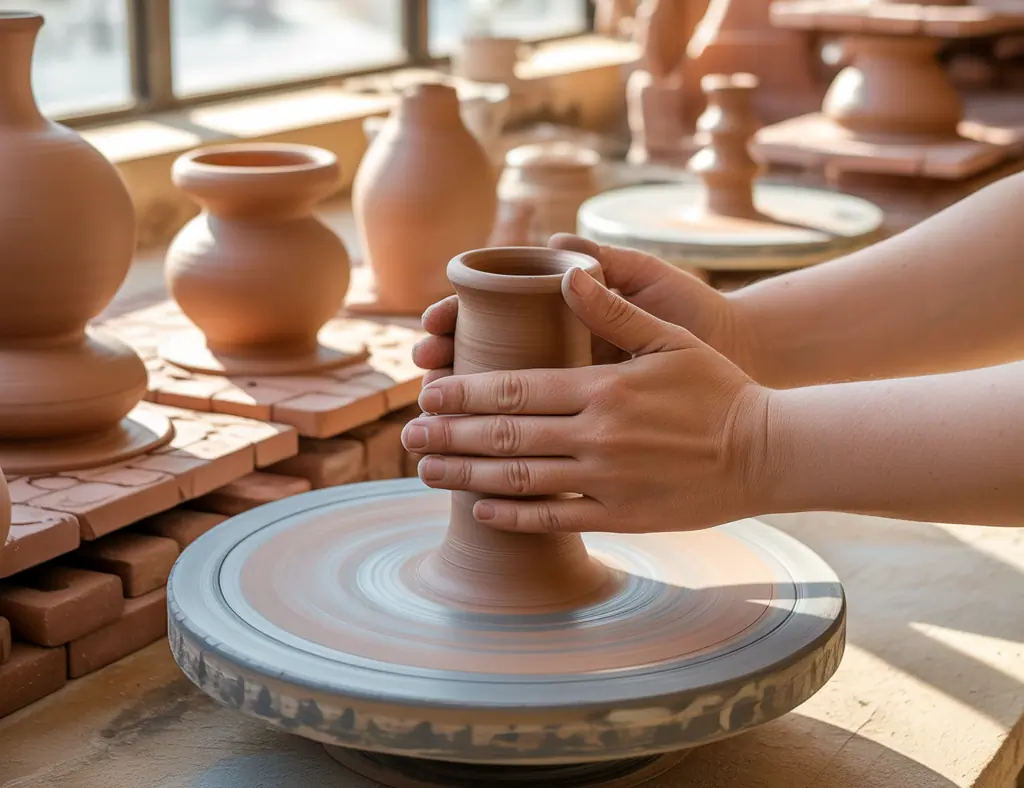
Clay is forgiving, inexpensive, and versatile. From air-dry clay to polymer clay to traditional kiln-fired ceramics, each type has strengths for different projects. Terracotta and earthenware bring warmth and natural texture; polymer clay delivers fine detail for small objects; and air-dry clay is perfect for quick decorative pieces. These clay materials are great for creating durable planters, decorative tiles, coasters, and even accent wall tiles when sealed properly.
Benefits at a glance
- Affordable and widely available
- Customizable shapes, textures, and finishes
- Easy to learn techniques for beginners
- Durable when sealed—suitable for indoor and some outdoor use
Creative clay ideas for your home
Below are practical, step-by-step clay projects divided by space and skill level. Each project lists materials, time, and a simple process so you can start today.
1. Rustic clay planters (Beginner)
Bring plants closer to your style by making terracotta-style planters from air-dry clay or real terracotta. These are great for kitchen herbs, succulents, or as window sill accents.
- Materials: air-dry clay or terracotta pots, sandpaper, acrylic paint or clay stain, sealer
- Steps:
- Tip: For drainage, add a layer of small pebbles before soil to keep roots healthy.
2. Handmade clay tiles and backsplash accents (Intermediate)
Replace one row of your kitchen backsplash with custom clay tiles to create a focal point. Make a test batch using kiln-fired clay if you want a true ceramic finish; otherwise, use polymer clay sealed with a high-gloss varnish for a faux ceramic look.
- Materials: tile clay or polymer clay, rolling pin, cutter, glaze or varnish, tile adhesive, grout (if using thin ceramic tiles)
- Steps:
- Tip: Mix matte and glossy finishes for modern contrast.
3. Simple clay coasters and trivets (Quick gift idea)
These are perfect for a quick weekend project and make excellent personalized gifts.
- Materials: air-dry or polymer clay, cork pads, sealer
- Steps:
Tools, materials, and safety tips for working with clay
Having the right tools makes a major difference. Invest in a basic clay kit: rolling pin, cutting tools, texture stamps, sponge, sandpaper, and a reliable sealer. For kiln-fired ceramics, local studios often rent kiln time and provide firing services.
Safety and maintenance
- Avoid inhaling clay dust—clean surfaces with a damp cloth rather than dry sweeping.
- Use gloves when handling glaze chemicals or strong sealers.
- Seal any clay used in kitchens or bathrooms to prevent moisture penetration and staining.
Design inspiration: colors, textures, and placement
Clay’s natural earthy tones pair beautifully with woods, brass, and deep greens. For a modern look, go matte white or soft gray with minimalist shapes. For boho or Mediterranean style, embrace terracotta, hand-painted motifs, and scalloped edges.
- Combine terracotta planters with brass pots for warmth.
- Use textured clay tiles behind open shelving to draw the eye.
- Cluster small clay vases of varying heights as a coffee table vignette.
Practical real-world tips for success
- Start small—practice shapes on scrap clay before committing to a full tile run.
- Keep a notebook of measurements and bake times for repeatable results.
- If installing clay tiles in high-moisture areas, opt for true ceramic and professional installation.
- Use color swatches in natural light before finishing to ensure your glaze matches your room palette.
Frequently Asked Questions
1. What type of clay is best for beginners?
Air-dry clay is the best starting point for beginners because it requires no kiln or oven and is forgiving while you learn basic shaping and texturing techniques. Polymer clay is great for small detailed pieces and also cures in a standard oven.
2. Can clay projects be used outdoors?
Some clay projects can be used outdoors if they are made from frost-resistant ceramic clay and properly glazed and sealed. Air-dry and polymer clays are generally not suitable for long-term outdoor exposure unless specially sealed and kept in a protected area.
3. How do I seal clay for kitchen use?
Use a food-safe ceramic glaze if the piece will contact food, or a waterproof, non-toxic sealer for decorative items. Always follow manufacturer guidelines for curing and sealing, and consult a professional for items intended for direct food contact.
Ready to try these clay ideas?
Clay offers countless ways to customize your home—whether you want an easy planter project for a weekend or a striking tile accent that changes a whole room. Start with one small project today: make a tester piece, refine your technique, then scale up to a custom backsplash or a matching set of planters. For more step-by-step inspiration, check out our DIY projects, find complementary materials in our kitchen upgrades section, or browse styling tips on our home design ideas page.
Which clay project will you try first? Share your plans, and tag a friend who needs this weekend DIY challenge—let’s get creative, one clay piece at a time!