The Foundation of Strength: Core Materials for Durable Home Construction
Building a home that stands the test of time begins with the fundamental materials chosen for its construction. These choices not only dictate the structural integrity and aesthetic appeal but also profoundly impact the home’s lifespan, environmental footprint, and long-term maintenance requirements. We understand that selecting the right materials is a complex decision, one that balances initial cost with enduring value. Our goal is to provide insights into how materials science, when coupled with proper construction techniques, ensures a resilient home.
Concrete and Masonry: The Solid Standbys
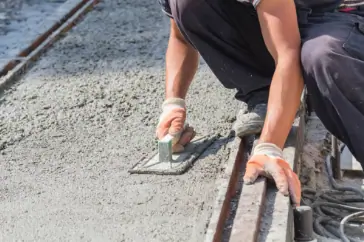
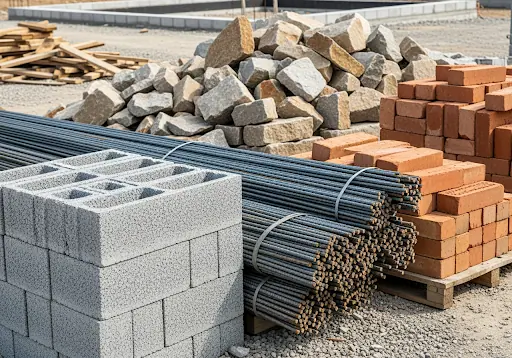
Concrete, an aggregate of stones and sand mixed with a binder like cement and water, is a cornerstone of durable construction. Its exceptional compressive strength makes it ideal for foundations, slabs, and structural elements. The pivotal realization in 1860 that concrete could be reinforced with steel rods or mesh dramatically improved its tensile strength, changing it into a versatile and economical choice for walls, beams, and frames. This reinforced concrete is incredibly resilient, offering superior fire resistance and thermal mass that contribute to energy efficiency.
Masonry, including brick and natural stone, has been used for millennia, demonstrating its ability to withstand harsh weather and resist fire. Brick, one of the oldest building materials, offers enduring beauty and protection. Natural stone, when properly cut and installed, provides unparalleled strength and a timeless aesthetic. Both brick and stone excel in thermal mass, helping to regulate indoor temperatures. However, proper moisture management is crucial for masonry, as issues like efflorescence or water penetration can arise if not adequately addressed during construction and maintenance.
Steel Framing: Industrial Strength for Residential Homes
Introduced during the Industrial Revolution, steel has remained a reliable and durable material. Its high strength-to-weight ratio makes it an excellent choice for beams and entire structural frameworks, capable of withstanding significant loads and stresses. Steel offers numerous advantages: it’s impervious to pests like termites, non-combustible, and highly recyclable, contributing to a lower environmental impact over its lifecycle. Its dimensional stability prevents warping, shrinking, or cracking, ensuring the long-term integrity of the structure. Prefabricated steel components can also accelerate construction timelines, enhancing efficiency. While strong, considerations for fire performance in specific applications and potential corrosion in certain environments must be addressed through proper design and coatings.
The Enduring Appeal of Durable Wood Construction
Wood, a traditional building material, remains a popular choice for its natural beauty, renewability, and unique properties. Modern advancements in engineered wood products have further improved their durability and performance, allowing for greater structural capabilities and consistency. For those seeking homes with a proven track record of resilience and charm, Durable Log Home Construction quality log home packages offer a unique blend of strength and aesthetic appeal. Log homes, for instance, have a remarkable history of withstanding moisture, sun, pests, and even extreme weather events like earthquakes or tornadoes, with some structures lasting for centuries.
The durability of wood often depends on the species chosen and how it’s prepared. For example, the heartwood of northern white cedar is naturally rot- and insect-resistant. Proper drying methods, such as natural air-drying, are crucial to minimize shrinking, cracking, and warping. Furthermore, sophisticated construction techniques, including precise joinery and advanced sealing systems, create weather-tight envelopes that protect against the elements. Effective moisture control, through design features like wide roof overhangs and proper drainage, is paramount to maximizing wood’s longevity.
Innovative Panels: SIPs and ICFs
Emerging as frontrunners in high-performance construction are Structural Insulated Panels (SIPs) and Insulated Concrete Forms (ICFs). These materials offer a compelling combination of durability, energy efficiency, and accelerated construction.
- Structural Insulated Panels (SIPs): These panels consist of an insulating foam core sandwiched between two structural facings, typically oriented strand board (OSB). SIPs create an incredibly strong, airtight building envelope with high R-values, leading to significant energy savings and consistent indoor temperatures—their precision manufacturing results in less material waste and faster assembly times. SIPs are also noted for their resilience against high wind loads, making them a durable choice in storm-prone areas.
- Insulated Concrete Forms (ICFs): ICFs are hollow foam blocks that interlock to form permanent molds for reinforced concrete. Once filled with concrete and rebar, they create monolithic walls that are exceptionally strong, providing superior insulation, sound dampening, and fire resistance. ICFs are arguably among the most durable options available, combining the strength of steel-reinforced concrete with continuous insulation. They are highly resistant to extreme weather, including hurricanes and earthquakes, and offer excellent protection against pests and mold.
Building for Resilience: Weather and Seismic-Proofing Your Home
In an era of increasingly extreme weather events, designing homes with resilience in mind is no longer a luxury but a necessity. Proactive design and construction strategies are essential to protect our homes and families from the forces of nature, whether it’s high winds, torrential rains, or seismic activity.
Designing for High Winds and Storms
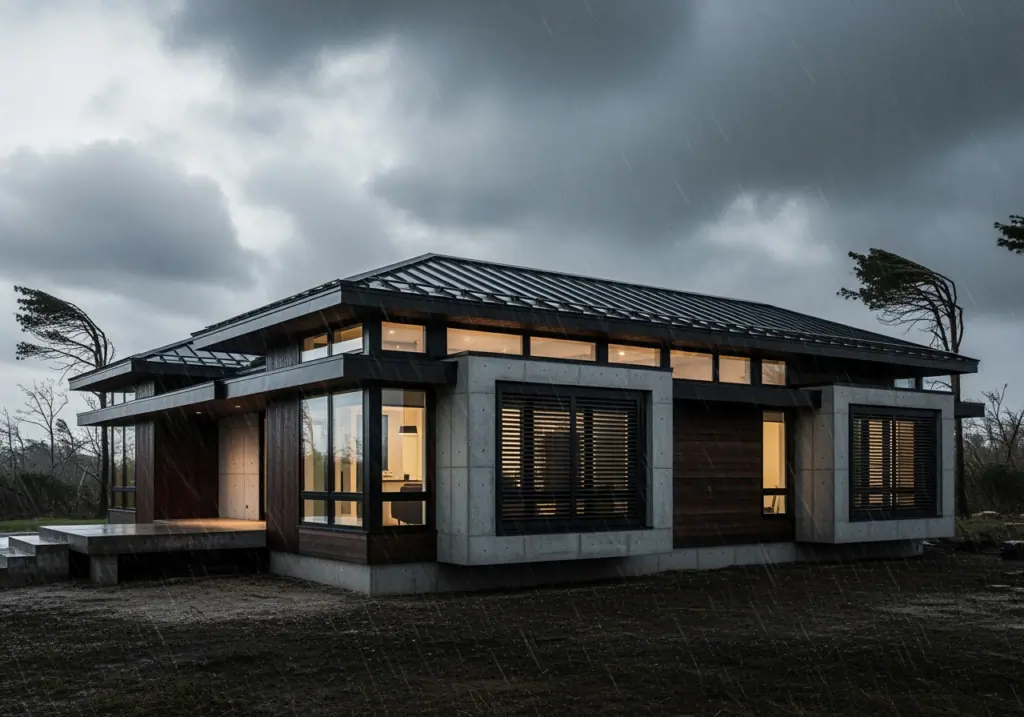
Weather-resistant homes are specifically designed and built to withstand extreme conditions like hurricanes, tornadoes, floods, and high winds. This involves a multi-faceted approach to structural integrity and moisture management.
- Roof Design and Reinforcement: A hip roof, with slopes on all four sides, generally performs better in high winds than a gable roof. Metal roofs are also highly durable and wind-resistant. Crucially, hurricane ties, metal connectors that reinforce the connection between roof trusses and exterior walls, are vital for preventing roof uplift during severe storms. Proper roof ventilation is also important to avoid moisture buildup and ice dams in colder climates.
- Impact-Resistant Openings: Windows and doors are often vulnerable points. Impact-resistant windows, similar to auto glass, can withstand direct impacts from flying debris. For added protection, storm shutters can be installed over windows and doors. Reinforced garage doors are also critical, as garage door failure can lead to catastrophic structural damage from wind pressure differentials.
- Foundation and Drainage: A reinforced foundation, typically with steel rebar, provides a strong anchor for the entire structure. Effective site grading that slopes away from the building, along with proper water drainage systems like French drains, prevents water from pooling around the foundation and potentially compromising its integrity.
- Weather-Resistant Siding: Materials like steel-reinforced concrete or fire-resistant steel siding offer superior protection against wind-driven rain and fire.
Key Principles for Durable Home Construction in Seismic Zones
In earthquake-prone regions, specific design and construction principles are paramount to ensure structural integrity and occupant safety. The goal is not necessarily to prevent all damage, but to ensure the building remains standing and allows for safe egress.
- Continuous Load Path: This is the most critical principle. It means that all structural elements from the roof through the walls to the foundation are securely connected to transfer seismic forces to the ground. This prevents sections of the house from detaching during an earthquake.
- Shear Walls: These are specially designed walls that resist lateral (sideways) forces characteristic of earthquake shaking. They are typically made of plywood or OSB sheathing securely fastened to the framing.
- Foundation Anchoring: The house must be securely anchored to its foundation to prevent it from sliding off during an earthquake. Anchor bolts, hold-downs, and other connectors are used for this purpose.
- Building Configuration: Irregular building shapes, such as L- or T-shaped plans, or designs with “soft stories” (e.g., large open spaces on the ground floor with little structural support), can concentrate seismic forces and make buildings more vulnerable. Regular, symmetrical designs with uniform mass and stiffness distributions perform better.
- Flexible Materials: While strong, materials should also exhibit some ductility, meaning they can deform without fracturing. Wood-frame construction, for example, can effectively absorb and dissipate seismic energy.
- Adherence to Seismic Codes: Strict compliance with local building codes, including the International Residential Code (IRC) for specific Seismic Design Categories, is non-negotiable. For higher-risk areas, exceeding minimum code requirements with “above-code” measures can significantly improve resilience. The FEMA Homebuilder’s Guide to Earthquake-Resistant Design and Construction provides invaluable insights for builders and homeowners alike.
Securing Your Perimeter: Roofing and Fencing for Longevity
Beyond the core structure, the exterior elements of a home, its roof and its fencing, play critical roles in its overall durability, protection, and aesthetic appeal. These components act as the first line of defense against environmental factors and contribute significantly to curb appeal and property value.
Choosing a Roof That Lasts a Lifetime
The roof is arguably the most critical component of a home’s protective envelope. Choosing a durable roofing material and ensuring its proper installation are key to long-term performance.
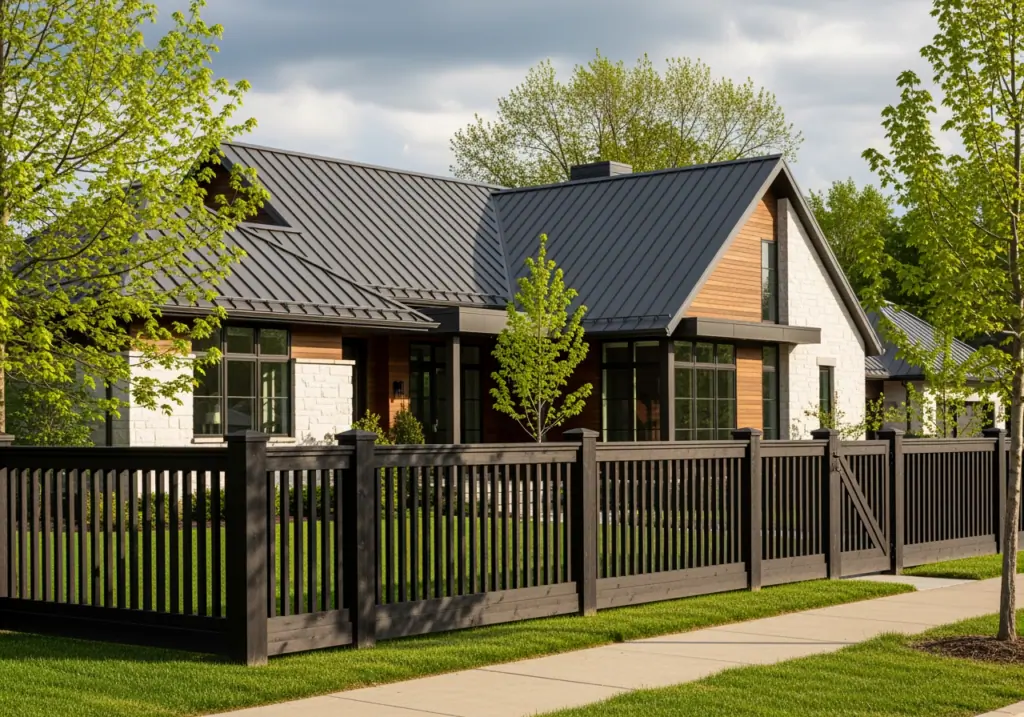
- Metal Roofing: Known for its exceptional longevity (often 50+ years), metal roofing is highly resistant to fire, wind, and impact. It’s also energy-efficient, reflecting solar radiant heat. While the upfront cost can be higher, its extended lifespan and minimal maintenance often provide a superior return on investment.
- Slate and Tile: These materials offer unparalleled durability and a distinctive aesthetic. Slate roofs can last for over a century, while concrete and clay tiles also boast impressive lifespans (50+ years) and excellent fire resistance. They are heavy, however, requiring a robust underlying structure.
- High-Quality Architectural Shingles: While traditional asphalt shingles have a shorter lifespan, high-quality architectural or laminated shingles offer improved durability, better wind resistance, and a more dimensional appearance. Their lifespan can range from 25 to 50 years, depending on the product and climate.
- Proper Installation and Ventilation: Regardless of the material, proper installation by certified professionals is crucial. This includes appropriate underlayment, flashing, and fastening techniques. Adequate roof ventilation is also essential to prevent moisture buildup in the attic, which can lead to rot, mold, and premature degradation of roofing materials. For existing structures, considering durable roof rejuvenation can extend the life of your current roof, offering a cost-effective alternative to full replacement.
Fencing Solutions That Stand the Test of Time
A durable fence provides security and privacy, defines property boundaries, and enhances the home’s exterior. The best choice depends on desired aesthetics, function, and the local climate.
- Wood Fencing: While offering a classic, natural look, wood requires regular maintenance (staining, sealing) to resist rot, pests, and weathering. Certain wood species, such as cedar and redwood, have natural resistance to decay.
- Vinyl Fencing: A low-maintenance option that resists rot, pests, and does not require painting. Vinyl is durable and comes in various styles, though it can be susceptible to cracking in extreme cold or impact.
- Composite Fencing: Made from a blend of wood fibers and plastic, composite fencing offers the look of wood with improved durability and reduced maintenance compared to traditional wood. It resists rot, insects, and splintering.
- Metal Fencing: Wrought iron, aluminum, and steel fences offer superior strength and security. They are highly durable, resistant to pests and rot, and require minimal maintenance, often only occasional painting or touch-ups for rust prevention. When exploring durable fence solutions, it’s important to consider post installation depth and material quality to ensure stability against wind and ground movement.
Assessing and Enhancing Your Existing Home’s Durability
Many homeowners inherit existing homes with varying levels of durability. Fortunately, there are strategic ways to assess and improve the resilience of these structures, extending their lifespan and protecting your investment. This process often involves a combination of thorough inspection and targeted retrofits.
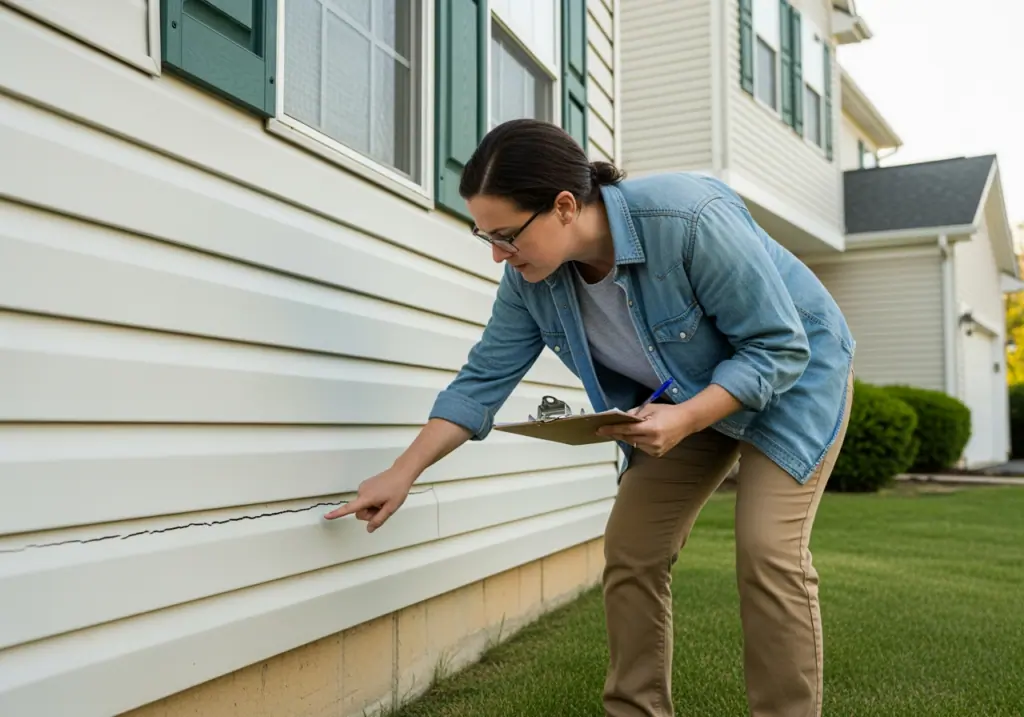
Conducting a Home Durability Audit
A comprehensive audit helps identify vulnerabilities and prioritize upgrades. We recommend focusing on key areas that are critical to a home’s protective envelope and structural integrity.
- Foundation Cracks: Inspect the foundation for any visible cracks, shifting, or signs of water intrusion. Even hairline cracks can indicate underlying issues or allow moisture penetration.
- Siding and Masonry: Check exterior cladding for signs of wear, damage, rot, loose boards, or compromised mortar joints. These can be entry points for moisture and pests.
- Roof Condition: Examine shingles for curling, cracking, missing pieces, or excessive granule loss. Inspect flashing around chimneys, vents, and valleys for signs of deterioration. Please pay attention to gutters and downspouts to ensure they are clear and properly directing water away from the foundation.
- Window and Door Seals: Look for drafts, water stains, or visible gaps around window and door frames. Compromised seals can lead to energy loss and water infiltration.
- Drainage and Grading: Observe the landscaping around your home. Does the ground slope away from the foundation? Are there areas where water pools after rain? Proper grading is crucial for directing surface water away from the structure.
- Attic and Crawlspace Moisture: These often-overlooked areas can reveal significant moisture problems. Look for signs of mold, mildew, water stains, or pest activity, which can indicate leaks or inadequate ventilation.
Strategic Upgrades for a Stronger Home
Once vulnerabilities are identified, strategic upgrades can significantly improve a home’s durability and resilience.
- Sealing the Building Envelope: Air sealing and insulation are fundamental. Sealing gaps and cracks in the attic, around windows and doors, and in the crawlspace prevents air and moisture infiltration, improving energy efficiency and preventing hidden damage.
- Retrofitting Structural Connectors: For homes in seismic or high-wind areas, retrofitting with structural connectors like hurricane ties or foundation anchor bolts can dramatically improve resistance to extreme forces. Reinforcing cripple walls (short walls between the foundation and the first floor) is also a common seismic upgrade.
- Window and Door Upgrades: Replacing old windows and doors with energy-efficient, impact-resistant models not only improves protection but also reduces energy costs.
- Improving Site Drainage: Simple landscaping adjustments, such as adding soil to create a proper slope away from the foundation, or installing French drains, can effectively manage surface water and protect the basement or crawlspace from moisture damage.
Conclusion: Building a Legacy of Strength and Security
Investing in durable home construction is a decision that pays dividends for generations. We have explored the essential pillars of a truly resilient home: from the foundational strength of materials like concrete and steel, to the innovative performance of SIPs and ICFs. We’ve also highlighted the critical importance of resilient design against weather and seismic events, and the role of robust roofing and secure fencing in protecting your property.
The long-term benefits are clear: improved safety for your loved ones, significantly reduced upkeep and repair costs, and a home that retains its value and structural integrity for decades. By prioritizing quality materials, employing expert construction techniques, and committing to diligent maintenance, we can create homes that are not just shelters, but lasting legacies of strength and security.
We encourage you to consult with building professionals who understand the nuances of durable construction and can help you make informed decisions for your home, whether you’re building new or enhancing an existing structure.
Apart from that, if you want to know more about The 5 Most Common Causes of Roof Repair then visit our Roof Repair category.
Frequently Asked Questions about Durable Construction
While many factors contribute to a durable home, we believe the most important is a combination of high-quality materials and proper construction techniques. Even the strongest materials can fail if installed incorrectly, and the best craftsmanship can’t compensate for substandard materials. A resilient design that considers a continuous load path and professional installation ensures that the home’s components work together effectively to withstand environmental stresses.
Absolutely. In fact, we see durability as a cornerstone of sustainability. A home that lasts longer reduces the need for frequent replacements, minimizing the environmental impact associated with raw material extraction, manufacturing, and transportation. Environmentally friendly, durable materials often include:
Sustainable Materials: Such as reclaimed wood, recycled steel, and rapidly renewable resources like bamboo.
High-Performance Envelopes: SIPs and ICFs create airtight, well-insulated structures that significantly reduce heating and cooling energy consumption, leading to lower lifecycle carbon emissions.
Reduced Waste: Prefabricated and modular construction methods, which often prioritize durability for transport, inherently produce less material waste than traditional stick-built homes.
Maintenance is crucial. Even the most durable materials require proper care to achieve their intended lifespan. Preventive care, such as regular cleaning, sealing, and periodic inspections, helps identify and address minor issues before they escalate into costly repairs. For example, regularly cleaning gutters prevents water damage, and re-sealing wood siding protects against moisture and UV degradation. Diligent maintenance maximizes material longevity, preserves the home’s structural integrity, and ensures its lasting value.