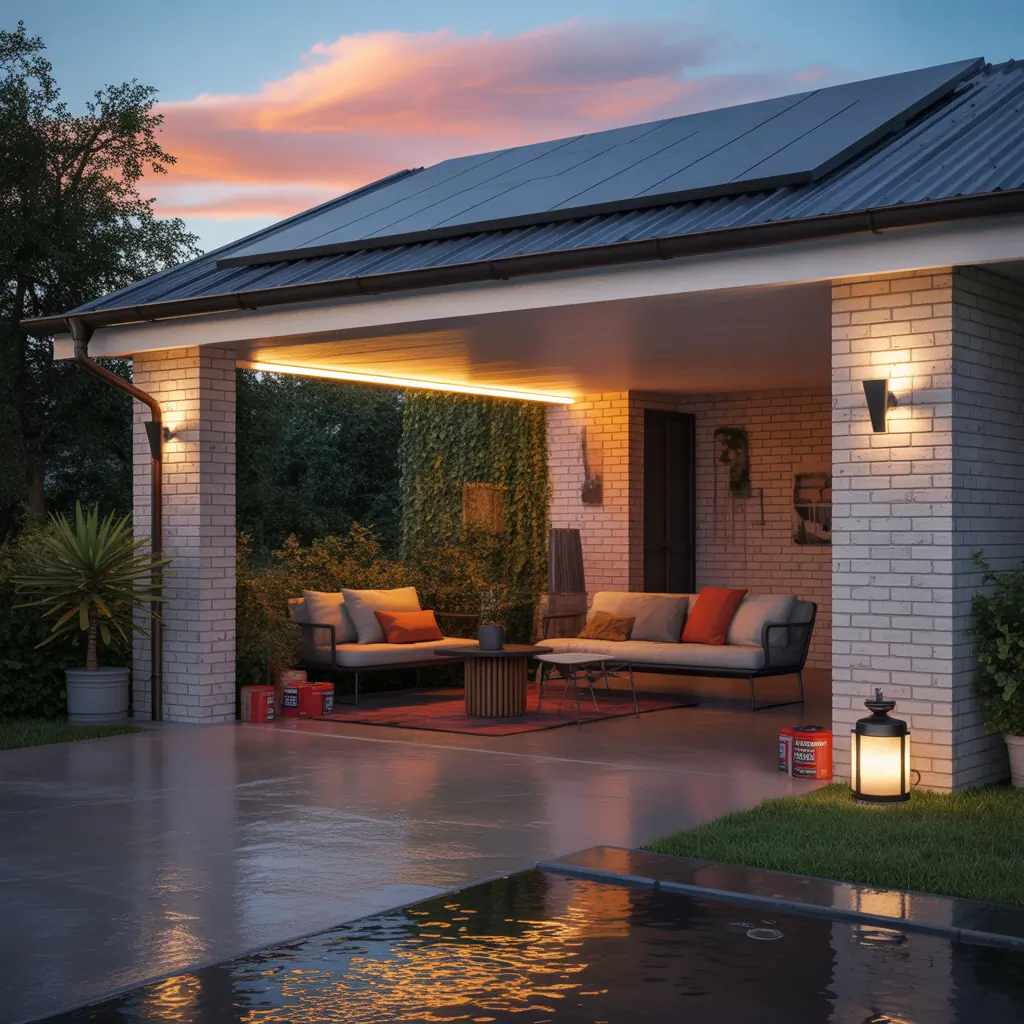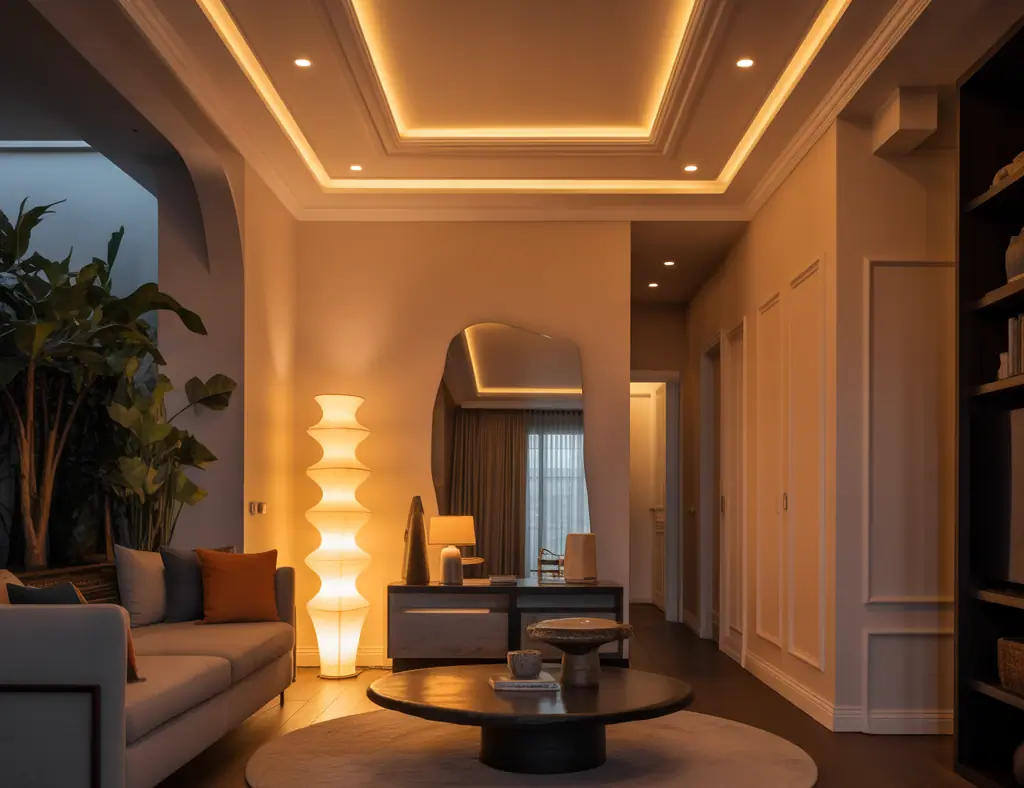
Ever sat in a cozy living room that somehow feels like a cave after sunset? You’re not alone. Whether your apartment has small windows, a north-facing room, or a clutter of heavy curtains, dark rooms can make even the best spaces feel smaller and less inviting. If you’ve been hunting for practical ideas for lighting dark rooms that don’t involve a full renovation, you’re in the right place.
Why lighting matters: small changes, big impact
Good lighting affects mood, usability, and perceived square footage. The right combination of ambient, task, and accent lighting can transform a dim bedroom, windowless hallway, or shaded living area into a bright, welcoming space. Below are straightforward, budget-friendly strategies and realistic DIY tips to help you brighten dim spaces without overwhelming your schedule or budget.
Layer your light: the core principle
Layering light means combining three types of lighting to create a balanced, flexible environment:
- Ambient lighting — overall room illumination (ceiling fixtures, recessed lights).
- Task lighting — focused light for reading, cooking, or working (desk lamps, under-cabinet lights).
- Accent lighting — highlights and mood (wall sconces, picture lights, LED strips).
Start by ensuring at least two layers; add the third for depth and drama.
Practical DIY ideas for lighting dark rooms
1. Brighten with reflective surfaces and paint
Light-reflective paint and finishes are simple low-cost solutions. Choose lighter, warm neutrals or soft whites with a satin or eggshell finish to bounce light. Glossy trims and metallic decor also reflect light back into the room.
2. Use mirrors strategically
Mirrors amplify natural and artificial light. Place a large mirror opposite a window or adjacent to a light source. For narrow hallways, a gallery-wall of mirrors creates the illusion of space and brightness.
3. Plug-in wall sconces and swing-arm lamps (no rewiring)
If rewiring isn’t an option, plug-in wall sconces and swing-arm lamps provide immediate overhead or task lighting without the cost of an electrician. They’re perfect next to beds, above seating areas, or in dim corners.
4. Install LED strips and under-cabinet lighting
LED tape lights are versatile for highlighting architectural features, under cabinets, or behind a TV. They’re energy-efficient and easy to install with adhesive backing and plug-in transformers.
5. Consider recessed or track lighting for a polished look
Recessed cans and flexible track systems give professional-level ambient light and precise direction. These are best for medium renovations — hire a licensed electrician for installation.
6. Skylights and solar tubes for natural daylight
If your budget allows and your roofline permits, skylights or tubular daylighting devices (solar tubes) can instantly brighten windowless rooms with natural sunlight.
Design inspiration: fuse style and function
Here are some design-forward concepts you can try:
- Modern minimal: matte white walls, warm 2700–3000K LED downlights, and a statement floor lamp.
- Cozy reading nook: brass swing-arm wall lamp, textured throw, and a reflective side table.
- Kitchen glow-up: bright under-cabinet LED strips, pendant lights over an island, and light-reflective backsplash tiles. See more kitchen upgrades ideas on our kitchen upgrades page.
Step-by-step DIY lighting project: Add plug-in wall sconces
This simple project gives a dramatic lift to a dim room without electrical permits or wiring.
- Measure and mark: Decide height (usually 60–66 inches from floor to center) and mark two studs for secure mounting.
- Choose fixtures: Select plug-in sconces with an easy-hide cord channel or decorative maple concealer.
- Mount anchors or toggle bolts: Use appropriate anchors if you can’t mount to studs.
- Install and hide the cord: Run the cord down a paintable cord cover to the nearest outlet; paint the cover the same color as your wall for camouflage.
- Install bulbs and test: Use LED bulbs with the right color temperature — 2700–3000K for warm living areas or 3500K for a brighter neutral look.
Result: immediate ambient and accent light that upgrades style.
Lighting technical tips and real-world advice
- Lumens over watts: Look for lumens to judge brightness — for general living areas aim for roughly 20–30 lumens per square foot; task areas need 50+ lumens per square foot.
- Color temperature: 2700–3000K = warm & cozy; 3500–4100K = neutral & bright; 5000K+ = daylight (use sparingly in living spaces).
- Dimmers: Install dimmer switches to make lighting adaptable for different activities and moods.
- Safety: For hardwired projects, always turn off power and consult a licensed electrician for ceiling fixtures or changes to circuits.
Budget-friendly fixes for renters
Renters can improve dim rooms without permanent alterations:
- Clip-on lamps for bookshelves and curtains.
- Stick-on LED puck lights for cabinets and closets.
- Battery-operated picture lights to highlight wall art.
- Removable adhesive cord covers to run plug-in lights neatly.
Ideas for lighting dark rooms — quick checklist
- Assess natural light and choose a dominant light layer to add first.
- Use mirrors and light paint to amplify existing light.
- Add task lighting where you need function (reading, cooking, working).
- Install accent lights for depth and interest.
- Choose the right color temperature and sufficient lumens.
Frequently Asked Questions
1. How can I brighten a dark room without electrical work?
Start with reflective paint, mirrors, light-colored furniture, plug-in lamps, LED strip lights, and battery-operated fixtures. Rearranging furniture to maximize window light and swapping heavy curtains for sheer panels also helps.
2. What color temperature is best for dark rooms?
For most living spaces, a warm white (2700–3000K) feels cozy while still brightening the room. For kitchens and work areas, a neutral white (3500–4100K) provides clearer, brighter light. Avoid overly cool (5000K+) tones in living rooms, which can feel harsh.
3. Are mirrors really effective for brightening rooms?
Yes. Mirrors reflect both natural and artificial light, increasing perceived brightness and space. Positioning a large mirror opposite a window or near a lamp yields the best results.
Conclusion: start small, think layered — and try one project today
Transforming dim rooms doesn’t require a complete overhaul. With a layered lighting plan, a few strategic mirrors, and practical DIY projects like plug-in sconces or LED strips, you can dramatically improve both brightness and atmosphere. Ready to try one of these ideas for lighting dark rooms this weekend? Browse our project ideas and get inspired — check out more DIY projects or explore additional home design ideas to pair lighting upgrades with a bigger refresh.
Call to action: Pick one small lighting project from this list, gather your tools, and give it a weekend — then come back and share your before-and-after. Need help choosing fixtures or planning a layout? Leave a comment or visit our DIY projects and home design ideas pages for more step-by-step guidance.