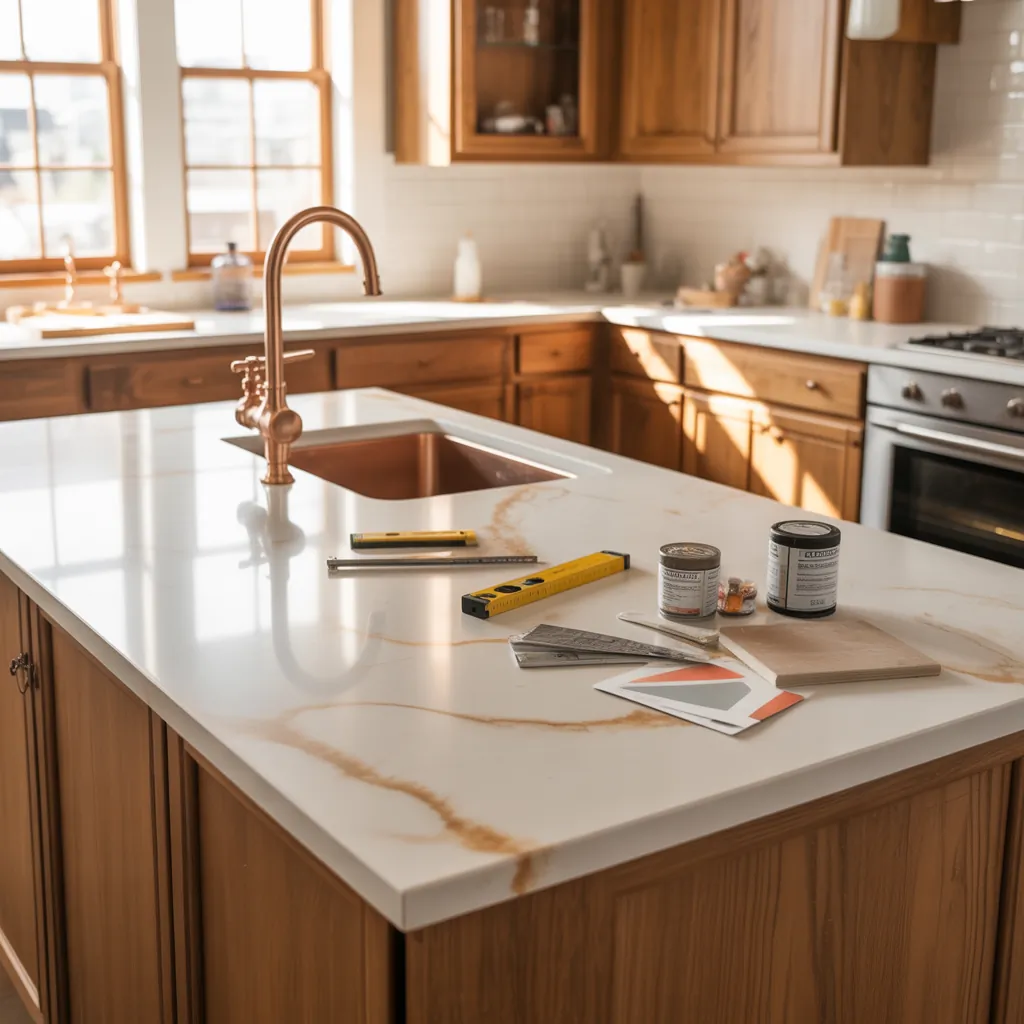
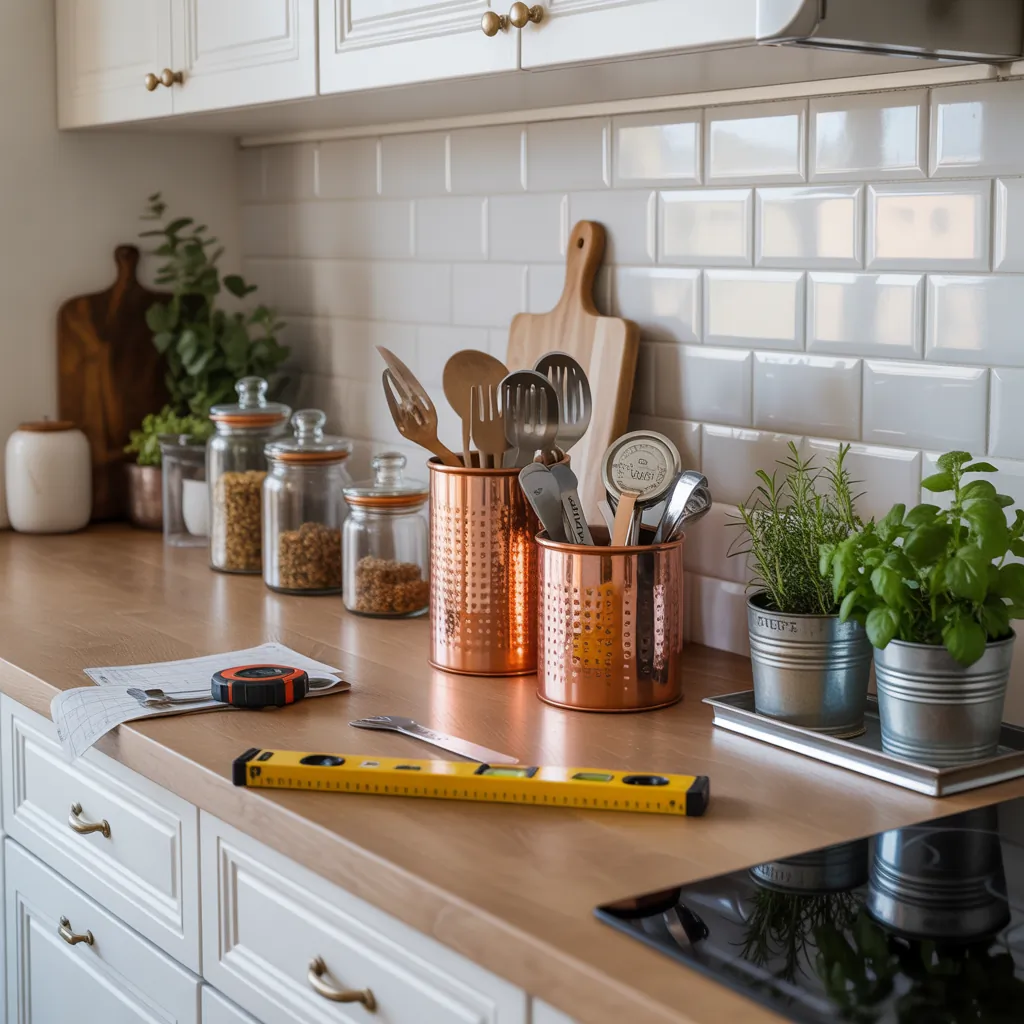
Imagine standing in a tired, cookie-cutter kitchen and realizing you can transform it over a weekend with paint, a few tools, and a clear plan. Are you staring at scuffed cabinets or a dated layout and wondering how to get that hotel-chic, cozy vibe without a full renovation? A black and natural wood kitchen is one of the easiest ways to blend modern drama with warm, lived-in charm — and yes, many upgrades are absolutely DIY-friendly.
Why choose a black and natural wood kitchen?
Black paired with natural wood is a timeless combination that balances contrast and warmth. The deep, matte or satin black brings sophistication and hides everyday wear, while natural wood tones (think oak, walnut, or reclaimed pine) add texture and comfort. This mixing of dark cabinetry and warm wood accents works for modern, farmhouse, industrial, and Scandinavian-inspired kitchens.
Design principles: getting the balance right
Contrast and scale
Use black for anchor pieces — lower cabinets, island bases, or a single wall — and natural wood for upper cabinets, floating shelves, or countertop finishes. Keep scale in mind: a full black kitchen can feel heavy in small spaces, so offset with generous wood tones and light walls.
Finish selection
Matte or low-sheen black paints are forgiving and modern. For wood, choose finishes that highlight grain: clear oil, satin polyurethane, or a light natural stain. Avoid overly glossy finishes that read too polished with black; the goal is warm contrast.
Practical DIY improvements that deliver big impact
Below are step-by-step upgrades you can tackle yourself, from quick cosmetic fixes to moderate weekend projects.
1. Paint existing cabinets black (weekend project)
- Remove doors, drawers, and hardware; label each piece.
- Degrease surfaces with a trisodium phosphate solution or household degreaser.
- Sand lightly (120–150 grit) or use a liquid deglosser for a smooth bond.
- Prime with a stain-blocking primer (important for dark coverage).
- Apply two thin coats of high-quality cabinet paint (acrylic enamel or cabinet-specific paint).
- Reattach after 48 hours; consider a wipe-on poly for extra durability on flat surfaces.
2. Add natural wood open shelving or floating shelves
- Measure and choose shelf depth — 10–12 inches is standard for dishes.
- Buy kiln-dried solid wood planks (oak, pine, walnut) or build with plywood + wood veneer for a budget option.
- Sand, stain or oil to match the tone you want, and seal with a water-resistant finish.
- Install hidden brackets or floating shelf hardware into studs for weight support.
3. Create a butcher-block island top or wood countertop accent
Butcher block islands introduce warmth and are straightforward to install. Buy a prefinished butcher block or glue edge-grain boards for a custom top. Finish with a food-safe oil and maintain annually.
4. Swap hardware and lighting
Replacing knobs and pulls with matte brass, black iron, or brushed nickel immediately elevates a space. Add statement pendants over an island in warm metals or smoked glass to highlight the wood tones.
Styling ideas and inspiration
- Industrial chic: matte black lower cabinets, reclaimed wood shelves, concrete-look backsplash.
- Modern minimalist: black slab doors, light oak floating shelves, linear LED undercabinet lighting.
- Cozy farmhouse: black beadboard island base, warm pine countertops, apron-front sink, vintage brass hardware.
Real-world tips: mistakes to avoid
- Don’t skimp on prep: painting without proper cleaning or priming leads to peeling and patchy coverage.
- Test colors in different light: black can look blue, green, or brown depending on lighting and adjoining surfaces.
- Avoid too many competing textures — limit primary materials to 3 (e.g., black paint, natural wood, and a single metal finish).
- Ensure adequate lighting — add task and accent lighting to keep a dark palette from feeling cave-like.
Budget-friendly vs. high-end approaches
On a budget, paint and hardware swaps + DIY shelving can refresh your kitchen for a few hundred dollars. Mid-range improvements include butcher-block islands, new counters, and tile backsplashes. High-end upgrades might involve custom black cabinetry, stone countertops, and professional cabinetry refinishing. Decide early which elements are DIY and which require pros (electrical, plumbing, large counter cuts).
Designing a black and natural wood kitchen: lighting, backsplash, and flooring
Choose a backsplash that complements both black and wood — white subway tile with warm grout, textured stone, or a soft-toned herringbone tile works well. For flooring, warm mid-tone wood or neutral tiles keep the palette cohesive. Layer lighting: ambient ceiling lights, undercabinet task lights, and decorative pendants to highlight the wood grain.
Maintenance and longevity
Black surfaces show dust and fingerprints differently than lighter colors; microfiber cloths and gentle cleaner keep finishes pristine. For wood, wipe spills quickly and reseal countertops as needed. If you use oil finishes, plan for yearly maintenance. Proper ventilation near cooking zones prevents grease build-up on dark cabinets.
Frequently Asked Questions
1. Are black cabinets practical in a small kitchen?
Yes — when balanced with natural wood tones, light walls, reflective surfaces, and good lighting. Use black on lower cabinets or an island and keep upper areas lighter to maintain openness.
2. What type of wood looks best with black cabinets?
Oak, walnut, and pine are popular. Oak adds grain and warmth, walnut offers rich depth, and pine gives a softer, rustic look. Choose clear finishes to showcase the natural grain.
3. Can I refinish my existing cabinets to achieve a black and natural wood look?
Absolutely. Painting doors black and replacing or refinishing cabinet boxes and shelves in natural wood or veneer is a common DIY approach. Proper prep, primer, and durable topcoats are key for long-lasting results.
Conclusion: Start your black and natural wood kitchen project today
A black and natural wood kitchen blends bold modern style with inviting warmth — and many elements are achievable without a full renovation. Start small: paint one cabinet wall, add floating wood shelves, or swap hardware and lighting. If you’re ready for step-by-step projects, explore our DIY projects and browse detailed guides on kitchen upgrades or home design ideas to plan your next weekend makeover.
Feeling inspired? Pick one small DIY from this guide and begin — then share your before-and-after to keep the momentum going. Happy renovating!