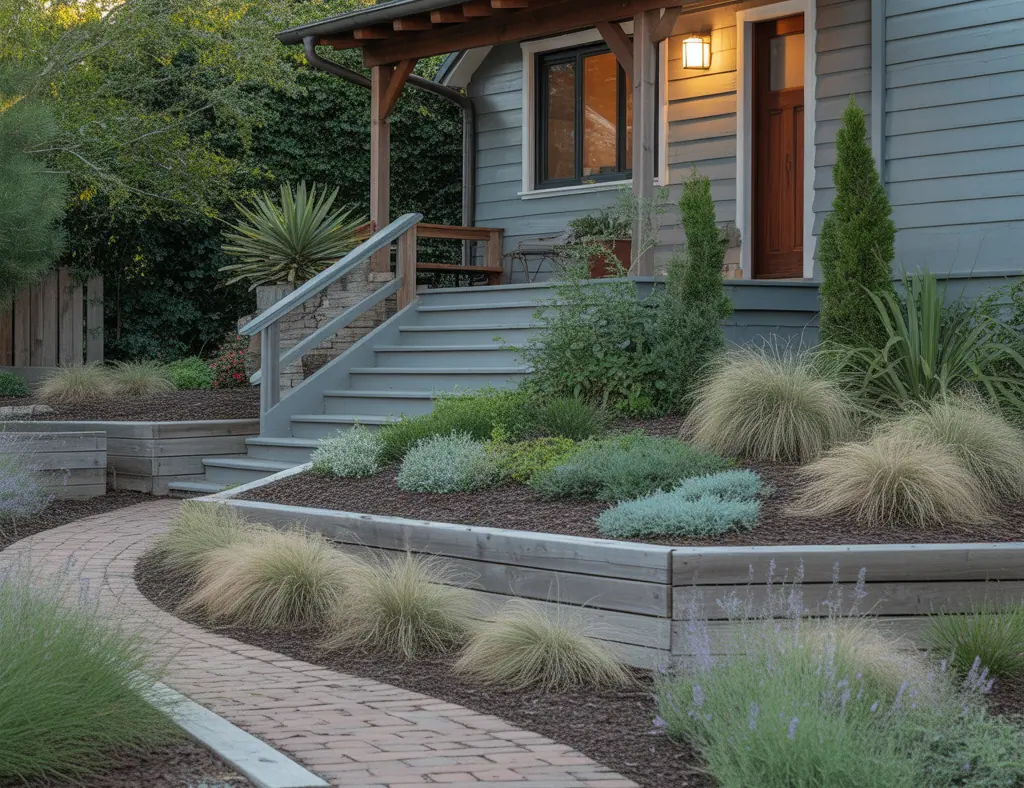
Have you ever stood on your front porch wishing the yard had more character — or wondering how to block street noise, hide an unsightly slope, or add instant curb appeal without a full renovation? A front yard berm might be the perfect solution. Whether you’re tackling a weekend DIY or planning a larger landscaping project, berm ideas front yard homeowners can build themselves are versatile, budget-friendly, and surprisingly impactful.
Why a Front Yard Berm Works: Benefits and Design Goals
Before you grab a shovel, it helps to understand why berms are popular for modern landscapes. A berm is a low, raised mound of soil that adds elevation, directs drainage, provides privacy, and creates visual interest. With thoughtful planning, a berm can:
- Increase curb appeal and create a focal point.
- Improve drainage and prevent erosion.
- Provide privacy screen from the street or neighboring properties.
- Define garden beds and elevate plantings for better visibility.
- Offer opportunities for layered planting and pollinator habitat.
Planning Your Berm: Key Considerations
Start with a clear plan to ensure your berm looks natural and functions well. Use these steps as your planning checklist:
- Assess slope and drainage: Observe where water flows during a rainstorm. Berms should not block necessary drainage but can be used to redirect runoff.
- Check utilities and regulations: Call before you dig to avoid underground utilities and verify any HOA or local landscaping rules.
- Decide on height and length: For a front yard, keep berms modest—typically 1 to 3 feet tall with gentle slopes (3:1 slope ratio recommended).
- Choose a style: Consider a natural rolling berm, a privacy screen with evergreens, a low floral berm for seasonal color, or a rock-and-native planting berm for low maintenance.
Materials, Tools, and Timeline for a DIY Berm
Building a berm is straightforward with common landscaping materials. Here’s what you’ll need:
- Materials: topsoil, compost, native soil (if available), mulch, landscape fabric (optional), edging stones or pavers (optional).
- Plants: shrubs, ornamental grasses, perennials, groundcovers, and small trees depending on the design.
- Tools: shovel, wheelbarrow, rake, tamper or plate compactor (for larger berms), measuring tape, stakes and string, and landscape edging tools.
Timeline: A small berm can be built in a weekend by a homeowner with basic tools. Allow extra time for plant placement and settling (several weeks to months) and plan planting for spring or fall for best establishment.
Berm Ideas Front Yard: Step-by-Step Build
Follow this practical step-by-step guide to construct a classic small front yard berm.
- Mark the outline. Use stakes and string or garden hose to lay out the berm shape—curved, natural lines look best for curb appeal.
- Remove turf or weeds. Strip the sod or place landscape fabric where needed to suppress weeds. Save healthy turf or compost materials if possible.
- Build the core. Pile base soil to create the mound. Start low and build gradually in layers—compact each layer lightly to prevent future settling.
- Shape and slope. Smooth the top and sides into gentle, natural contours. A 3:1 run-to-rise slope prevents erosion and looks more natural.
- Add topsoil and organic matter. Spread a 4–6 inch layer of topsoil mixed with compost for plant health.
- Plant strategically. Place taller shrubs toward the back or center, mid-height perennials on slopes, and groundcovers at the edges to soften transitions.
- Mulch and water. Apply a 2–3 inch mulch layer to conserve moisture and prevent erosion. Water newly installed plants deeply and regularly until established.
Design Tips: Plant Combinations and Styles
Plant selection determines the long-term look and maintenance of your berm. Try these combinations:
- Low-maintenance native berm: ornamental grasses, native shrubs, and pollinator perennials—ideal for drought-prone areas.
- Cottage garden berm: roses, lavender, catmint, and seasonal bulbs for color and fragrance.
- Privacy berm: evergreen shrubs like yews or hollies combined with taller ornamental grasses for year-round screening.
- Rock-and-succulent berm: use boulders, well-draining soil, and succulents for a Mediterranean or xeriscape look.
Practical Real-World Advice and Maintenance
Here are seasoned tips from DIY landscapers to ensure your berm remains attractive and functional:
- Keep slopes gentle—steep berms are hard to maintain and prone to erosion.
- Use erosion control measures—stagger plantings and use mulch or rock accents to hold soil.
- Install drip irrigation or soaker hoses to deliver consistent moisture to root zones.
- Plan for growth—avoid planting large shrubs too close to sidewalks or driveways.
- Top up mulch annually and monitor for settling—add soil where needed in the first year.
Low-Budget Berms and Cost-Saving Hacks
Want to keep costs down? Salvage soil from a backyard excavation, shop plant sales, and use reclaimed stones for edging. Volunteer plants and cuttings from friends can fill groundcover areas for almost no cost.
Design Inspiration: Creative Berm Variations
Use one of these themes as a starting point for your own front yard berm:
- Seasonal color banding: layer spring bulbs, summer perennials, and fall grasses for year-round interest.
- Pollinator pathway: cluster native flowering perennials and a few small trees to invite bees and butterflies.
- Accent lighting: solar path lights or uplighting highlight plant textures and add nighttime curb appeal.
- Mixed materials: combine turf, gravel, and mulch to break monotony and reduce maintenance.
Frequently Asked Questions
1. How high should a front yard berm be?
For most front yards, 1 to 3 feet is ideal. This height adds interest without overpowering the house or blocking sightlines. Keep slopes gradual—about a 3:1 ratio (three feet of run for every foot of rise) for safety and maintenance.
2. What plants are best for berms in the front yard?
Choose plants suited to your climate and soil. Native shrubs, ornamental grasses, low-growing perennials, and hardy groundcovers work well. Consider drought-tolerant species in dry regions and evergreen shrubs for year-round structure.
3. Do berms affect drainage or cause erosion?
If planned correctly, berms can improve drainage by redirecting runoff to desired areas. Avoid placing berms where they will block natural drainage paths. Use layered plantings, mulch, and proper slope ratios to minimize erosion.
Conclusion: Start Your Berm Project Today
Berm ideas front yard homeowners can implement offer big visual and functional returns with relatively small effort. With some planning, a few materials, and a weekend (or two), you can build a berm that increases curb appeal, improves drainage, and creates a beautiful planting canvas. Ready to try a berm? Browse our DIY projects for step-by-step guides and check our home design ideas for inspiration to match your style. If you enjoyed these tips, explore related posts on DIY projects and home design ideas to keep your next improvement rolling.
Share your berm before-and-after photos or ask a question—let’s make your front yard the neighborhood standout.