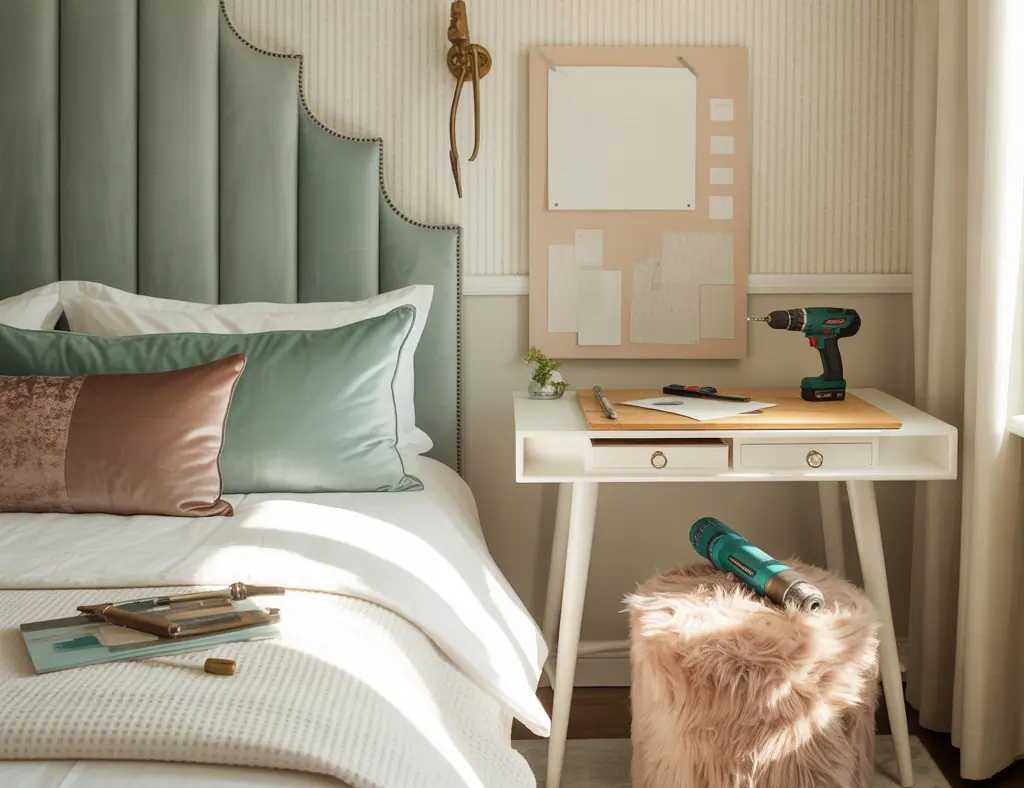
Have you ever glanced at your bedroom and thought, “This could feel more cozy, softer, and more like a retreat” — but hesitated because of time, budget, or DIY skill level? If a weekend project and a little elbow grease could turn that blank wall or tired bed frame into a luxurious, comfortable focal point, would you try it? Bedroom upholstered concepts are one of the most impactful, attainable upgrades for a room — offering texture, warmth, sound absorption, and instant style. Read on for practical DIY tips, step-by-step guides, and design inspiration you can use this weekend.
Why Choose Upholstery for Your Bedroom?
Upholstery in the bedroom—whether a tufted headboard, padded wall panels, or a covered bed frame—adds softness where you need it most. It improves acoustics, increases comfort for reading or watching TV in bed, and elevates the overall design. Upholstered elements are also a highly customizable route to personalizing your room: you can choose fabric, color, texture, and scale to suit any aesthetic from modern minimalist to vintage glam.
Bedroom Upholstered Concepts to Try Right Now
Below are approachable projects and concept ideas that cater to different skill levels and budgets. Each includes quick design notes and practical DIY tips.
1. The Classic Upholstered Headboard (Tufted or Simple Panel)
Why it works: A headboard anchors the bed and is the most recognizable upholstered feature in a bedroom. It creates a plush backdrop for pillows and bedding.
- Design tip: Tall, tufted headboards add drama; slim, flat panels suit compact rooms.
- DIY basics: plywood back, foam (2–4 inches), batting, fabric, and a staple gun. Optional button-tufting kit for a classic look.
- Time & difficulty: 2–6 hours, easy to moderate.
2. Padded Wall Panels for a Luxe Look
Why it works: Padded wall panels create a continuous, serene surface that’s ideal for sound damping and a high-end hotel feel.
- Design tip: Run panels floor-to-ceiling behind the bed to visually raise the ceiling; use contrasting seams for a grid effect.
- DIY basics: foam panels or rigid insulation covered with batting and fabric, mounted on wood slats or adhesive depending on weight.
- Time & difficulty: 1–2 days, moderate. Great for apartment-friendly adhesive options.
3. Upholstered Bed Frame and Footboard
Why it works: Wrapping the bed frame in fabric softens the entire look and hides worn wood or metal. An upholstered base also gives a cohesive built-in feel.
- Design tip: Use the same fabric as the headboard for continuity, or choose a complementary texture for contrast.
- DIY basics: remove mattress, unscrew slats as needed, apply foam/batting to rails, and staple fabric neatly along seams.
- Time & difficulty: 4–8 hours, moderate. Requires attention to corners and clean stapling.
4. Accent Upholstered Benches, Chairs, and Wall Strips
Why it works: Smaller upholstered pieces add comfort and tie the room together without a major overhaul.
- Design tip: Re-cover an existing bench or dining chair with durable, stain-resistant fabric to match your bedroom’s palette.
- DIY basics: foam cushion replacement, fabric wrap, staple gun, and corner folding techniques.
- Time & difficulty: 1–3 hours, easy.
Choosing Materials & Fabrics
Picking the right materials determines longevity and feel. Consider poly-blend and performance fabrics for busy households, linen or cotton for a natural vibe, and velvet or microfiber for a plush, luxurious finish. Use high-density foam for headboards (2–4 lb density recommended) and add a layer of polyester batting for smoothness. For eco-conscious choices, look at recycled polyester or natural fibers treated for stain resistance.
Color, Scale, and Layout Tips for Upholstered Bedrooms
Scale your upholstered element to the bed size: a headboard should be slightly wider than the bed for balance (6–12 inches on each side is common). Neutral palettes (greige, soft white, muted blues) create a restful base, while jewel tones or deep velvets can provide dramatic color. Mix textures—linen with leather accents or brushed velvet with matte wooden nightstands—to keep the space layered and interesting.
Step-by-Step DIY: Build a Simple Padded Headboard
- Measure your bed width and decide height (recommended 28–48 inches depending on headboard style).
- Cut a piece of plywood to size and sand edges smooth.
- Cut foam to the same size and glue to the plywood using spray adhesive.
- Add batting over foam for softness and tuck/staple it on the plywood back for a smooth finish.
- Lay your fabric face down, place the padded board on top, pull fabric tight, and staple to the back. Fold corners neatly.
- Mount to the wall with French cleats or hang using heavy-duty picture hangers; alternatively, attach to the bed frame.
Quick tip: Pre-wash natural fabrics to prevent later shrinking, and always test fabric against your existing bedding under natural light before final installation.
Real-World Advice & Common Mistakes to Avoid
- Avoid buying fabric only online without swatches—color and texture can look different in person.
- Don’t overstuff foam; too much thickness can look bulky. Aim for balance between cushion and clean lines.
- Invest in a quality staple gun and durable staples; cheap tools increase frustration and visible flaws.
- If you’re renting, consider removable solutions like adhesive-backed padded panels or free-standing upholstered headboards to avoid wall damage.
Frequently Asked Questions
1. How difficult is it to upholster a headboard myself?
Upholstering a simple headboard is a beginner-friendly DIY project. With basic tools (staple gun, saw, adhesive) and one afternoon, many homeowners can produce a polished result. More complex tufting or curved shapes require extra time and patience.
2. What fabric should I choose for a bedroom upholstered headboard?
Choose based on use and aesthetic: durable performance fabrics for households with kids/pets; velvet for a luxurious look; linen or cotton for a relaxed, breathable feel. Consider stain-resistant or treated fabrics if spills are a concern.
3. Can padded wall panels help with soundproofing?
Padded panels absorb sound and reduce echo, improving room acoustics. They aren’t full soundproofing solutions but are effective for making a bedroom quieter and cozier—especially in apartments or rooms with hard surfaces.
Conclusion — Try One Bedroom Upholstered Concept This Weekend
Bedroom upholstered concepts are a high-impact, relatively low-cost way to elevate your space. Whether you try a DIY upholstered headboard, install padded wall panels, or recover a bench, these projects deliver style and comfort that lasts. Start small: pick one piece, grab fabric swatches, and set aside a weekend. If you want more project ideas and step-by-step tutorials, explore our DIY projects page and browse home design ideas for complementary inspiration. Ready to transform your bedroom? Share your plan or ask for tips in the comments — and don’t forget to try an upholstered upgrade this weekend!
Also check out related inspiration for other rooms like our kitchen upgrades for cohesive home updates.