Ever stood in your kitchen or bathroom and thought, “This needs a little coastal charm”? Maybe you’ve got seashells in a jar and beach photos on the wall, but the space still feels flat. Coastal tile can be the game-changer—bringing texture, color, and seaside serenity without a full remodel. If you’re wondering how to translate that relaxed, ocean-inspired vibe into your home, these ideas for coastal tile will give you practical inspiration and easy DIY steps to make it happen.
Why choose coastal tile?
Coastal tile blends form and function: it’s durable, water-resistant, and available in a huge range of textures and colors—from glossy ocean blues to matte sand neutrals. Whether you want a subtle nod to the shore or a bold nautical statement, seaside tile patterns and ocean-inspired tiles can suit small updates like a backsplash or major updates like shower surrounds and flooring.
Top ideas for coastal tile: styles and applications
Below are practical, on-trend options for using coastal tile around your home. Each idea includes style notes and DIY-friendly pointers.
1. Beach-inspired backsplash
Bring a hint of the shore to your kitchen with a seaside tile backsplash. Consider glass subway tiles in aqua tones or a pebble mosaic in mixed blues and greens for texture.
- Long-tail keyword inspiration: beach-inspired tile backsplash, coastal tile backsplash ideas.
- DIY tip: Use peel-and-stick glass tiles for an easy, renter-friendly install.
2. Nautical mosaic accents
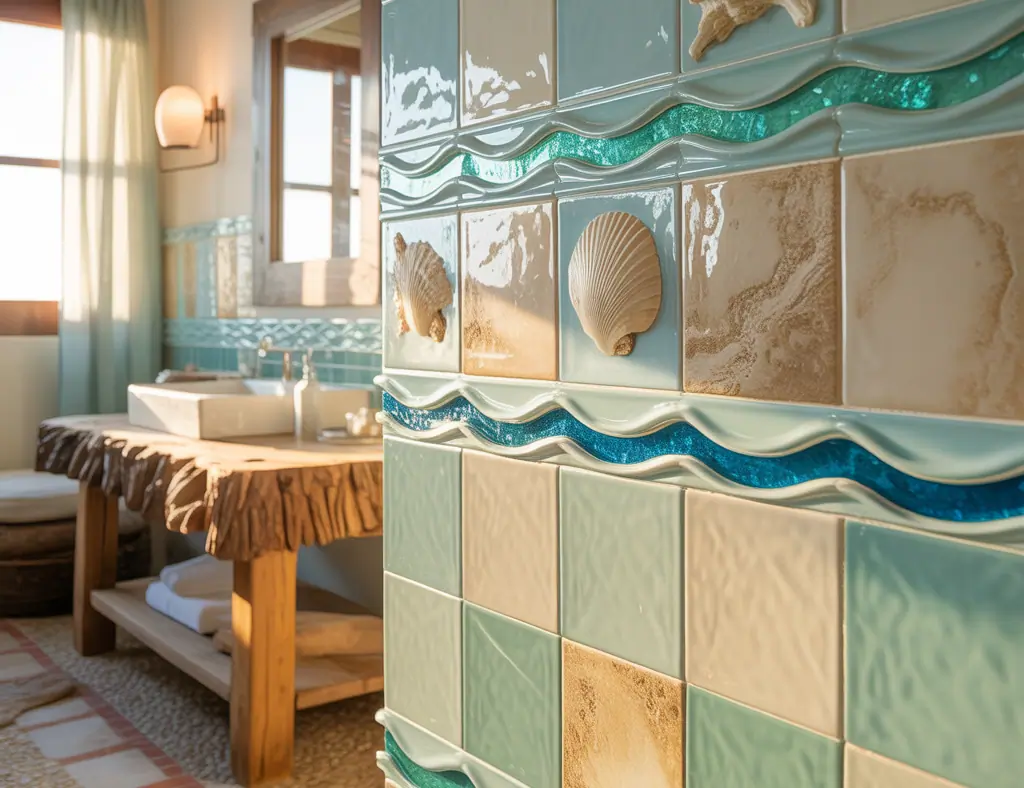
Add a mosaic medallion or strip in a shower wall or entryway. Nautical patterns—anchors, waves, starfish—work well as small focal points and can be created with ceramic or porcelain mosaics.
3. Sand and driftwood neutrals
If you prefer a calm, modern beach house look, opt for matte tiles in sandy beiges or pale greys that mimic driftwood. These make great flooring or large-format wall tiles for a minimal coastal feel.
4. Coastal tile flooring
Wood-look porcelain planks in grey-washed tones create a durable floor with coastal character. For a bolder approach, choose patterned encaustic-style tiles in sea-glass palettes for an entry or powder room.
Design tips: color palettes, textures, and grout
To get a cohesive look, think in three layers:
- Base neutrals (sand, bone, soft grey) for large surfaces.
- Accent shades (seafoam, aqua, navy) for focal points and trim.
- Metal and natural finishes (brushed brass, weathered nickel, light wood) for fixtures and cabinetry.
Grout color matters: pale grout creates airy continuity, while a darker grout highlights pattern and makes tiles pop. Choose epoxy grout in wet areas for stain resistance.
Step-by-step DIY: small coastal tile backsplash
This simple project is perfect for beginners and instantly updates a kitchen or bathroom.
Materials
- Tiles (glass or ceramic) — measure wall area and order 10% extra
- Tile adhesive (mastic or thinset for non-porous tiles)
- Notched trowel, tile spacers, tile cutter or scoring tool
- Grout, grout float, sponge, and sealant if needed
- Level, tape measure, painter’s tape, drop cloth
Steps
- Prepare the wall: clean, remove outlet covers, and ensure surface is flat.
- Plan layout: dry-fit tiles and mark a level center line. Work from the center out to ensure balanced cuts at edges.
- Apply adhesive: spread thinset or mastic with a notched trowel, working in small sections.
- Set tiles: press tiles into place, using spacers and checking for level as you go.
- Cut tiles to fit edges and around outlets with a tile cutter or wet saw.
- Grout: after adhesive cures (check manufacturer), remove spacers and grout, wiping excess with a damp sponge.
- Seal if needed: seal grout or natural stone tiles once fully cured.
DIY tip: If you’re new to tiling, start with a small area and watch a few technique videos or practice cuts on spare tiles first.
Coastal tile in the bathroom: shower and vanity ideas
Bathrooms are ideal for showcasing coastal tile—use vertical stacks of elongated tiles to make a small bathroom feel taller or choose a wave-pattern tile accent in the shower niche. For a spa-like feel, combine pebble shower floors with larger wall tiles in complementary colors.
Maintenance and long-term care
To keep coastal tile looking crisp:
- Use pH-neutral cleaners for regular cleaning—avoid harsh acids on natural stone.
- Re-seal natural stone and grout annually (or as recommended) to prevent staining.
- Address cracked grout or broken tiles promptly to prevent water damage.
Budget-friendly coastal tile ideas
Want the look without the price tag? Try these cost-saving strategies:
- Use a small mosaic strip as an accent rather than tiling an entire wall.
- Choose porcelain with a printed pattern (looks like natural stone or wood)—it’s durable and cheaper than real wood or stone.
- Install tile in key focal areas (backsplash, shower niche, entryway) and paint the rest in ocean-inspired hues.
Design inspiration: mixing styles and finishing touches
Mix modern coastal (clean lines with sea-glass colors) with cottage beachy (patterned tiles and vintage fixtures) for a customized look. Add finishing touches like woven rugs, linen curtains, and coastal artwork to complete the theme. For lighting, choose soft brass or matte black fixtures to balance warmth and contrast.
Frequently Asked Questions
1. What type of tile is best for a coastal bathroom?
Porcelain and ceramic tiles are great for coastal bathrooms because they’re water-resistant and durable. For a more natural look, consider porcelain that mimics stone or wood. For shower floors, choose textured tiles or pebble mosaics to prevent slipping.
2. Can I install coastal tile myself if I’m a beginner?
Yes—small projects like a backsplash or a shower niche are beginner-friendly. Start with peel-and-stick tiles or ceramic subway tiles and follow the basic steps: prepare the surface, plan your layout, use the right adhesive, and grout carefully. For larger or wet-area installs, consider consulting a professional.
3. How do I choose grout color for seaside tile schemes?
Choose grout based on the effect you want: light grout for a seamless, airy look; darker grout to emphasize pattern and hide stains. Epoxy grout is ideal for wet coastal areas because it resists mold and staining.
Conclusion: Start bringing the coast home today
With these ideas for coastal tile, you can create a relaxed, beachy atmosphere in any room—whether you choose a small beach-inspired tile backsplash or a full coastal tile shower. Take one small project this weekend: pick a palette, buy a few sample tiles, and try a peel-and-stick test. Ready to tackle more projects? Explore our DIY projects for step-by-step help, check out kitchen upgrades for more backsplash inspiration, or browse home design ideas to refine your coastal vision. Share your progress—your next coastal makeover may be closer than you think!