Have you ever stood on your front porch with a cup of coffee, wishing your yard looked as inviting as the homes in design magazines—only to be stumped by a shady corner or boring border? If you’re tackling a tired landscape or planning a weekend DIY, azalea flower bed ideas are an excellent, high-impact upgrade. Azaleas thrive in shade to part-sun, offer spectacular spring color, and are forgiving for beginner gardeners when you choose the right varieties and follow a few smart steps.
Why Choose Azaleas for Your Garden?
Azaleas are popular for a reason: they provide long-lasting blooms, fit well in foundation plantings, and work in containers, slope stabilization, or mixed shrub borders. They’re ideal for homeowners looking for low-to-moderate maintenance flowering shrubs that perform reliably in acidic soil. Whether you want a formal hedge or a relaxed cottage-style bed, azaleas give you options.
Design Inspiration: Azalea Flower Bed Ideas That Work
Below are creative themes and layout ideas that will help you visualize how azaleas can transform your outdoor space.
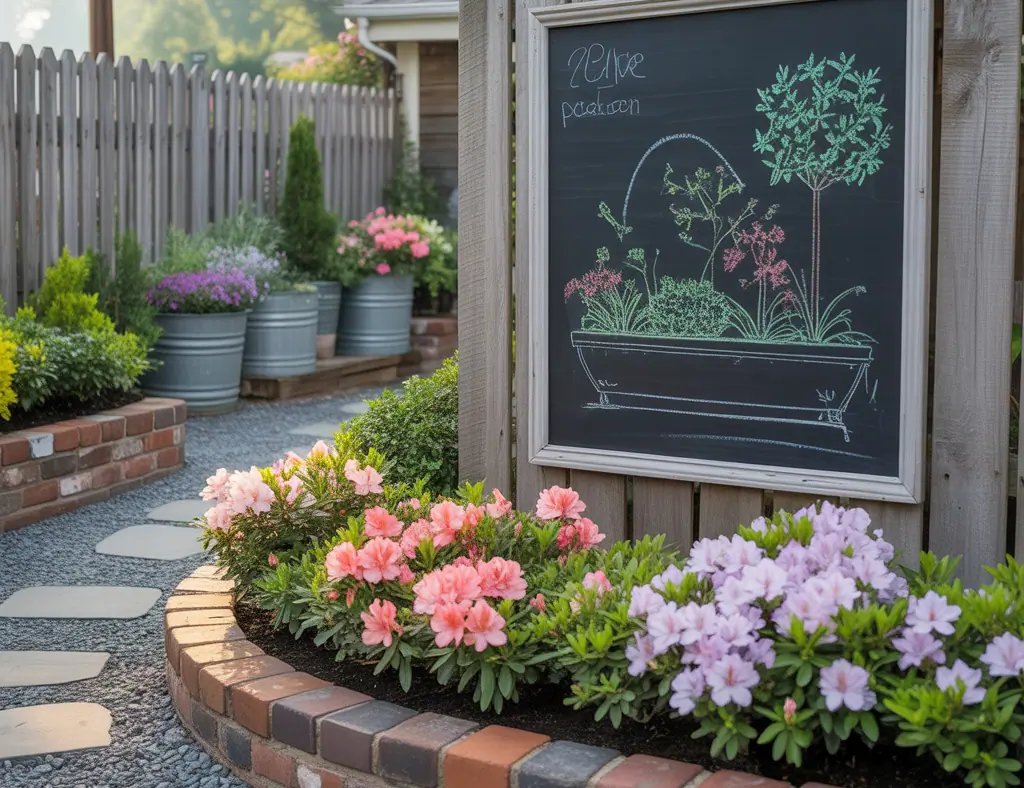
Cottage Garden Azalea Bed
- Mix dwarf azalea varieties with perennials like hostas and astilbes for a layered, romantic look.
- Use rounded shapes and irregular edges to keep the bed informal.
- Add stepping stones and a rustic bench for charm.
Formal Foundation Planting
- Plant uniform azaleas along the foundation with consistent spacing and trimmed shapes.
- Use low evergreen groundcover beneath for year-round structure.
Japanese-Style Shade Border
- Combine azaleas with ferns, Japanese maples, and moss for a serene, layered composition.
- Keep a clean edge with stone or bamboo edging to highlight the design.
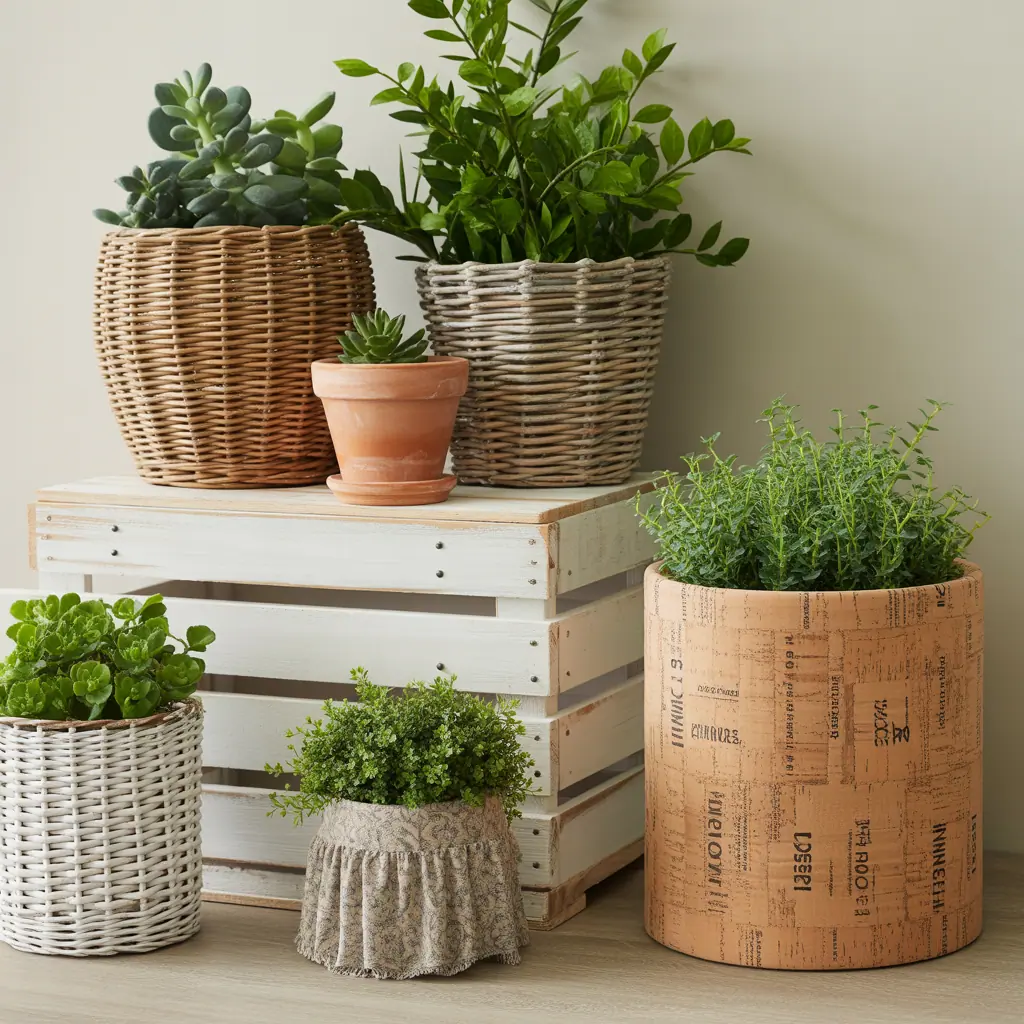
Container Azalea Ideas
- Choose large, well-draining pots and use ericaceous potting mix (for acid-loving plants).
- Group containers at different heights on a porch or patio for instant impact.
Materials, Tools, and Prep: What You’ll Need
- Azalea plants (pick size and variety based on space and bloom color)
- Acidic, well-draining soil or ericaceous compost
- Mulch (pine needles or shredded bark preferred)
- Garden tools: spade, hand trowel, pruning shears, garden rake
- Soil pH test kit and slow-release fertilizer formulated for acid-loving shrubs
- Optional: edging materials, drip irrigation, landscape fabric
Step-by-Step: How to Build an Azalea Flower Bed
Follow these practical DIY steps to create a lasting azalea planting that thrives season after season.
- Assess the Site: Azaleas prefer morning sun and afternoon shade or dappled light. Test soil drainage by digging a hole and filling with water—if it drains within a few hours, it’s suitable.
- Test and Amend Soil: Use a pH kit; azaleas like 4.5–6.0. Add soil sulfur or ericaceous compost to lower pH, and mix in organic matter to improve drainage.
- Plan Your Layout: Sketch spacing based on mature plant width. For layered beds, place taller varieties in back and dwarf types in front.
- Install Edging and Irrigation (Optional): Edge the bed for a crisp look and lay drip irrigation or soaker hose to deliver consistent moisture without wetting foliage.
- Plant Properly: Dig holes twice the width of the root ball but shallow—azaleas have shallow roots. Position crowns slightly above surrounding soil and backfill with amended soil.
- Mulch and Water: Apply 2–3 inches of pine needle mulch to retain moisture and protect roots. Water deeply after planting and keep evenly moist during establishment.
- Care and Maintenance: Prune lightly after flowering to shape and remove dead wood. Feed with azalea fertilizer in late winter or early spring.
Practical Maintenance Tips and Common Pitfalls
To keep your azalea bed lush and healthy, watch for these common issues and follow simple maintenance routines.
- Soil pH drift: Re-test pH every few years and reapply ericaceous fertilizer if blooms fade or leaves yellow.
- Pests and diseases: Monitor for lace bugs, spider mites, and root rot. Provide good air circulation and avoid overhead watering to reduce disease risk.
- Pruning timing: Prune immediately after flowering—azaleas set next year’s buds soon after bloom, so late pruning can remove next season’s flowers.
- Mulch depth: Keep mulch away from the trunk to prevent rot; refresh annually.
Creative Upgrades: Paths, Lighting, and Hardscape
Small hardscape additions can elevate your azalea flower bed from pretty to professional:
- Install landscape lighting to highlight blooms and create evening ambiance.
- Lay gravel or stepping stone paths for visual interest and access for maintenance.
- Use low stone walls or terracing on slopes to prevent erosion and add structure.
Azalea Flower Bed Ideas: Best Varieties and Plant Pairings
Choosing the right cultivar is key. For heavy shade, try ‘Girard’s’ or ‘Formosa’; for brighter colors in part-sun, consider ‘Hino Crimson’ or Encore® azaleas for reblooming interest. Pair azaleas with companion plants like hostas, heuchera, ferns, and rhododendrons to create beautiful texture contrasts.
Real-World Example: A Weekend DIY Azalea Makeover
Plan: Convert a 10-foot bare border into a vibrant azalea bed.
- Day 1: Clear existing weeds, edge the bed, and test soil pH.
- Day 2: Amend soil with compost and sulfur, lay drip irrigation, and mark planting locations.
- Day 3: Plant 6 medium azaleas spaced 4 feet apart, mulch, and water thoroughly.
- Follow-up: Mulch refresh and a light fertilizer application after 6–8 weeks.
Result: Instant curb appeal with manageable maintenance and a showy spring display.
Frequently Asked Questions
How often should I water my azalea flower bed?
Water newly planted azaleas deeply twice a week for the first month, tapering to once a week depending on rainfall. Established beds typically need supplemental watering during dry spells—aim to keep the soil consistently moist but not waterlogged.
What is the best soil for azaleas?
Azaleas prefer acidic, well-draining soil rich in organic matter. A mix of garden soil with peat moss or ericaceous compost works well. Use a soil pH test and amend accordingly to maintain a pH of about 4.5–6.0.
Can I grow azaleas in containers on my patio?
Yes—choose large containers with drainage holes and use ericaceous potting mix. Keep containers in part-shade, water more frequently than in-ground plantings, and fertilize with an acid-formulated fertilizer for container plants.
Conclusion
Azalea flower bed ideas can transform shady or plain areas into colorful, low-maintenance focal points. With the right site selection, soil preparation, and a few DIY touches—edging, paths, and lighting—you’ll have a garden that blooms year after year. Ready to start your azalea project this weekend? Gather your tools, pick your favorite varieties, and turn that tricky corner into a flowering showcase. For more step-by-step projects, check out our DIY projects, explore complementary home updates in kitchen upgrades, or get broader inspiration from our home design ideas pages.
Want help choosing varieties or a planting plan for your space? Leave a comment or sign up for our newsletter to receive seasonal tips and a downloadable planting checklist.