Ever stand in a dusty attic surrounded by boxes and wonder if that awkward, sloped space could become your light-filled master retreat? Transforming an underused attic into a beautiful bedroom can solve storage woes, add square footage, and give your home a unique, cozy centerpiece — but where do you begin? This guide lays out practical, DIY-friendly attic master bedroom ideas, step-by-step renovation tips, and design inspiration so you can tackle a loft conversion with confidence.
Why choose an attic conversion?
An attic bedroom conversion is a smart way to increase usable living space without an addition. Whether you want a quiet loft master suite, a guest room, or a creative home office/bedroom hybrid, converting the attic can boost property value and make better use of your home’s footprint. Keep in mind building codes, headroom, and structural capacity before you start — but many cosmetic and mid-level projects are very DIY-friendly.
Creative attic master bedroom ideas to maximize space
Use the attic’s unique geometry to your advantage. Here are practical design concepts that work well for sloped ceilings and small footprints.
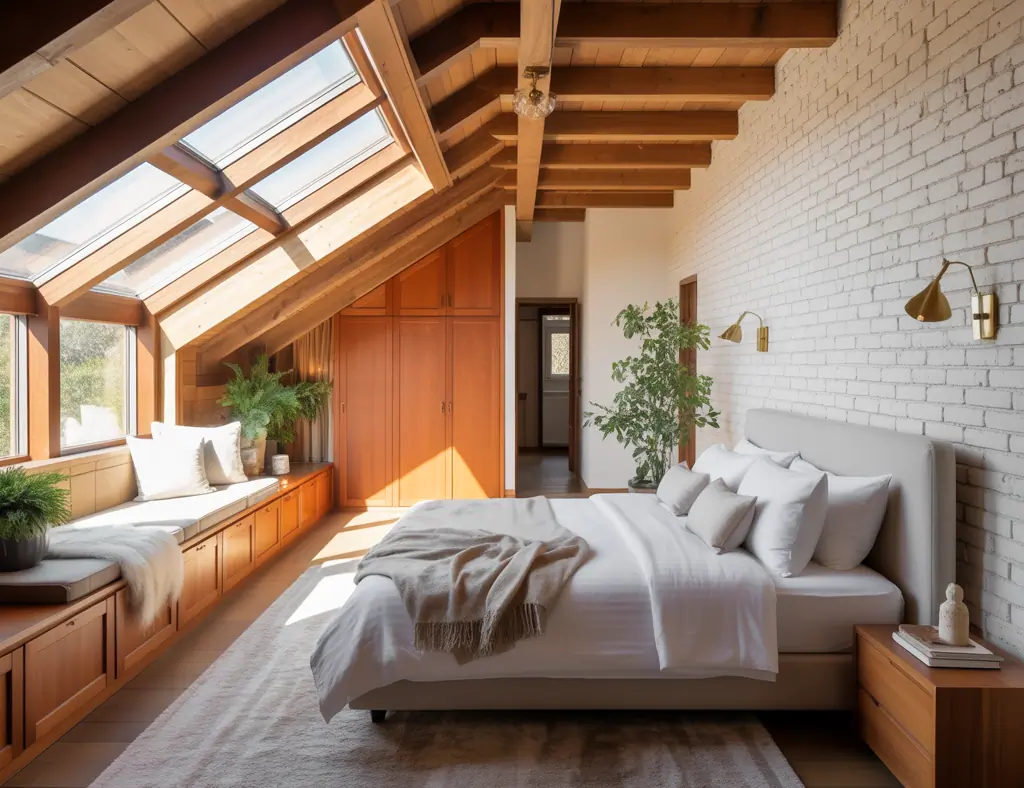
1. Embrace the slope with built-in storage
- Build custom drawers and cupboards into the eaves to turn wasted space into clothing and linen storage.
- Low dressers, window seats with hidden storage, and under-bed pull-outs keep floor space open.
2. Install skylights and dormer windows for natural light
- Skylights brighten dark attic rooms and make the ceiling feel higher. A couple of well-placed roof windows change the whole mood.
- Consider adding a dormer if you need more headroom and a real window — a larger project, but worth it for comfort and egress compliance.
3. Layered lighting and cozy textures
- Use recessed lighting for overall illumination, wall sconces for bedside reading, and dimmers to create ambiance.
- Warm rugs, textured throws, and wood tones make low-ceiling spaces feel intimate rather than cramped.
Step-by-step attic bedroom renovation plan (DIY-friendly)
Follow this sequence to keep your project organized and avoid costly rework.
Step 1 — Assess structure and codes
- Check floor joist capacity and headroom. If the attic was not originally intended as living space, you may need to reinforce the floor.
- Verify egress and ceiling-height requirements with your local building department before you spend money.
Step 2 — Plan insulation, ventilation, and moisture control
- Proper insulation and ventilation are critical in attics to avoid condensation and energy loss. Consider spray foam or high-quality batt insulation and ridge vents or a powered attic fan.
- Soundproof between floors with resilient channels or acoustic underlayment if noise is a concern.
Step 3 — Floors, windows, and HVAC
- Reinforce and level the floor with sistered joists if needed, and install durable flooring like engineered hardwood or luxury vinyl that handles temperature swings well.
- Install skylights or dormers for light and egress. For heating/cooling, a mini-split system is often the easiest and most efficient option for attic spaces.
Step 4 — Electrical, lighting, and safety
- Run electrical for outlets, lighting, and switches. Use LED recessed cans with low-profile housings for sloped ceilings.
- Install smoke and CO detectors and ensure safe stair access — the path to your new master must be safe and code-compliant.
Step 5 — Finish work and styling
- Drywall the slopes, prime and paint in light colors to open the space. Accent beams or painted rafters add character.
- Furnish with low-profile beds and floating nightstands to maximize perceived height and flow.
Design inspiration: styles that suit attic spaces
Attics work beautifully with several design approaches. Try one of these looks depending on your taste:
- Scandinavian minimalist: white walls, pale wood floors, and functional built-ins for an airy, calm loft.
- Rustic charm: exposed beams, reclaimed-wood headboard, and layered textiles for a cozy cabin vibe.
- Modern cozy: matte finishes, statement pendant, and warm lighting for an elegant, intimate retreat.
Practical DIY tips and real-world advice
- Start small: a weekend project like painting, adding rugs, and installing shelving can dramatically improve the space without major investment.
- Prioritize insulation and moisture barriers first; cosmetic fixes won’t last if moisture is an issue.
- Use multi-purpose furniture (murphy bed, daybed with storage) to keep the layout flexible.
- When in doubt about joist reinforcement, electrical panels, or structural changes, consult a licensed contractor — safety first.
- Budget tip: DIY roofing or dormer additions can be risky; handle interior finishing yourself but hire pros for structural or roof work.
Storage and layout hacks for small attic master bedrooms
Make every inch count with creative storage and thoughtful layout:
- Use the lowest headroom areas for built-in cabinetry, closets, or a cozy reading nook.
- Create a platform bed with integrated drawers to maximize under-bed storage.
- Mount hooks and pegboards on vertical walls near the door for seasonal items and accessories.
Frequently Asked Questions
Can I convert my attic into a master bedroom myself?
Yes, parts of an attic conversion are DIY-friendly — painting, flooring, built-ins, and some electrical work if you’re qualified. However, structural changes, floor reinforcement, roof modifications (dormers), and HVAC or main electrical panels are best left to licensed professionals. Always check local building codes before starting.
How much does an attic master bedroom conversion cost?
Costs vary widely depending on scope. A cosmetic refresh (insulation top-up, flooring, paint, lighting) can be a few thousand dollars. A full conversion including structural reinforcement, dormer addition, windows, and HVAC can range much higher. Get multiple quotes and prioritize structural and insulation needs first.
What are the most important code considerations for an attic bedroom?
Key items include minimum ceiling height (verify local rules), emergency egress (windows or doors sized for escape), stair access, and proper smoke/CO detection. Structural load capacity and proper insulation/ventilation are also critical. Verify with your local building department before beginning work.
Conclusion — Start planning your attic master bedroom today
With thoughtful planning and smart DIY choices, those attic master bedroom ideas can become a reality — turning forgotten space into a stunning, functional master suite. Begin with a structural assessment, prioritize insulation and egress, and layer lighting and built-ins to maximize comfort. Ready to take the first step? Sketch a layout, gather inspiration photos, and decide which tasks you’ll DIY and which to hire out. For more hands-on project inspiration, check out our DIY projects and explore related home design ideas to complete your renovation.
Call to action: Want help planning your attic transformation? Download our attic conversion checklist or contact a local pro to get a site assessment and estimate — then start turning that attic into the master bedroom you’ve been dreaming of.
For more creative attic master bedroom ideas, check out this article: Attic Master Bedroom Ideas
For more creative attic master bedroom ideas, check out Attic Master Bedroom Ideas.
For more creative attic master bedroom ideas, check out this article: Attic Master Bedroom Ideas
For more creative attic master bedroom ideas, check out this article: Attic Master Bedroom Ideas
For more creative attic master bedroom ideas, check out this article: Attic Master Bedroom Ideas