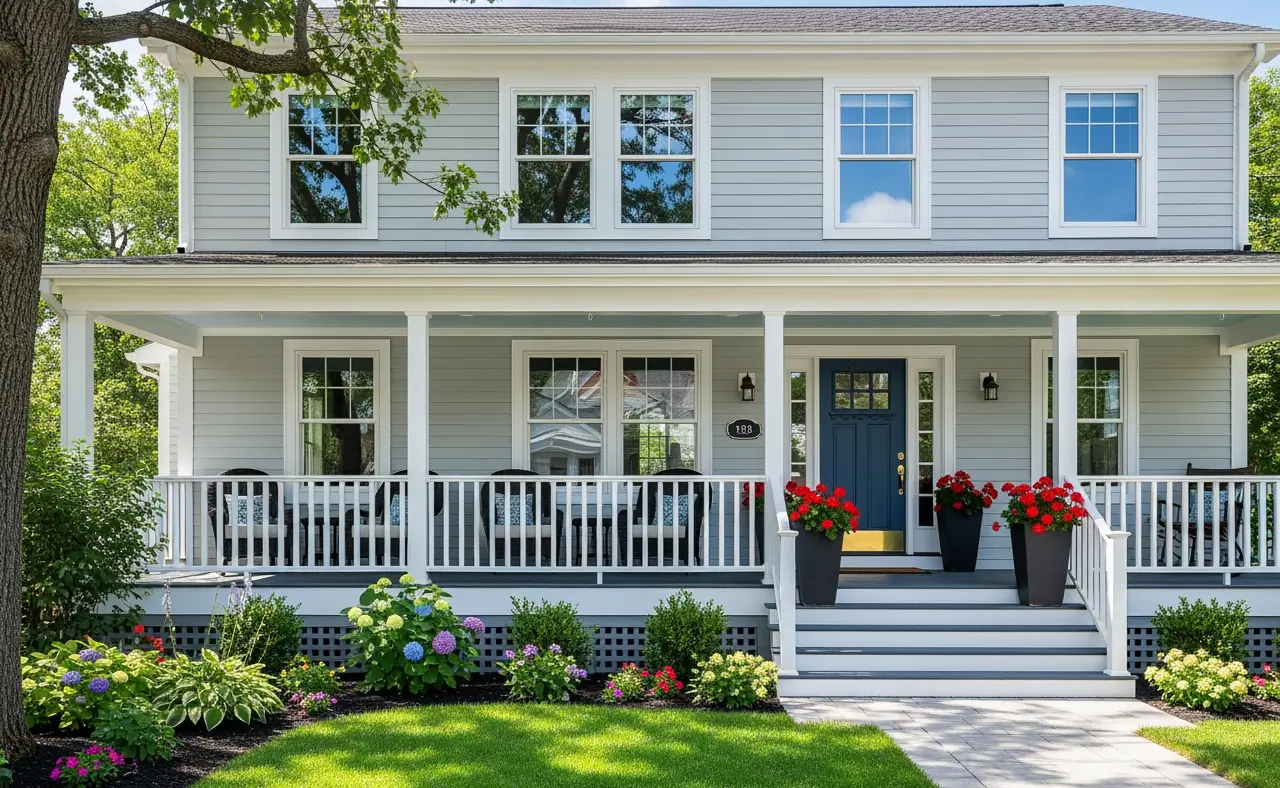
We all want our homes to be comfortable and beautiful. But smart home improvements can do even more. They can significantly boost your property’s value and appeal.
Homeowners spent a massive $603 billion on renovations in 2024. This demonstrates our commitment to enhancing our living spaces. With careful planning, these projects become wise investments. They don’t just upgrade your lifestyle. They also attract potential buyers if you decide to sell.
This guide will show you how to choose upgrades that truly pay off. We will focus on three key areas of high impact. These will improve your home’s livability and offer the best return on investment (ROI). Get ready to learn how to make your home shine, inside and out.
Upgrade #1: Lift Your Home’s Curb Appeal
First impressions are everything, especially when it comes to your home. A well-maintained and attractive exterior instantly boosts buyer appeal, signaling that the interior is likely just as well cared for. Enhancing your home’s curb appeal is one of the most impactful strategies for increasing its value, often with a surprisingly high return on investment. It’s about creating an inviting welcome that makes potential buyers want to see more.
The Power of a Fresh Coat of Paint
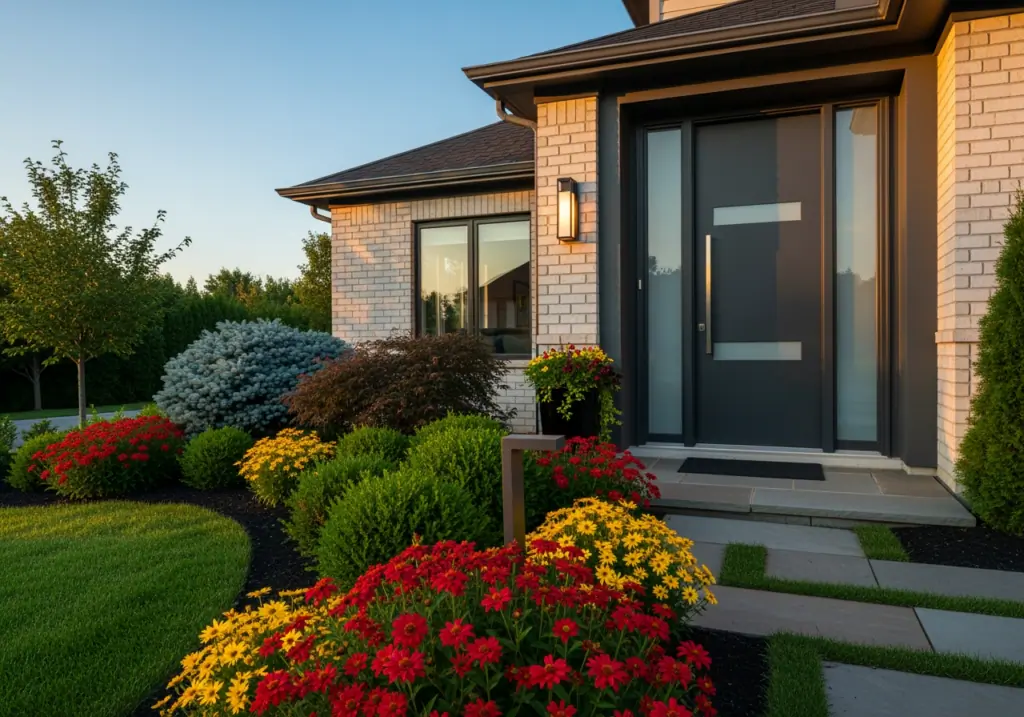
One of the most cost-effective ways to revitalize your home’s exterior and interior is with a fresh coat of paint. For the exterior, a clean, vibrant facade can dramatically improve curb appeal, making your home stand out in the neighborhood. It protects your home from the elements and can even hide minor imperfections, giving it a renewed sense of pride.
Inside, painting offers similar transformative power. Neutral tones—such as soft grays, warm beiges, or classic whites—create a blank canvas that appeals to a broad range of buyers, making rooms appear larger, brighter, and more inviting. This allows prospective homeowners to envision their own furnishings and style within the space easily. However, if you’re staying put, don’t be afraid to explore current design trends. Jewel and earth tones are gaining popularity, offering a sophisticated touch. Whether you’re looking to refresh your home’s exterior or update its interior, investing in quality home painting upgrades can significantly enhance both its aesthetic appeal and market value.
While a DIY paint job can save money, a professional painter ensures a flawless finish, proper surface preparation, and efficient execution, which can be crucial for maximizing the property’s impact, especially when selling. They also have access to higher-quality paints and techniques that ensure durability and longevity.
High-ROI Entryway and Garage Door Replacements
Beyond paint, certain exterior replacements offer exceptionally high returns on investment, making them smart choices for homeowners seeking to enhance their property’s value.
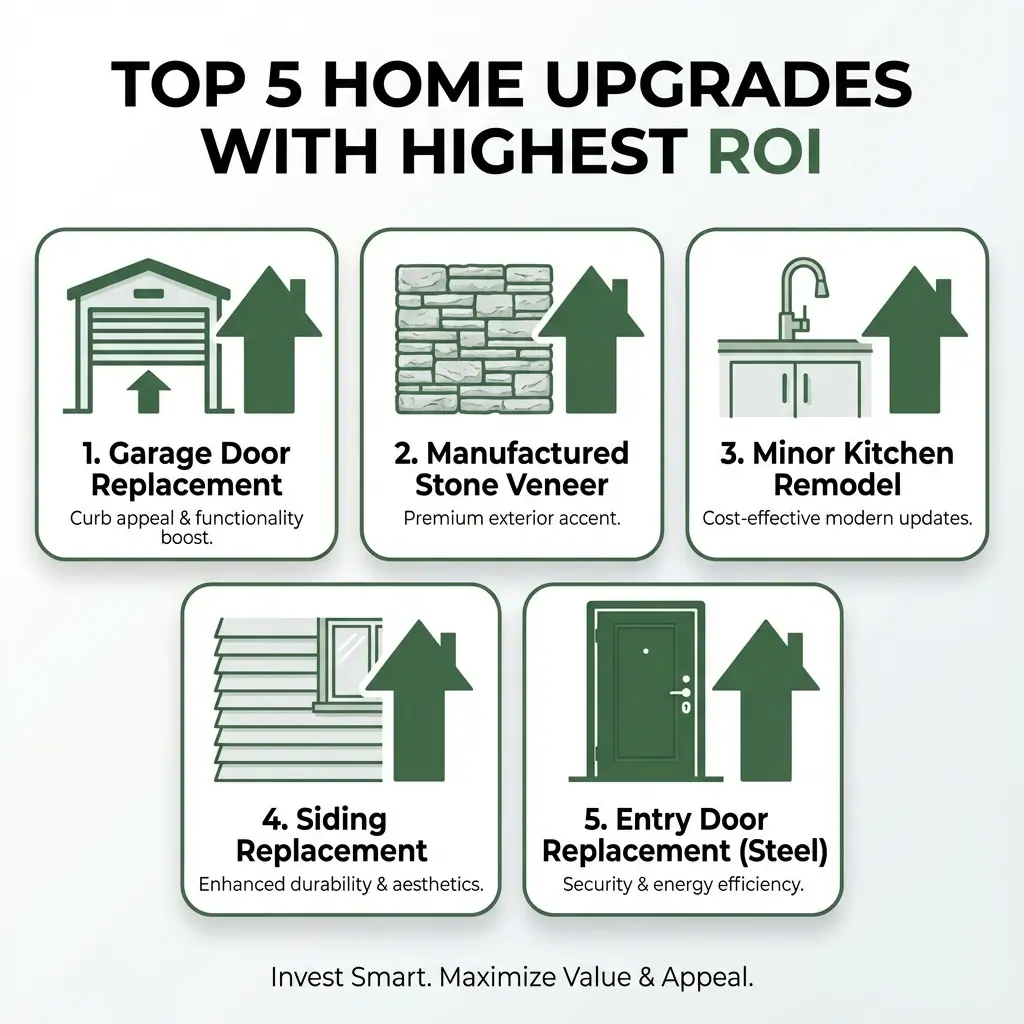
- Steel Entry Door: Replacing an existing entry door with a new steel one is a surprisingly impactful upgrade. Statistics show it can recoup an astounding 188% of its cost at resale. Buyers appreciate the enhanced security, improved energy efficiency, and modern aesthetic that a new steel door offers. It’s a relatively low-cost project that delivers a significant “wow” factor.
- Garage Door Replacement: If your garage door is dingy, dated, or noisy, replacing it can be a game-changer. This project can return nearly double your investment, with an average ROI of 194%. A new garage door not only dramatically improves curb appeal but also offers better insulation and security, appealing to practical buyers.
- Manufactured Stone Veneer: Adding manufactured stone veneer to a home’s exterior, particularly on the front facade, can provide an impressive 153% ROI. This upgrade adds texture, character, and a sense of permanence, elevating the home’s perceived value and making it feel more upscale.
These improvements also contribute to better security and energy efficiency, offering tangible benefits that buyers often seek. A well-sealed entry door and an insulated garage door can help reduce drafts and lower utility bills, thereby enhancing the home’s overall appeal.
Landscaping and Outdoor Living Spaces
The area surrounding your home is just as important as the structure itself. Thoughtful landscaping and well-designed outdoor living spaces can significantly enhance a home’s curb appeal and extend its usable living space.
- Low-Maintenance Landscaping: Buyers often prefer landscaping that looks neat and well-maintained but doesn’t require excessive upkeep. Simple improvements, such as fresh mulch, well-trimmed bushes, vibrant seasonal flowers, and clear pathways, can make a huge difference. Consider adding a new mailbox and updated house numbers for a polished look; even these small details can influence a buyer’s first impression.
- Deck Additions: Expanding your outdoor living area with a deck is a popular and high-ROI project. A wood deck addition can recoup an average of 106.7% of its value at resale, while a composite deck can offer around 68% ROI. Decks effectively increase living space at a lower cost per square foot than interior additions, providing an attractive area for relaxation and entertaining.
- Patios and Outdoor Kitchens: These features are increasingly sought after by homebuyers. Architects surveyed expect outdoor kitchens to be the most popular type of home kitchen remodel project. Creating a functional and inviting outdoor space for dining and entertaining significantly enhances its appeal. For homeowners seeking custom home improvement upgrades that genuinely transform their outdoor areas, a well-designed patio or outdoor kitchen can be a standout feature.

Upgrade #2: Focus on High-Traffic Hubs: Kitchens and Bathrooms
When it comes to home improvement upgrades, kitchens and bathrooms consistently rank high on buyers’ priority lists. These are the functional and aesthetic focal points of any home, often dictating a buyer’s emotional connection to a property. Homebuyers consider move-in readiness, number of bedrooms, and the overall size of the home as top features. Still, the condition of these two rooms significantly influences their perception of readiness. Over half of homeowners named the kitchen as their top priority for renovation, and a significant percentage have already remodeled their kitchen or bathroom in the past two years.
Maximizing Value with a Minor Kitchen Remodel
The kitchen is often referred to as the heart of the home, and for good reason. It’s where families gather, meals are prepared, and memories are made. A complete kitchen overhaul can be expensive, but a minor kitchen remodel can yield a substantial return on investment (ROI), typically around 96%.
- Cabinet Painting or Refacing: Instead of replacing entire cabinets, which can be costly, consider painting them. Services like cabinet painting can refresh your kitchen’s look for a fraction of the cost. Painting existing cabinets, especially in modern colors (two-tone cabinets and matte finishes are trending), can offer up to an 80% ROI and extend their life by 8-10 years. Two-thirds of interior designers surveyed planned to use more black colors in their kitchen projects for 2025.
- Hardware Updates: Swapping out old cabinet pulls and drawer handles for new, modern hardware is a small detail that makes a significant impact.
- Modern Fixtures: Replacing an outdated faucet and light fixtures can instantly update the kitchen’s aesthetic.
- Countertop Materials: While full slab replacements can be expensive, upgrading to popular materials like quartz, granite, or even porcelain slabs (which are gaining popularity) can significantly enhance appeal.
- Backsplash Installation: Adding a stylish backsplash, such as subway tile or a more intricate pattern, not only protects walls but also adds a designer touch.
Focusing on these elements allows you to achieve a fresh, contemporary look that appeals to buyers, making your kitchen feel new and inviting without the expense and disruption of a significant renovation.
Smart Bathroom Home Improvement Upgrades
Bathrooms are another crucial area where strategic upgrades can significantly enhance a home’s value. A midrange bathroom remodel typically sees a 74% ROI, but some sources indicate it can be as high as 87.7% to 93.5%. Like the kitchen, you don’t need to go overboard; smart, targeted improvements can make a world of difference.
- Fixture Updates: Replacing outdated faucets, showerheads, and towel bars with modern, cohesive designs can instantly lift the bathroom’s style.
- Vanity Refresh: Painting an existing vanity, replacing the countertop, or installing a new mirror and light fixtures can transform the entire space.
- Lighting Improvements: Good lighting is crucial in a bathroom. Upgrading to brighter, more energy-efficient fixtures can make the room feel larger and more luxurious.
- Bidet Seats: While still a niche market, bidet toilet seats are gaining popularity for their hygiene benefits and reduced plumbing clogs. Users report significant satisfaction, with even budget-friendly options making a noticeable difference. More advanced models, like Toto brand bidets, offer features like heated seats and require an outlet, but are considered “sooo worth it” by users.
- Accessibility Features: Consider features like grab bars, walk-in showers, or comfort-height toilets, which can broaden your home’s appeal to an aging population.
Current trends in bathroom design include bolder aesthetics with darker tones, deep soaking tubs, and integrated lighting. Materials like terrazzo for underfloor heating systems, counters, and backsplashes, along with brass finishes and tiles with unconventional shapes, are also making a statement. These amenities, combined with functional improvements, contribute to a spa-like experience that buyers often seek.
Popular Bathroom Amenities to Consider:
- Deep soaking tubs and freestanding tubs
- Large open-concept showers with ambient lighting and integrated bench seating
- Dual vanities for shared convenience
- High-tech toilets with features like seat warmers and built-in deodorizing systems
- Industrial-style sinks and vanities for a modern, classy aesthetic
Upgrade #3: Invest in Energy Efficiency and Functional Space
Investing in energy-efficient upgrades and maximizing your home’s functional space offers a dual benefit: it lowers your utility bills, saving you money month after month, and significantly increases your home’s appeal and value to potential buyers. In an era where sustainability and smart living are paramount, these improvements are more important than ever. Buyers are increasingly seeking ways to save money, and homes with smart capabilities are highly valued, with 36% of buyers rating smart home features as highly important in their home search.
The Appeal of Energy-Efficient Home Improvement Upgrades
Energy-efficient upgrades contribute to a healthier planet and a healthier wallet. They address concerns about rising energy costs and environmental impact, making your home more attractive to potential buyers.
- Window Replacement: Drafty, single-pane windows can be a major turn-off for buyers and a drain on your energy budget. Installing ENERGY STAR-rated windows can help reduce energy costs associated with heating and cooling. Vinyl window replacements can recoup approximately 67% of their cost, while wood windows recoup around 63%. Upgrading to ENERGY STAR-rated windows may also qualify you for a green energy tax credit, further enhancing the financial benefits.
- Attic Insulation: Sealing air leaks and adding insulation to your attic is often the most cost-effective way to improve efficiency and comfort. This simple upgrade can save up to 10% on your annual energy bills, preventing heat loss in winter and heat gain in summer.
- Smart Thermostats: These devices learn your preferences and adjust heating and cooling schedules accordingly, resulting in significant energy savings. Homes with smart thermostats are more appealing to tech-savvy buyers.
- ENERGY STAR Appliances: Consider replacing older, less efficient appliances with new, energy-efficient models. These are better for the environment, use less energy, and you may even qualify for rebates through local programs. Energy used for lighting, appliances, and water heating can account for nearly half of a utility bill; therefore, upgrading to ENERGY STAR-qualified products offers a significant opportunity for savings.
- Clean Heating and Cooling: Switching to an ENERGY STAR certified heat pump for heating and cooling, along with a super-efficient ENERGY STAR certified water heater with heat pump technology, can lead to substantial annual savings.
These upgrades not only reduce your carbon footprint but also provide a tangible financial benefit that resonates with environmentally conscious and budget-minded buyers.
Adding Value by Finishing Unused Space
Converting an unfinished or underutilized area into a functional living space is an excellent way to increase your home’s square footage and versatility, which directly impacts its value.
- Basement Finishing: Finishing a basement has a potential ROI of 70%. While it can cost an average of $32,000 (and up to $75,000 depending on size and finishes), it creates a “valuable blank canvas” for potential buyers, offering space for a family room, home office, or extra bedrooms. Homebuyers consider the number of bedrooms and overall size of the home as top features, making this a highly desirable upgrade.
- Attic Conversions: Similar to basements, converting an unused attic into a bedroom, office, or play area can add significant functional space. Remodeling an attic or basement can recoup up to 70% of the cost at resale.
- Home Office Creation: With the rise of remote work, dedicated home offices have become highly coveted features. Converting a spare room, a walk-in closet, or a portion of a finished basement into a functional office space can significantly improve your home’s appeal.
- Finished Garages: A finished garage was named the fourth most crucial feature for homebuyers. Changing your garage into an extension of your living space, complete with proper insulation, lighting, and durable home improvement floor coatings, can significantly boost its value and functionality. This creates a versatile area that can serve as a workshop, gym, or even an additional recreational space.
- Flexible Living Spaces: Incorporating elements like sliding doors allows for flexible open spaces that can be privatized when needed, catering to diverse buyer needs for both open-concept living and private retreats.
These projects cater to the modern homeowner’s desire for more space and versatility, making your home more attractive and commanding a higher price.
Factors to Consider Before Starting Your Project
Starting on home improvement upgrades is an exciting prospect, but successful projects require careful thought beyond just choosing the right paint color or fixture. Strategic planning, understanding the scope, and aligning with your long-term goals are paramount to ensuring your investment truly pays off.
Understanding Renovation ROI and Local Market Conditions
Not all renovations are created equal in terms of financial return. Every year, publications like Remodeling Magazine release a “Cost vs. Value Report” that compares the national average costs for popular remodeling projects with the value those projects retain when homes are sold. This analysis is an invaluable tool for understanding potential ROI.
- Regional Variations: While national averages provide a good baseline, it’s crucial to remember that ROI can vary significantly based on local market conditions. What’s a high-value upgrade in one city might be less impactful in another. For instance, a swimming pool might be a significant asset in a hot climate like Florida. Still, it could be a liability in a colder region like Seattle due to maintenance costs and limited usability.
- Neighborhood Standards: Consider the general standard of homes in your neighborhood. An appraiser explains, “To increase your home’s value, it’s essential to consider your desired price range and research sales in your market area to determine if a typical buyer would view your home as ‘similar’ to these properties.” Over-improving your home beyond the neighborhood’s typical value can lead to diminishing returns.
- Avoiding Over-Customization: While personalizing your home is enjoyable, highly specific or trendy customizations might not appeal to a broad range of buyers. For example, a home recording studio might be perfect for you, but a young family might see it as an unnecessary expense they’ll have to change. Neutral, classic choices generally offer broader appeal for resale.
Before committing to a project, research comparable sales in your area and consult with local real estate professionals to gauge what upgrades are most valued in your community.
Budgeting and Financing Your Renovations
Once you’ve identified high-impact projects, the next step is to plan how you’ll fund them. A well-structured budget is crucial for avoiding overspending and financial stress.
- Creating a Budget: Break down each project into line-item costs for materials and labor. Get multiple bids from qualified contractors for larger projects. Don’t forget to allocate a contingency fund (typically 10-20% of the total project cost) for unexpected issues.
- DIY vs. Professional Analysis: For simple, cosmetic tasks like painting, landscaping, or updating light fixtures, DIY can save money. However, for major renovations, anything affecting your home’s structure or safety (such as electrical, plumbing, or HVAC systems), or projects requiring specialized skills, hiring a licensed professional is usually the best course of action. This ensures code compliance, quality workmanship, and prevents costly mistakes.
- Financing Options: Several avenues exist for financing home improvement projects:
- Home Equity Line of Credit (HELOC): This allows you to borrow against your home’s equity, often with lower interest rates than personal loans.
- Cash-Out Refinance: You refinance your mortgage for more than you owe, taking the difference in cash.
- Personal Loans: These are unsecured loans that can be obtained more quickly but often come with higher interest rates.
- Contractor Financing: Some contractors offer financing options through third-party lenders.
Carefully evaluate each option based on interest rates, repayment terms, and your financial situation. Ensure that the total loan amount (remaining mortgage plus new loan) is less than 90% of your home’s pre-improvement value, as lenders typically have such requirements.
Frequently Asked Questions about Home Improvement Upgrades
Which home improvements generally offer the best return on investment?
Based on recent data, exterior projects often lead the pack in ROI. Replacing your garage door (with a 194% ROI) and upgrading to a steel entry door (with a 188% ROI) are consistently among the highest-return-on-investment (ROI) options. Manufactured stone veneer (with a 153% ROI) also performs exceptionally well. Minor kitchen remodels (around 96% ROI) and deck additions (106.7% for wood, 68% for composite) are strong contenders for interior and outdoor spaces, respectively. Energy-efficient upgrades, such as new windows and attic insulation, also offer good returns through both increased value and reduced utility costs.
Are there any upgr
Yes, some upgrades can actually detract from your home’s value or appeal to a wide range of buyers. These include:
- Overly Personal Customizations: While you might love a bold, unique paint color or a highly specialized room conversion, it might not appeal to others, who may see it as something they’ll have to change.
- High-Maintenance Features: A swimming pool, for example, can be a central selling point in some regions but a significant liability (due to maintenance costs, insurance, and safety concerns) in others, particularly in colder climates or for families with young children.
- Inconsistent Quality or Over-Improvement: Installing luxury fixtures or materials that are far above the standard for your neighborhood can price your home out of the local market, making it harder to recoup your investment.
- Garage Conversions: While finishing a garage can add functional space, completely converting it into living space often removes a highly desired feature (parking/storage) for many buyers.
Should I DIY or hire a professional for my upgrades?
The decision to DIY or hire a professional depends on the project’s complexity, your skill level, and the potential impact on your home’s value and safety.
- DIY for Cosmetic Tasks: Simple cosmetic updates, such as interior painting, updating cabinet hardware, basic landscaping, or replacing light fixtures, can often be successfully tackled by homeowners with a reasonable skill set. These are great ways to save money and add personal touches.
- Professionals for Structural, Electrical, or Plumbing Work: For any project involving structural changes, electrical wiring, plumbing, roofing, or HVAC systems, it is strongly recommended to hire licensed and insured professionals. These tasks require specialized knowledge, adherence to building codes, and can pose significant safety risks if not done correctly. A professional ensures quality, compliance, and often provides warranties, protecting your investment and preventing costly mistakes down the line.
Conclusion
Navigating home improvement upgrades can seem daunting, but with a strategic approach, you can transform your living space while simultaneously building equity. We’ve explored three high-impact areas: enhancing curb appeal, focusing on high-traffic hubs such as kitchens and bathrooms, and investing in energy efficiency and functional space. Each offers unique opportunities to improve your home’s livability and attract potential buyers.
Remember to balance your personal enjoyment with the potential for resale value. Research local market conditions, understand the ROI of your chosen projects, and plan your budget wisely. Whether you’re refreshing with a coat of paint, modernizing a kitchen, or making your home more energy-efficient, thoughtful improvements are an investment in both your present comfort and your future financial well-being. By making smart, informed decisions, you can ensure that your home not only meets your needs but also stands out brightly in the market.
Apart from that, if you are interested to know about Cozy DIY Home Upgrades That Add Style and Warmth then visit our Home category.
For more attic master bedroom ideas that can boost your home’s value and appeal, check out this guide.
For more home decor ideas that can boost your property’s value and appeal, check out Home Decor Inspo.
For more ideas on how to maximize the value of your kitchen, check out Space Above Kitchen Cabinets.