Ever cleared a pile of papers off your kitchen table to make room for a workday and promised yourself you’ll build a proper workspace “soon”? If you’re tired of temporary setups and overflowing boxes, built-in storage can be the game-changer. In this article you’ll find practical, stylish office built in cabinets ideas—from budget-friendly DIY builds to high-end custom cabinetry—that will help you reclaim your home office and work with confidence.
Why choose built-in cabinets for your home office?
Built-in cabinets and shelving create a seamless, polished look while making the most of every inch of space. Unlike freestanding furniture, built-ins are designed to fit the room’s dimensions and architecture, delivering better organization, improved stability, and often increased property value. They also blend storage for paperwork, tech, and decor so your workspace looks intentional rather than improvised.
Office built in cabinets ideas
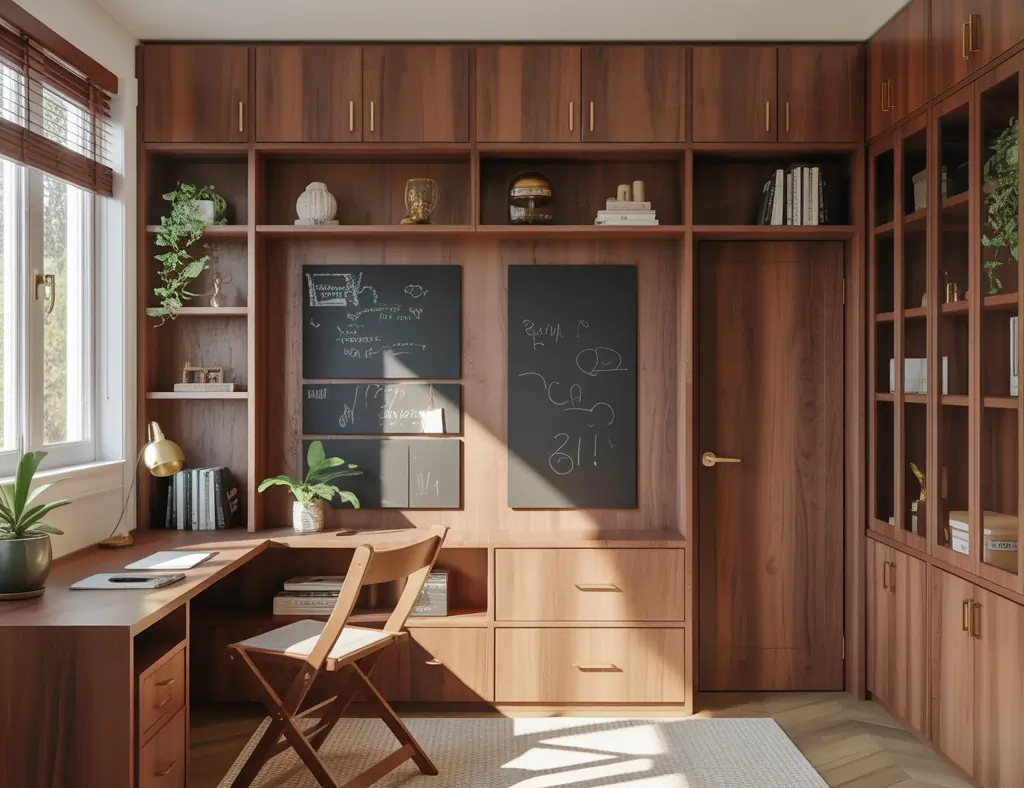
1. Floor-to-ceiling built-in bookcases with integrated desk
Maximize vertical space by running cabinetry from floor to ceiling. Tuck a floating desk or recessed work surface into the center and use upper cabinets for display and lower cabinets for concealed storage. This layout works well in narrow rooms and gives a library-like, focused atmosphere.
2. Floating built-ins for a minimalist look
Floating cabinets keep the floor visible, making small offices feel larger. Use shallow upper cabinets or wall-mounted credenzas paired with open shelves for frequently reached items.
3. Built-in desk with hidden filing and cable management
Design a desk module with a pull-out filing drawer and a rear cable grommet. Integrate a shallow chase behind the cabinet for power strips and routers to keep cords tidy and devices charged without clutter.
4. Built-in media wall for hybrid work
If your office doubles as a meeting or media room, build a media-friendly unit with recessed monitor mounts, soundbar space, and storage for AV gear. Include adjustable shelving to accommodate changing tech sizes.
5. Corner built-ins to use unused space
Corner cabinets are ideal for awkward layouts. Combine corner base cabinets with L-shaped shelving above to form a productive, ergonomic workstation.
DIY step-by-step: Build a simple built-in cabinet
This condensed guide covers a basic base cabinet run with an integrated desk surface. For more complex designs, consult detailed plans or a pro.
- Plan and measure: Measure wall height, width, and any obstructions (moldings, vents). Sketch your layout and decide cabinet depth (standard base depth 24″ works well).
- Choose materials: Use 3/4″ plywood for carcasses, 1/4″ plywood for backs, and solid wood or MDF for trim. Choose cabinet hardware and drawer slides rated for your needs.
- Build cabinet boxes: Cut panels and assemble with glue and screws or pocket holes. Ensure all boxes are square.
- Install base cabinets: Shim to level and screw through the cabinet back into studs. Join adjacent cabinets with screws through the face frames or side panels.
- Create the desktop: Use a single slab of plywood or laminate over plywood. Secure to base cabinets and add a support cleat under any overhangs.
- Add trim and finish: Apply crown molding and beadboard as desired. Caulk seams, sand, prime, and paint or stain for a finished look.
- Install hardware and organize: Mount drawer pulls, install filing hardware, and set up cable management. Add organizers, magazine holders, and baskets for efficient storage.
Practical tips and smart shortcuts
- Start with a focal point: Center built-ins around a window, door, or an existing architectural feature so the project looks intentional.
- Use stock cabinets to save money: Convert ready-to-assemble base cabinets into built-ins by trimming and adding face trim—this dramatically cuts time and cost.
- Plan for lighting: Install under-cabinet LED strips to illuminate work surfaces and adjustable puck lights for display shelves.
- Anchor to studs: Always screw into studs when mounting heavy cabinetry. Use a stud finder and long screws for safe attachment.
- Think modular: Design built-ins in replaceable modules so you can update sections later without rebuilding the entire unit.
- Match door styles to your home: Shaker doors are versatile; inset doors offer a high-end look; flat slab doors create a modern vibe.
Customization and organization ideas for real life
Every home office has unique needs—here are ways to tailor built-ins to yours:
- For creatives: Add a wide lower shelf for drawing tools, vertical slots for paper, and adjustable shelves for supplies.
- For paperwork-heavy work: Include dedicated letter-size filing drawers, labeled cubbies, and a sorting station.
- For tech/remote workers: Build a hidden charging drawer with ventilation and a power strip or include a pull-out keyboard tray and monitor arm mounts.
- For small rooms: Use glass-front upper cabinets and light paint to keep the area bright and airy.
Maintenance and finishing touches
Choose finishes that stand up to daily use—semi-gloss paint cleans easily, and polyurethane on wood surfaces protects from scratches. Add felt pads inside drawers, and use modular organizers so contents don’t shift when drawers open. For a built-in look, extend crown molding and paint the back wall the same color to create a continuous visual field.
Frequently Asked Questions
1. How much do built-in office cabinets typically cost?
Costs vary widely based on materials and customization. A DIY base-level built-in can start around a few hundred dollars when using stock cabinets and plywood; professionally built custom cabinetry often ranges from several thousand to tens of thousands. Budget-friendly approaches include using ready-made cabinets and finishing them with custom trim.
2. Can I install built-in cabinets myself if I’m not a carpenter?
Yes—many homeowners successfully install basic built-ins. Start with well-fitting stock cabinets, use simple trim to disguise gaps, and follow careful measuring and leveling practices. For complex joinery, electrical work, or load-bearing modifications, consult a professional.
3. What’s the best way to hide cords and keep a clean look?
Plan a cable channel behind cabinets, use power strips mounted inside a cabinet, and include a recessed power box behind the desk area. Grommets, adhesive cable ties, and a short UPS or surge protector in a ventilated drawer make for tidy, accessible power.
Ready to start your project? Whether you’re looking for step-by-step builds or design inspiration, explore our DIY projects and home design ideas pages for more tutorials and creative solutions. If your kitchen could use the same attention, check out our kitchen upgrades guide for matching cabinetry tips.
Conclusion: Transform your workspace with office built in cabinets ideas
Whether you take on a weekend DIY or hire a pro, thoughtful office built in cabinets ideas can turn chaos into calm, create efficient workflow zones, and add lasting value to your home. Start with a clear plan, pick materials that fit your budget, and don’t be afraid to mix open shelving with concealed storage. Ready to reclaim your workspace? Pick one idea above and begin—your future focused workdays will thank you.
Have questions about tools, materials, or layout? Ask in the comments or check our project guides to get step-by-step help.