Ever stood on your back patio while neighbors walk by and thought, “I wish I had more privacy—and a nicer view”? Whether you’re shielding a pool, creating a calm backyard retreat, or hiding an ugly utility box, privacy can transform how you use outdoor space. In this article you’ll find smart, real-world ideas for privacy fence solutions—from easy DIY privacy screens to full fence installations—so you can pick a style, save money, and get to work this weekend.
Choosing the Right Material: Pros and Cons
Before you dive into styles and designs, decide on a material. Your choice determines maintenance, lifespan, and cost. Below are common options with quick tips for DIYers.
Wood Privacy Fence
Classic and customizable. Wood is great for painted or stained finishes and can be built by most handy homeowners.
- Pros: Affordable, easy to repair, natural look.
- Cons: Needs regular sealing; vulnerable to rot if not treated.
- DIY tip: Use pressure-treated posts and cedar panels for longer life. Stain right after installation to lock out moisture.
Vinyl Privacy Fence
Low-maintenance and durable—ideal if you want a clean, modern look without frequent painting.
- Pros: Weather-resistant, easy to clean, long-lived.
- Cons: Higher upfront cost; panels can warp in extreme heat.
- DIY tip: Buy full-panel kits to simplify installation. Level your post holes carefully—vinyl panels show mistakes easily.
Metal and Composite Options
Aluminum or steel slats and composite panels offer modern aesthetics with low upkeep.
- Pros: Sleek design, less maintenance than wood.
- Cons: Can be expensive; composite can be heavy.
- DIY tip: Use powder-coated metal to resist rust, and pre-drill holes for composite screws to avoid cracking.
Living Privacy Fence (Hedges and Bamboo)
Plant-based screens—like fast-growing bamboo or clipped hedges—create a natural barrier that also helps with noise reduction and wildlife habitat.
- Pros: Eco-friendly, beautiful, cooling shade.
- Cons: Slow to establish, needs pruning and root control.
- DIY tip: Install root barriers for bamboo and stagger plants in a double row for faster visual coverage.
Creative ideas for privacy fence: style inspiration
Want something more than a plain barrier? Here are creative privacy fence ideas for backyard spaces that marry function and form.
1. Horizontal Slat Fence
Contemporary and airy—horizontal slats can be spaced tightly for complete privacy or slightly apart for light and breeze. Use cedar or ipe for a high-end finish.
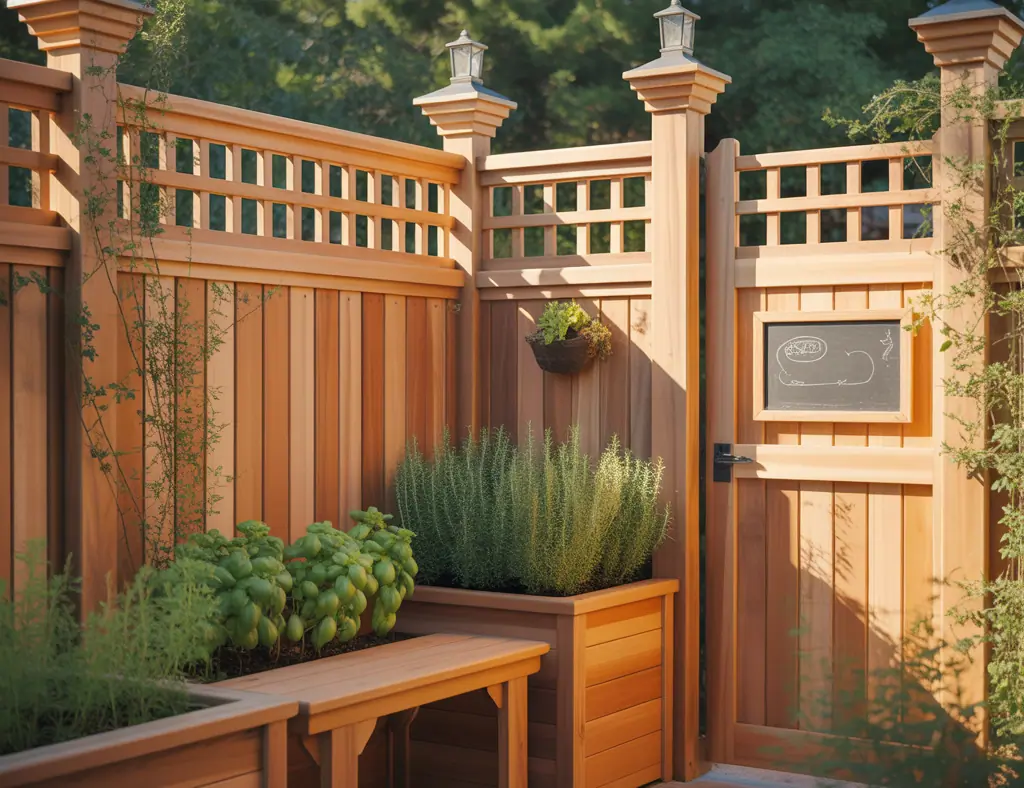
2. Lattice Top with Climbing Vines
Combine solid privacy panels with a decorative lattice top. Train roses, clematis, or jasmine to grow for a fragrant, soft barrier.
3. Mixed Materials: Wood + Metal
Mix wooden panels with metal posts or corrugated metal accents for an industrial yet warm look. This hybrid approach often reduces cost while increasing durability.
4. Planter Fence (Built-in Boxes)
Attach planters to one side of the fence or build the fence around a planter bed. This adds greenery and creates layered privacy.
5. Gabion and Stone Accent Walls
For a bold statement, use gabion cages filled with stone as a section of your privacy wall. It’s heavy, stable, and requires minimal maintenance.
Step-by-step DIY privacy fence installation
Ready to build your fence? Here’s a straightforward process you can follow. Adjust for local codes and property lines.
Tools and Materials Checklist
- Fence posts (pressure-treated wood or metal)
- Fence panels, rails, pickets, or slats
- Concrete mix for post setting
- Gravel, post-hole digger, level, string line
- Screws/nails, drill, saw, tape measure
Installation Steps
- Plan & measure: Check property lines and local fence height regulations. Sketch the layout and calculate materials.
- Mark post locations: Use string lines for straight runs; space posts typically 6–8 feet apart.
- Dig holes: Standard depth is around 1/3 of post length plus 4 inches of gravel for drainage.
- Set posts: Add concrete and ensure posts are plumb. Allow to cure 24–48 hours before attaching panels.
- Attach rails and panels: Fasten rails between posts, then attach pickets or pre-made panels. Use galvanized screws for longevity.
- Finish: Stain, paint, or seal wood. Add caps to posts to keep water out and extend life.
Pro tip: Work in sections, and complete one full panel at a time. This keeps your measurements consistent and reduces mistakes.
Maintenance and cost-saving advice
Keep your privacy fence looking great without breaking the bank.
- Inspect annually: Check for rot, loose screws, and leaning posts. Tighten and replace small parts early to avoid costly repairs.
- Seal and stain: For wood fences, a good sealant every 2–3 years extends lifespan and reduces maintenance.
- Mix store-bought panels with DIY sections: To save time and cash, buy pre-made panels for long runs and DIY accents for corners or gate areas.
- Reuse materials: Salvaged wood, old pallets (properly treated), or repurposed metal can give a unique look with lower material costs.
Frequently Asked Questions
How tall should a privacy fence be?
Most privacy fences range from 6 to 8 feet tall. Local zoning codes may limit height, so check with your municipality before building. A 6-foot fence is common for backyards and balances privacy with neighborly sightlines.
Can I install a privacy fence myself?
Yes—many homeowners successfully build their own fences. Choose materials and a design that match your skill level. Follow local building codes, use proper tools, and consider enlisting a friend for lifting heavy panels or setting posts.
What is the most low-maintenance option for a privacy fence?
Vinyl and metal fences are typically the most low-maintenance. They resist rot and require little more than occasional cleaning. Composite panels also reduce upkeep while providing a wood-like appearance.
Conclusion: Choose a style and start your privacy upgrade
With these ideas for privacy fence—from living hedges to horizontal slats—you can create a backyard that feels private, stylish, and designed for how you live. Start small with a DIY privacy screen or commit to a full fence installation this season. If you’re looking for more project ideas, check out our pages on DIY projects, kitchen upgrades, and home design ideas for inspiration.
Ready to get started? Pick a design, gather materials, and tackle your yard project this weekend—your more private backyard is just a few steps away. Share your progress or ask for advice in the comments below!