Ever walked past your narrow side yard and sighed at the tangled weeds, muddy path, or unused strip of space and thought, “There has to be an easier way”? If you’re short on time but want a tidy, attractive side space that doesn’t require a full-time gardener, you’re in the right place. This guide is packed with smart, achievable ideas for low maintenance side yard projects that you can DIY over a weekend or in a few simple phases.
Why choose a low maintenance side yard?
Side yards are often small, shady, or awkwardly shaped — perfect candidates for low maintenance landscaping. A low maintenance side yard reduces watering, mowing, and weeding while improving curb appeal and functionality (think storage, a service path, or a tranquil walkway). The goal is to spend less time on upkeep and more time enjoying your home.
Top ideas for low maintenance side yard
Below are practical design ideas, each with DIY tips and step-by-step basics so you can pick one or combine several for a cohesive look.
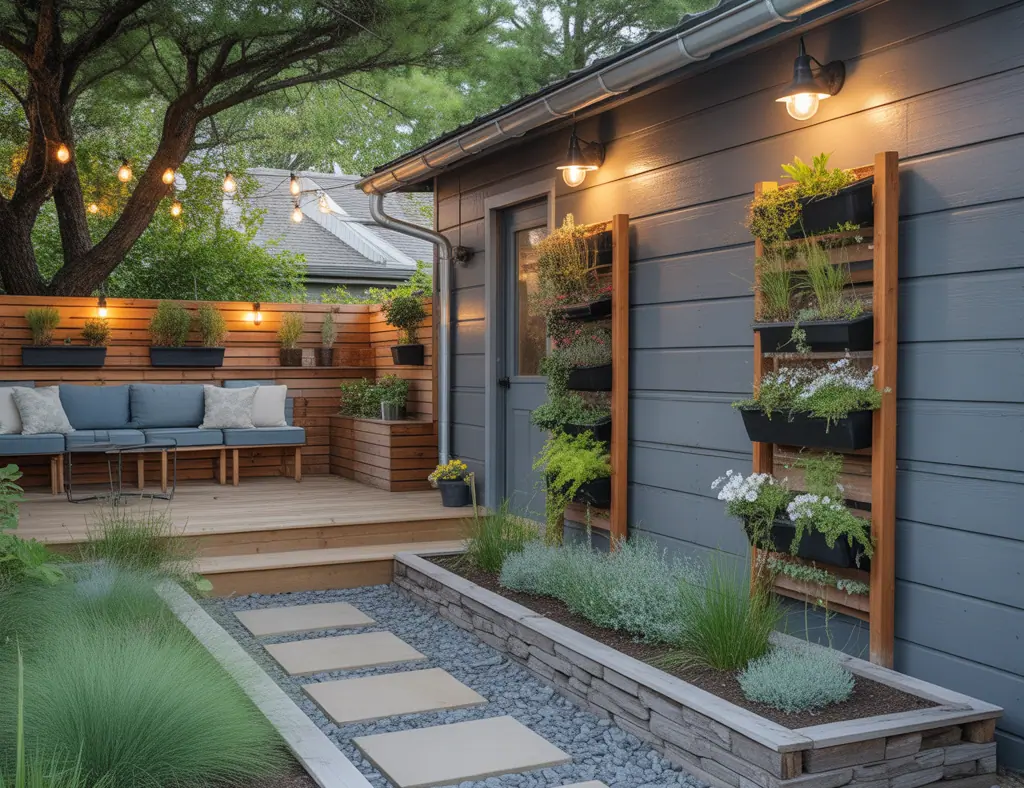
1. Gravel walkways with stepping stones
Gravel paths are inexpensive, durable, and let rain soak through. Add stepping stones for a polished look.
- Materials: landscape fabric, crushed gravel, paver stones, edging
- Steps: 1) Clear the area and level; 2) Lay landscape fabric; 3) Install edging; 4) Pour and level gravel; 5) Set stepping stones on gravel and compact.
- DIY tip: Use compacted crushed rock under the fabric for better drainage and a firmer surface.
2. Artificial turf strip
For homeowners who want green without mowing, artificial turf on a narrow strip is low maintenance and pet friendly.
- Materials: base aggregate, weed barrier, turf, adhesive or turf nails
- Steps: 1) Excavate to depth; 2) Add compacted base; 3) Install fabric; 4) Lay turf and secure edges; 5) Brush infill if required.
- DIY tip: Choose permeable turf and install a slight slope for drainage to avoid puddles.
3. Native, drought-tolerant plant beds
Planting natives reduces watering and pest problems. Group by water needs and use mulch to cut down on weeds.
- Plant ideas: ornamental grasses, lavender, sedum, Russian sage, and native groundcovers.
- Steps: 1) Amend soil with compost; 2) Place plants in groups; 3) Mulch 2–3 inches thick; 4) Water deeply when establishing, then reduce frequency.
4. Succulent and rock garden (xeriscape)
Xeriscaping pairs well with sunny, narrow yards. Succulents like hens-and-chicks and sedum need minimal watering.
- Design tip: Use a mix of rocks, gravel, and shallow raised beds to create texture and reduce plants needed.
5. Shade-tolerant groundcovers for dark sides
For shady areas, use groundcovers such as ajuga, mondo grass, or pachysandra to eliminate lawn care. They suppress weeds and soften the space.
6. Raised planter boxes and container gardens
Raised planters keep planting contained, make weeding easier, and let you control soil quality—great for veggies, herbs, or decorative plantings.
- DIY tip: Build simple cedar boxes or repurpose large containers with good drainage; place them along the wall to free up the walking path.
7. Vertical gardens and trellises
Save ground space by growing up. Vertical planters, trellises, and wall-mounted boxes are perfect for vines, herbs, or succulents.
- Installation tip: Anchor metal frames or wooden trellises into studs or masonry for stability.
8. Low-maintenance lighting and privacy screens
Solar path lights and LED string lights require minimal wiring. Add a bamboo screen or lattice for privacy without constant upkeep.
9. Permeable stepping pads for utility access
If your side yard is an access path to your backyard or utilities, install permeable pavers spaced with gravel to allow drainage while keeping a tidy walking path.
10. Built-in storage and multifunctional elements
Consider bench seating with storage or a narrow shed to stash tools. This keeps the area uncluttered and reduces the temptation to store items on grass or beds.
Practical DIY tips and checklist
Before you start, use this checklist to avoid common mistakes:
- Assess sunlight and drainage — plan plants and materials accordingly.
- Mark utilities before digging.
- Choose low-maintenance materials: gravel, pavers, composite decking, weatherproof storage.
- Install a weed barrier under mulch or gravel, but leave planting holes for native plants to breathe.
- Add drip irrigation with a timer for planted beds to save time and water.
- Think modular: build projects in phases so you can spread cost and effort.
Design inspiration: styles that work well for a side yard
Match the style to your home and time commitment:
- Modern minimalist: clean lines, concrete pavers, monochrome gravel.
- Mediterranean: terracotta pots, lavender, and rosemary with crushed stone.
- Japanese Zen: stepping stones, river gravel, bamboo screen, and a single focal plant.
- Informal cottage: narrow raised beds, herbs, and path of reclaimed brick.
Budgeting and timeline
Many of these projects can be completed in a weekend with basic tools. Gravel walkway or stepping stone installs often cost less than $200 in materials for a short run. Raised beds and vertical planters are scalable — build one at a time. Plan drought-tolerant planting over a season to allow plants to establish gradually.
Frequently Asked Questions
Q: How much sun does a side yard need for low-maintenance plants?
A: That depends on the plant choices. Sunny strips (6+ hours) suit succulents, lavender, and ornamental grasses. Shady sides (less than 4 hours) work best with mondo grass, ajuga, ferns, and hostas. Assess the light across the day before selecting plants.
Q: Will a weed barrier stop all weeds?
A: A good landscape fabric under gravel or mulch reduces weeds significantly but won’t eliminate them entirely—seeds can blow in on top of the mulch. Use 2–3 inches of mulch or gravel and maintain edges to minimize invasion. Hand-pull or spot-treat any persistent weeds.
Q: Is artificial turf a good solution for narrow side yards?
A: Artificial turf is low maintenance and visually tidy, but consider drainage, initial cost, and heat (some turf warms more in full sun). For a narrow side yard used as a pet run or visual green strip, it’s often an excellent choice when installed properly.
Conclusion: Start small, think long-term
With the right plan, transforming an overlooked strip into a beautiful, low-maintenance side yard is entirely doable. Pick one idea from this list — a gravel path, a line of raised planters, or a vertical succulent wall — and tackle it as a weekend project. You’ll reduce chores, boost curb appeal, and create usable space that lasts. Ready to get started? Browse more home inspiration on our DIY projects page or get design ideas from our home design ideas section for step-by-step plans and material lists.