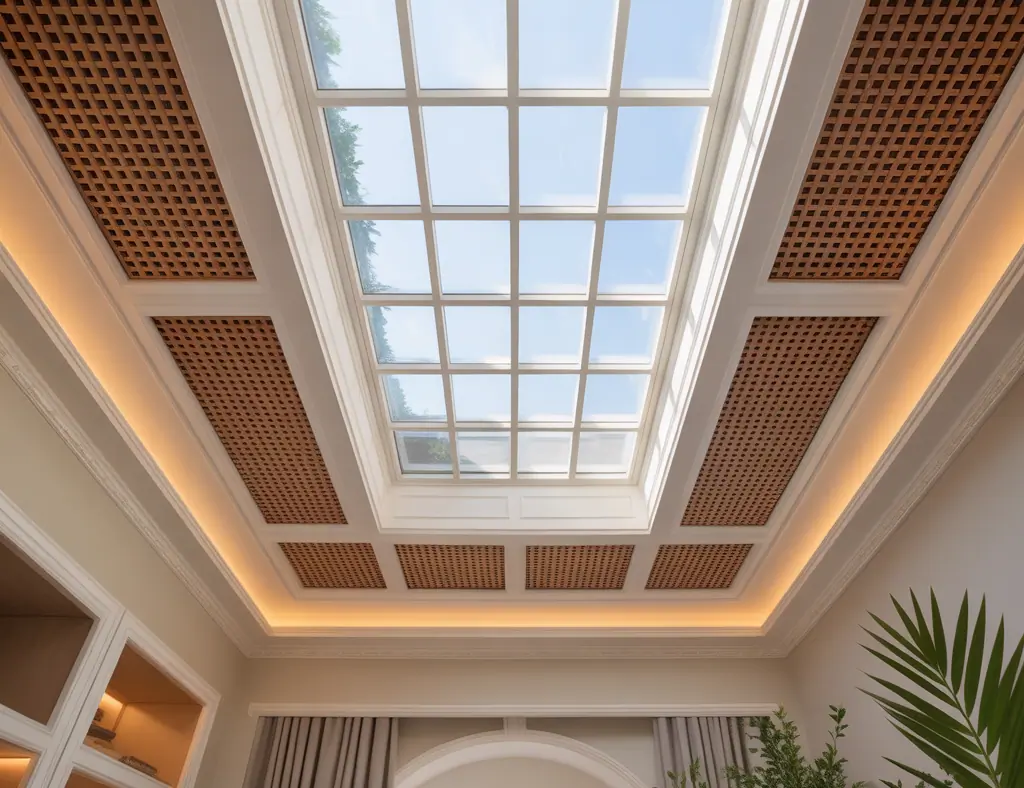
Have you ever stood in your living room, staring up at a plain, tired ceiling and wondered how a small change could completely transform the space? Whether you’re prepping for a paint refresh, dealing with textured or popcorn ceilings, or dreaming of a dramatic focal point, ceiling makeovers are one of the most impactful home improvements you can tackle. This guide on ideas ceiling design walks you through realistic DIY projects, lighting strategies, and professional tips so you can raise the style of any room.
Why focus on ceiling design?
Ceilings are often neglected, but they define volume, light distribution, and the overall mood of a room. A well-designed ceiling can make low spaces feel taller, add historic charm with molding, or create a modern statement with recessed lighting and clean lines. From coffered ceilings to painted accent ceilings, the right approach can elevate your entire home design.
Top ideas ceiling design to try this weekend
Below are approachable ceiling design ideas for different budgets and skill levels — each includes DIY tips and when to call a pro.
1. Painted accent ceiling
Best for: Living rooms, bedrooms, dining rooms. A bold color draws the eye upward and defines the space.
- DIY tip: Use ceiling-grade paint and a flat finish to hide imperfections. Tape off crown molding for crisp lines.
- Step-by-step: Clean and prime, cut in edges, roll with a 9″ roller, allow two coats.
2. Faux wood beams or reclaimed wood planks
Best for: Farmhouse, rustic, or cozy cottage vibes. Lightweight faux beams are easy to install with screws and adhesive.
- DIY tip: Use MDF or hollow-core faux beams for easier handling and less structural work.
- Real-world advice: Secure beams to studs or use angle brackets; for heavy timbers, hire a contractor.
3. Coffered or tray ceilings for architectural interest
Best for: Formal dining rooms, master suites. Coffered ceilings create depth and elegant shadows.
- DIY tip: Small coffered patterns can be built with MDF trim boxes. Measure carefully and test layouts on the floor before installation.
- When to hire a pro: If you plan to reframe or change ceiling height, call a carpenter or contractor.
4. Recessed lighting and layered illumination
Best for: Kitchens, living rooms, home offices. Lighting transforms how a ceiling reads — use a mix of ambient, task, and accent lights.
- DIY tip: Replace a single light with multiple LED recessed cans for even light distribution. Use a stud finder to avoid wiring and joists.
- Safety note: Any electrical work beyond swapping fixtures should be done by a licensed electrician.
5. Textured or plaster finishes
Best for: Historic homes or cozy rooms. Decorative plaster, Venetian finishes, or subtle textures can add depth and disguise imperfections.
- DIY tip: Start small with a skim coat or use a pre-mixed texture for beginners.
- Real-world advice: For elaborate plasterwork, hire an artisan for best results.
Budget-friendly ceiling makeover ideas
Not every ceiling update requires a big budget. Here are inexpensive options that have big impact:
- Fresh white or contrasting paint — under $100 for most rooms.
- Crown molding or decorative trim — use lightweight MDF for lower cost and easier installation.
- Peel-and-stick ceiling tiles — great for renters or temporary updates.
- Ceiling medallions to highlight light fixtures — inexpensive and classic.
Step-by-step ceiling improvement checklist
- Assess the condition: Look for stains, cracks, or sagging. Address leaks before cosmetic work.
- Choose your design: Painted, coffered, wood planks, or lighting-focused.
- Measure and purchase materials: Account for waste (10–15% extra for planks or tiles).
- Prepare the surface: Clean, sand, and prime as needed.
- Install structural elements first: Beams, boxes, or framing come before paint and lighting.
- Finish with paint and fixtures: Install lighting last to ensure proper wiring and placement.
Practical tips for working safely on ceilings
Ceiling projects involve overhead work — take precautions:
- Use a sturdy ladder and an extra pair of hands for heavy pieces.
- Wear eye protection and a dust mask, especially when removing popcorn texture or sanding plaster.
- Check for asbestos in homes built before 1980 before disturbing textured ceilings.
- Hire licensed electricians for wiring, and contractors for structural changes.
Design inspiration by room
Kitchen ceiling ideas
Open-beam ceilings, shiplap panels, or recessed lighting with pendant accents work well in kitchens. Consider painted beams or a light-reflective finish to improve task lighting. (See related kitchen upgrades)
Living room and dining room ceiling ideas
Make a statement with coffered ceilings, ornate medallions, or contrasting colors. Add dimmable lighting to set the mood.
Bedroom ceiling ideas
Soft colors, tray ceilings, and concealed LED cove lighting create a peaceful sanctuary. A painted “sky” or subtle metallic finish can be a romantic touch.
Materials and tools you’ll need
- Paint (ceiling-grade), brushes, rollers, extension poles
- MDF trim, crown molding, or faux beam kits
- Measuring tape, stud finder, miter saw for trim, adhesive, finish nails
- Safety gear: ladder, gloves, goggles, dust mask
When to hire a professional
If your project requires structural changes, major electrical rerouting, or asbestos removal, bring in licensed professionals. Even for ambitious decorative plaster or custom coffered ceilings, a pro can save time and prevent costly mistakes.
Frequently Asked Questions
Q: Can I paint over a popcorn ceiling?
A: Yes, you can paint over popcorn ceilings if they’re in good condition and free of asbestos. Use a thick-nap roller and ceiling paint. For damaged or stained popcorn ceilings, consider removal or skim coating first — take proper safety precautions.
Q: How much does a ceiling redesign typically cost?
A: Costs vary widely. A basic paint job might be $100–$500 DIY, while professional coffered ceilings or beam installations can run several thousand dollars. Establish a budget and prioritize lighting and structural safety first.
Q: What’s the easiest way to make a low ceiling feel taller?
A: Use light, cool paint colors on the ceiling, install vertical wall treatments, and avoid heavy hanging fixtures. Recessed lighting and continuous crown molding can visually raise the ceiling height.
Conclusion — Start your ideas ceiling design project today
Transforming your ceiling is one of the most rewarding home improvements — it’s visible, dramatic, and doable at many budgets. Whether you try an accent paint, add faux beams, or plan a full coffered ceiling, these ideas ceiling design tips will help you plan, execute, and enjoy the results. Ready to get started? Browse related projects for inspiration and tackle a weekend makeover from our DIY projects gallery.
See DIY projects | More home design ideas
Call to action: Pick one idea from this list, measure your space, and schedule a weekend to try it — then share your before-and-after photos to inspire others.