Have you ever stood in a spare bedroom, under-stair nook, or empty corner and thought, “I could make something really useful here?” Whether you’re a parent looking for a calming space for a child, a DIY enthusiast wanting a cozy retreat, or a caregiver seeking a sensory-friendly room for someone with autism or ADHD, turning a small area into a multi-sensory environment is one of the most rewarding home improvement projects you can do. In this guide, you’ll find practical, budget-friendly ideas sensory room owners and DIYers can implement step-by-step.
Why build a sensory room at home?
Sensory rooms—also called calm-down corners, sensory spaces, or multi-sensory environments—are designed to provide controlled sensory input (light, sound, touch, and movement). Benefits include reduced anxiety, improved focus, better emotional regulation, and a safe place to explore sensory stimulation. You don’t need a dedicated room; even a corner in the living room or bedroom can be transformed with a few smart updates.
Top ideas sensory room to try this weekend
Below are effective, realistic projects broken into zones you can mix and match based on available space and budget.
1. Calming lighting: fiber optics and color LEDs
- Install a dimmable LED strip or smart bulbs for adjustable color temperature and brightness.
- Add a small fiber optic kit or a tabletop bubble tube for visual stimulation—safe, low-heat options are best.
- DIY tip: mount LED strips under shelves or behind a headboard for indirect glow; use a remote or app for easy control.
2. Tactile wall and sensory panels
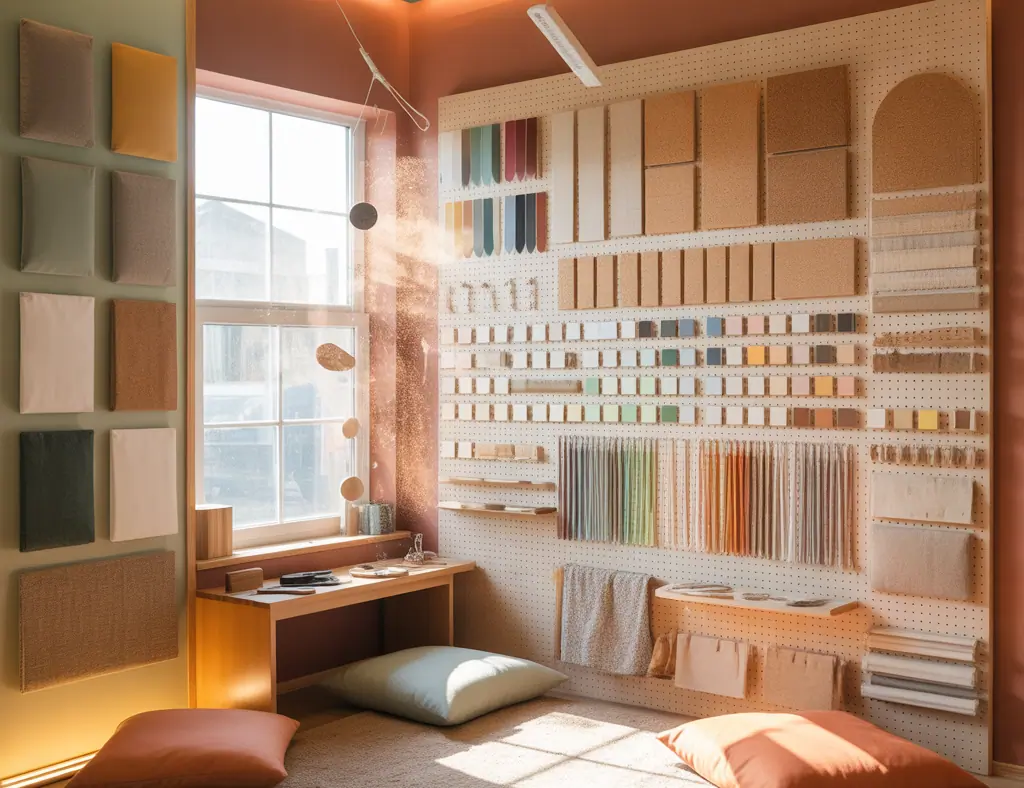
- Create a tactile board using foam, carpet squares, fabric swatches, and velcro-attached panels for interchangeable textures.
- Use non-toxic adhesives and secure edges to prevent peeling. Consider removable panels if you rent.
- DIY tip: repurpose old rugs or fabric samples to keep costs down and add a variety of feels.
3. Movement zone: swings, crash mats, and balance beams
- Install a secure ceiling-mounted swing or use a doorway swing for smaller spaces—ensure joist support and follow weight limits.
- Provide a soft landing with a folding gym mat or layered rugs for jumping and rolling.
- DIY tip: create a low-cost balance beam from a wide plank padded with foam and covered in anti-slip tape.
4. Sound and vibration: soft music and tactile speakers
- Choose calming playlists or white-noise options and keep volume at safe levels.
- Consider tactile/vibrational cushions that pair with speakers to add safe, soothing vibration.
- DIY tip: use a Bluetooth speaker tucked under cushions and add a fabric cover to soften sounds.
5. Cozy corner: weighted blankets, bean bags, and privacy tents
- Design a snug nook with a tent, canopy, or curtain to create privacy and reduce visual overstimulation.
- Include a weighted blanket (appropriate weight for the user), a bean bag, and soft pillows for comfort.
- DIY tip: sew removable covers for cushions to make cleaning easy and swap textures seasonally.
6. Aroma and sensory bins
- Use safe essential-oil diffusers at very low concentrations (and check for allergies) or use scented sachets for subtle aroma therapy.
- Create sensory bins with rice, beans, foam beads, or kinetic sand—rotate contents for novelty.
- DIY tip: store bin materials in lidded containers to keep things tidy and swap them out for new themes.
Planning and safety checklist before you start
Before drilling, painting, or installing lights, run through this quick checklist:
- Measure the space and plan zones (visual, tactile, auditory, movement).
- Check ceiling joist capacity for swings and heavy mounts—consult a pro if unsure.
- Use non-toxic, washable materials where possible and secure small pieces to prevent choking hazards.
- Keep electrical cords tidy and out of reach; use outlet covers and surge protectors.
- Include easy-to-clean surfaces and machine-washable covers for hygiene.
Step-by-step: Build a simple sensory corner in one afternoon
- Choose a corner with limited foot traffic and measure the area.
- Paint or hang a calming backdrop (soft blues, greens, or warm neutrals).
- Install a dimmable LED strip along the wall or behind a curtain for indirect lighting.
- Set down a soft rug or mat and add a bean bag or floor cushions.
- Create a tactile board mounted at child-height and place a small shelf for sensory bins and a Bluetooth speaker.
- Add a canopy or curtain for privacy and finish with a weighted blanket and a few familiar toys or fidget items.
Design inspiration: themes, colors, and finishes
Keep design simple and intentional. Popular sensory room themes include nature (forest greens, wood textures), ocean (blues, soft wave lighting), and space (dark backdrop with fiber-optic “stars”). Soft matte paints reduce glare. Use natural fibers like cotton and wool for breathability. Focus on calming palettes and incorporate one accent color or texture to draw attention without overwhelming the senses.
Real-world advice from pros
- Start small: test single elements (e.g., lighting + tactile board) before investing in big equipment.
- Involve the user: let them choose colors, textures, and sounds where appropriate to increase ownership and comfort.
- Budget options: thrift stores and fabric remnants are fantastic resources—repurpose cushions and soft furnishings.
- Maintenance: vacuum rugs weekly, wash covers monthly, and inspect equipment regularly for wear and safety.
Frequently Asked Questions
1. How much does it cost to create a sensory room at home?
Costs vary widely. A basic corner with LED lights, cushions, and a tactile board can be done under $150. Mid-range setups with bubble tubes, swings, or dedicated equipment usually run $500–$2,000. Professional-grade installations and furniture can cost more. Start with affordable elements and add as needed.
2. Can I make a sensory room in a small apartment?
Absolutely. Many sensory room ideas are scalable: create a portable sensory corner using a foldable mat, a pop-up tent, battery-powered LED lights, and compact sensory bins. Use wall-mounted storage and removable adhesive hooks to avoid permanent changes.
3. Are sensory rooms only for children with special needs?
No. Sensory-friendly spaces benefit people of all ages—adults use them for stress relief, naps, meditation, and focus. Tailor the room’s features to the individual’s needs and preferences.
Conclusion — Try one of these ideas sensory room projects this weekend
Transforming a spare room or cozy corner into a sensory sanctuary is a high-impact, low-stress DIY project that improves wellbeing for kids and adults alike. Start small with lighting and tactile elements, test what helps, and build the space over time. Ready to begin? Check out more step-by-step guides in our DIY projects section, or get inspired by additional home design ideas. If you’re renovating nearby rooms too, take a look at some smart kitchen upgrades to refresh your whole home. Share your sensory room makeover and let us know which ideas worked best for you!