Have you ever stared at a blank wall and thought it could be doing more—especially when everyone in the house or office deserves a little spotlight? Whether you’re finishing a weekend kitchen refresh or organizing a proud family corner, a recognition board is the simplest, most meaningful upgrade that turns achievements into daily motivation. In this post you’ll find practical, budget-friendly ideas for recognition board projects, step-by-step DIY tips, and design inspiration to make recognition part of your home or workspace.
Why add a recognition board? Benefits and quick wins
A recognition board—also called an appreciation board, achievement board, or award display—does more than decorate a wall. It builds morale, creates ritual, and showcases progress. At home, it can recognize chores, study milestones, or family wins. In a small office or co-working space, it becomes an employee recognition board that boosts engagement and improves workplace culture. Quick wins include an eye-catching focal point, better daily routines, and a positive, reinforced atmosphere.
Creative ideas for recognition board (styles & themes)
1. Simple corkboard with colorful pins
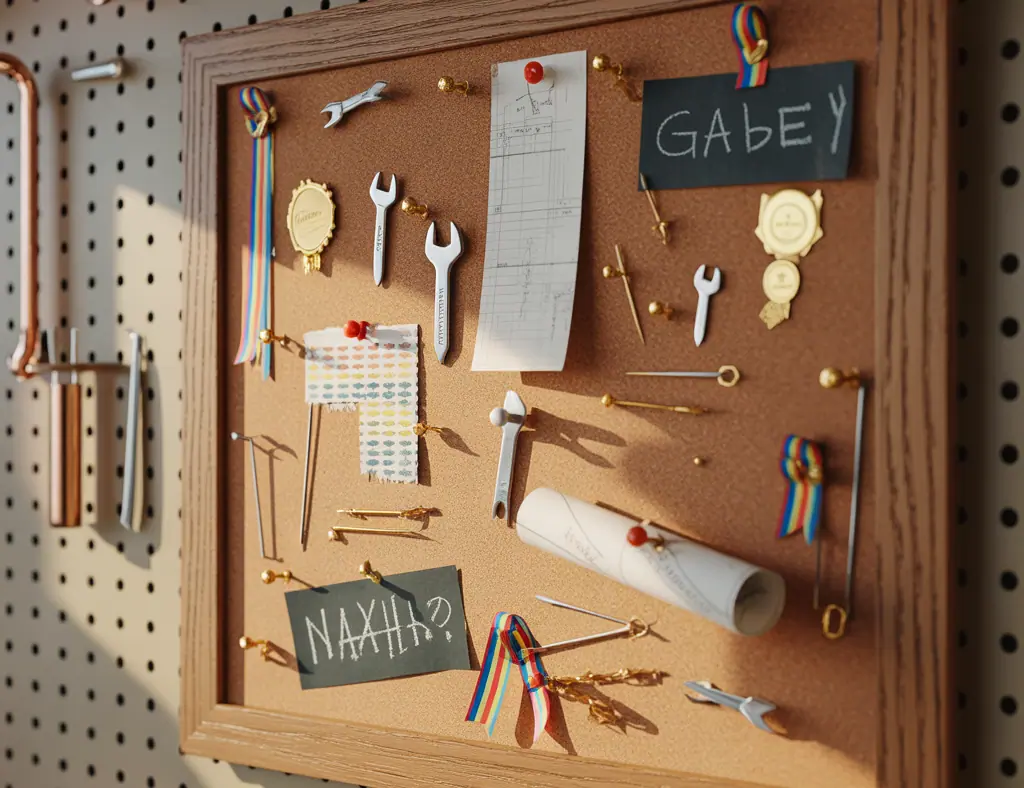
Materials: medium cork panel, frame (optional), decorative push pins or ribbons. Use cards or printed certificates pinned in rows. Color-code pins for categories like “homework,” “helpful acts,” or “team wins.” This is inexpensive and flexible—swap items weekly to keep momentum.
2. Magnetic recognition wall
Materials: magnetic paint or sheet, magnetic photo holders, metallic tokens. Magnetic boards let you move pieces around easily and work great in kitchens or open-plan offices. Use fridge-style magnets shaped like stars or hearts as small rewards.
3. Clipboard gallery
Mount a row of clipboards on the wall—each clipboard equals a person, room, or goal. Clip up certificates, photos, or handwritten shout-outs. This format is clean, modern, and encourages rotation of content.
4. Pegboard with hooks and shelves
Materials: pegboard panel, hooks, small shelves, clothespins. Hang small tokens, badges, or mini trophies. Pegboards are modular so you can change layout as achievements evolve.
5. Chalkboard or whiteboard wall
Paint a small wall with chalkboard or install a whiteboard. Write names and weekly achievements; add stickers or magnet-backed rewards. This interactive option is great for classrooms and family command centers.
6. Rustic framed fabric board
Stretch burlap or decorative fabric over a wooden frame and staple it on the back. Use clothespins or tacks to attach notes and photos for a warm, cottage-style display.
7. Digital recognition board
Use a tablet or repurposed monitor to display a rotating slideshow of achievements, photos, and thank-you messages. This hybrid approach is perfect for tech-forward offices where team recognition rotates constantly.
8. Ribbon wall of fame
Hang different lengths or colors of ribbon from a rod or reclaimed wood board. Attach tags with names and accomplishments—this makes for a playful and tactile display.
9. Wall-mounted shadowbox gallery
Install several small shadowboxes for three-dimensional tokens—medals, shells from family trips, or small awards. Label each with the date and a short note to make memories tangible.
10. Mini-trophy shelf
A narrow floating shelf with mini trophies or award plaques works well in a hallway or office. Rotate items seasonally to keep the display fresh and meaningful.
DIY step-by-step: Build a simple recognition board
Here’s an easy project that uses basic tools and materials—perfect for first-time DIYers.
- Materials: 18×24 corkboard, picture frame (optional), acrylic paint or stain, push pins, labels, ruler, pencil, hanging hardware.
- Prep: Measure the wall space and choose a visible spot near traffic areas—kitchen, entryway, or office wall. Clean the wall and mark studs if you’ll hang heavy frames.
- Finish the board: Paint or stain the frame for a coordinated look. If you’re framing the cork, secure it inside the frame with staple gun or craft glue.
- Layout: Divide the board visually into sections (e.g., “This Week,” “Milestones,” “Shout-outs”). Use a pencil and ruler to lightly mark boundaries.
- Add labels: Create printable labels or handwrite tags for each section. Attach them with decorative tape or small tacks.
- Decorate and mount: Attach photos, printed certificates, and small rewards using pins or clips. Hang the board using wall anchors or picture hangers.
- Establish a routine: Set a weekly time to update the board—Sunday evenings or Monday mornings work well. Make recognition part of family or team rituals.
Design inspiration and layout tips
Keep these practical design rules in mind:
- Choose contrast: Light labels on a dark board (or vice versa) improve readability.
- Scale to space: A large hallway can handle a gallery wall; a small nook benefits from a single clipboard or shadowbox.
- Use consistent typography: Print labels in one or two fonts for a tidy appearance.
- Add color coding: Assign colors for categories like effort, improvement, teamwork, or kindness.
- Mix textures: Combine cork, metal, fabric, and wood for visual interest.
Placement and maintenance: Real-world advice
Mount the recognition board at eye level (about 57–60 inches from the floor to the center) so everyone can read and interact with it. In high-traffic zones keep materials laminated or in plastic sleeves to prevent wear. For offices, place the board near communal areas like break rooms to maximize visibility. Update entries frequently and consider a monthly “highlight” ceremony to keep people engaged.
Frequently Asked Questions
1. What is the best material for a recognition board?
Cork and pegboard are versatile and budget-friendly. Magnetic sheets are excellent for flexibility, while chalkboard or whiteboard paint adds an interactive element. Choose based on how often you’ll update the board and the look you want.
2. How do I encourage regular use of a family or office recognition board?
Make it part of a routine—recognize achievements at a weekly family meeting or end-of-week huddle. Offer small incentives like a “star of the week” reward, and actively ask people to contribute notes or photos to build buy-in.
3. Can a recognition board work in a small apartment or tiny office?
Yes—opt for a compact clipboard, a slim magnetic strip, or a tablet-based digital board. Even a framed fabric panel or ribbon display on a small wall can create a meaningful recognition corner without taking up much space.
Ready to try one? Start with a small project and grow it over time—swap elements, try new materials, and keep the focus on meaningful recognition.
Conclusion
Choosing the right ideas for recognition board can transform a blank wall into a hub of positivity and accomplishment. Whether you install a simple corkboard in the kitchen, a digital recognition display in the office, or a rustic fabric board in the hallway, these projects are affordable, achievable, and deeply rewarding. Pick one design, gather a few supplies, and commit to a weekly update—you’ll be surprised how much a little recognition changes the mood of a home or workplace.
If you’re excited to build your own, explore more DIY projects for step-by-step guides, refresh your space with related home design ideas, or pair your recognition board with a small refresh from our kitchen upgrades tips for a cohesive look. Share your finished projects or questions below—let’s make recognition a habit.
Consider adding an ‘Engagement Brunch’ section to your recognition board for special occasions. Check out these Ideas Engagement Brunch for inspiration.
For more engagement ideas, check out our Ideas Engagement Brunch post.
For some design inspiration, check out Home Decor Inspo.