Ever found yourself squinting at your kitchen table, laptop balanced on a pile of cookbooks, dreaming of a quiet workspace just steps from your back door? If you’re juggling remote work, family life, and the desire for fresh air, creating a garden office can be the perfect home improvement solution. In this post I’ll share practical ideas for garden office setups — from budget-friendly shed conversions to high-end garden pods — plus step-by-step DIY tips to get your project started today.
Why build a garden office?
A garden office gives you separation between home and work without the commute. It increases productivity, adds value to your property, and creates a dedicated creative space. Whether you’re after small garden office ideas for a compact backyard or a spacious studio for client meetings, there’s a solution for every budget and skill level.
Top ideas for garden office: layouts, styles, and uses
Below are practical concepts to match different needs — quiet study, workshop, creative studio, or client-facing office.
1. Converted shed office (budget-friendly)
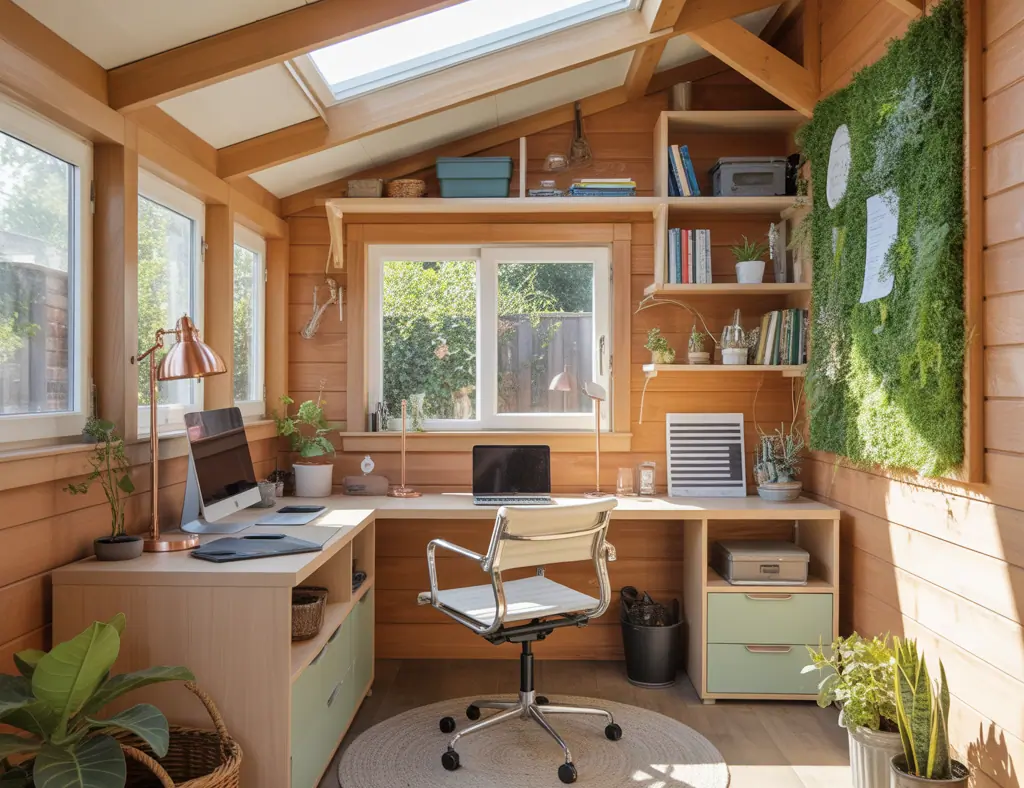
- Convert an existing shed: repair the roof, add insulation, install a window, and run electricity.
- DIY tip: use foam board insulation inside the walls and a vapour barrier to control condensation.
- Best for: low cost, quick turnaround, small budgets.
2. Garden office pod (modern and modular)
- Prefabricated pods offer fast installation and clean lines. Choose a pod with good glazing for natural light.
- Design idea: place on a level patio, add decking, and integrate planter boxes for privacy.
3. Green-roof studio (eco-friendly)
- Install a lightweight green roof to improve insulation and blend the office into the landscape.
- Tip: consult structural guidance — green roofs add weight; use sedum mats for low maintenance.
4. Container office (industrial aesthetic)
- Shipping containers are durable and customizable. Cut windows, insulate with spray foam or rigid board, and add efficient HVAC.
- Great for: larger workspaces, workshop conversions, and long-term installations.
5. Glass studio or sunroom (light-filled workspace)
- Use large glazed panels or bi-fold doors to bring the garden in. Include blinds for glare control.
- Practical note: choose low-E glass and consider shades for temperature control.
Step-by-step: how to create your garden office (DIY-friendly)
Follow this basic roadmap to turn an idea into a finished workspace.
- Plan and check rules — measure your space, check local planning rules and permitted development exemptions, and set a budget.
- Choose your type — shed conversion, pod, container, or custom build. Consider insulation and heating needs based on year-round use.
- Prepare the site — level ground, install a concrete pad or sleepers for decking, ensure drainage, and think about access for electricians/contractors.
- Structure and shell — repair or build walls and roof. For DIY, use treated timber framing and exterior cladding like cedar or composite board.
- Insulation & waterproofing — insulate walls, floor, and roof; fit a vapour barrier; seal all gaps to prevent drafts and damp.
- Power & connectivity — plan circuits, install sockets, and choose wiring routes. Consider a dedicated RCD-protected circuit and wired ethernet or high-quality Wi‑Fi extenders.
- Interior finishes — install durable flooring (laminate or vinyl), plasterboard, and paint. Fit lighting zones: ambient, task, and accent.
- Furniture & layout — ergonomic desk and chair, shelving for storage, and cable management. Create zones for work, meetings, and relaxation if space allows.
Design inspiration and practical tips
Small details make a big difference. Use these tips to elevate a simple structure into an inspiring workspace:
- Layer lighting — combine overhead LED panels with desk lamps and under-shelf lighting for a comfortable, glare-free environment.
- Insulate floors with underlay and use rugs for comfort and sound absorption.
- Create acoustic dampening using cork panels, fabric wall panels, or heavy curtains if you take calls regularly.
- Manage condensation with a small trickle vent or mechanical ventilation in well-insulated spaces.
- Landscape for privacy — plant fast-growing hedges or use trellis with climbing plants to screen views.
Real-world considerations
Be realistic about costs, time, and skills. A simple shed conversion can be completed in a weekend or two of evenings, while a custom pod or container conversion may need permits and contractor input. Estimate realistic timelines and add contingency for weather and delivery delays.
Budget breakdown (rough guide)
- Basic shed conversion: materials & electrics — £800–£3,000
- Prefabricated pod: £6,000–£15,000 depending on size and fittings
- Container conversion: £8,000+ (depending on cutting, insulation, and finishes)
Decor and ergonomics: make it a place you want to work
Choose calming colours, add plants to boost air quality and mood, and invest in an adjustable desk and supportive chair. Use vertical storage to keep floors clear and opt for multi-functional furniture (a fold-down client table or wall-bed for multi-use studios).
Frequently Asked Questions
1. Do I need planning permission for a garden office?
It depends on size, location, and local rules. Many small garden offices qualify under permitted development but check height limits, distance from boundaries, and use (if you run a business and expect clients, different rules may apply). When in doubt, consult your local planning office.
2. How do I heat and cool a garden office efficiently?
Options include electric panel heaters, portable heat pumps (efficient and provide cooling), or underfloor electric mats for small spaces. Good insulation and double/triple glazing reduce energy use. For ventilation, consider a small MVHR or an extractor with a timer if you’re in a very airtight space.
3. What’s the quickest DIY garden office project?
Converting an existing shed with insulation, flooring, a window, and basic electrics is usually the fastest route. With planning and materials ready, many homeowners can complete a functional workspace over a few weekends.
Final checklist before you start
- Confirm budget and timeline
- Ensure planning/building rules are met
- Decide power and data needs
- Order materials and any prefabricated components
- Plan for weather and storage of materials
Conclusion — Bring your ideas for garden office to life
Whether you choose a budget shed conversion or a sleek garden pod, the right garden office can transform your work-life balance and add value to your home. Start with a clear plan, prioritize insulation and connectivity, and tackle what you can as DIY — calling in a pro where needed. Ready to take the next step? Browse our DIY projects for step-by-step guides, or explore more inspiration in our home design ideas and kitchen upgrades sections to continue improving your whole house. Share your garden office plans in the comments — I’d love to help you refine them.