Ever bought a few plants and felt disappointed because the plastic nursery pots ruined the look of your carefully styled shelf or patio? You’re not alone. Whether you’re refreshing a tiny apartment balcony or staging a backyard for summer, choosing the right planter design can make the difference between a forgettable plant and a striking focal point. In this article you’ll find practical, stylish, and budget-friendly ideas for flower pot design that you can DIY this weekend.
Why flower pot design matters
Planter style affects more than aesthetics. The right flower pot supports plant health, complements your decor, and can even optimize space (think vertical planters for small patios). These design ideas for flower pots will help you blend function and beauty—so your indoor plants thrive and your home looks polished.
Ideas for flower pot design: trending styles and concepts
1. Painted terracotta — simple, high-impact
Terracotta pots are inexpensive and take paint well. Go for geometric patterns, an ombré effect, or chalkboard paint for seasonal messages. This is a perfect entry-level DIY planter project.
- Clean and sand the pot.
- Prime with an acrylic primer.
- Apply two coats of exterior acrylic paint.
- Seal with a water-repellant varnish if using outdoors.
2. Upcycled planters — give old items new life
Repurpose objects like old boots, teapots, wooden crates, or metal cans into whimsical planters. Drill drainage holes if needed and use a layer of gravel before soil to improve drainage. Upcycling is an eco-friendly way to create unique container gardens.
3. Modern concrete planters — minimal and durable
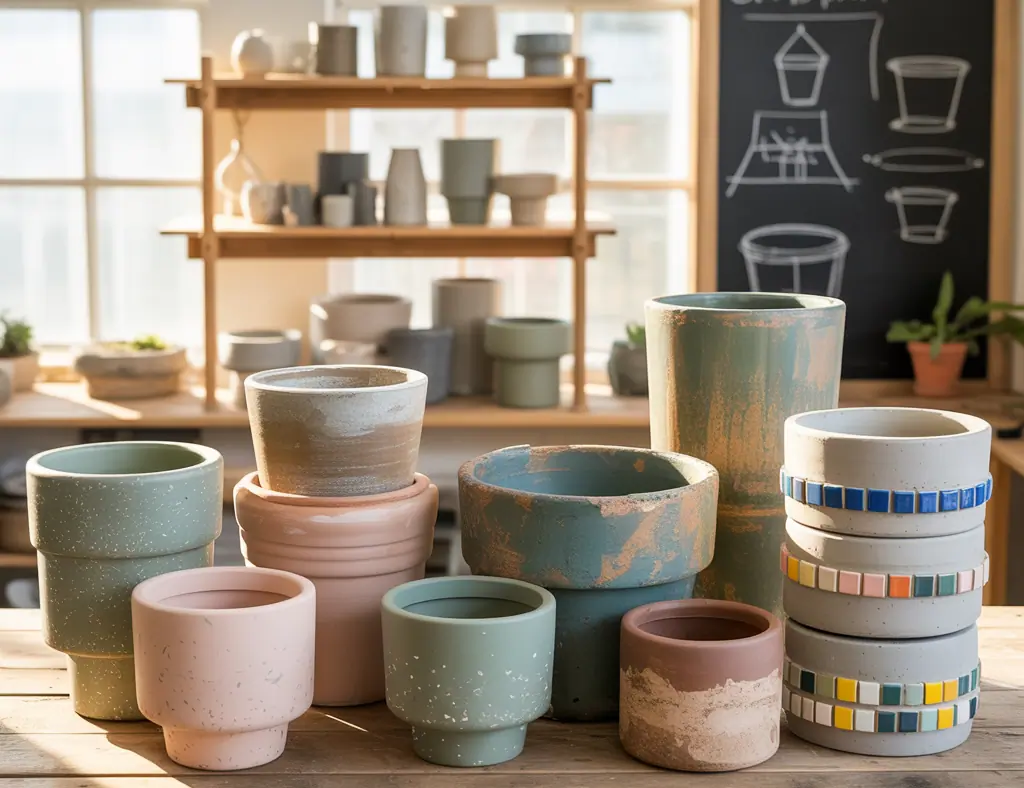
DIY concrete planters lend a modern, industrial vibe. Use silicone molds (or make boxes from wood) and let the concrete cure fully. Stain or paint for color, or leave raw for a sculptural look.
4. Macramé and hanging planter ideas
Hanging planters save floor space and add vertical interest. Macramé hangers are easy to learn and pair perfectly with lightweight pots or nested plant baskets.
5. Vertical gardens and living walls
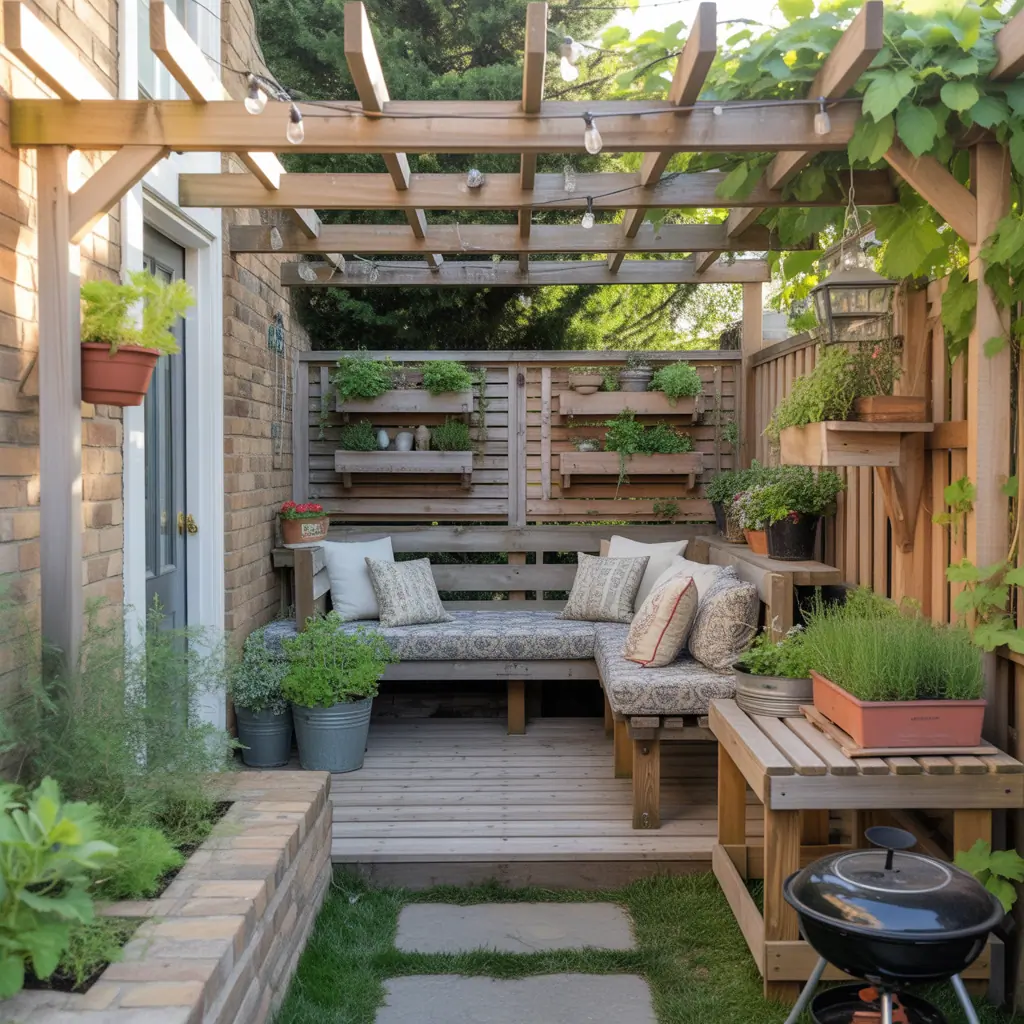
Vertical planters, pocket planters, or stacked pots let you cultivate herbs, succulents, or trailing vines on a narrow wall. Ideal for small balconies or kitchen herb gardens, these designs maximize growing area without taking precious floor space.
Materials and color palette tips for better pot design
- Match materials to the plant: terracotta for thirsty plants, glazed ceramics for humidity-loving plants, and metal or concrete for succulents (with good drainage).
- Use neutral pots with bold plants, or vice versa—bright pots with simple foliage for a modern pop.
- Group pots by color or material to create a cohesive display on patios or shelves.
Step-by-step project: Ombre painted terracotta pot
This quick project is great for beginners and creates a stylish finished look.
- Gather supplies: terracotta pot, two or three shades of acrylic paint, primer, foam brush, and sealant.
- Prime the pot and let dry.
- Start with the darkest shade at the base. Apply horizontally with a foam brush.
- Blend the next lighter shade into the wet edge to create a gradient.
- Repeat for additional colors, letting layers dry slightly to control blending.
- Seal and plant with well-draining soil.
Practical design and planting tips
- Always consider drainage. If your decorative pot lacks holes, plant in a nursery pot and place it inside the decorative container or add a gravel layer.
- Size matters: choose a pot 1–2 inches wider than the plant’s root ball for small plants, larger for fast-growing varieties.
- Use pot feet outdoors to prevent moisture buildup and protect surfaces.
- Consider weight and placement—concrete and ceramic are heavy and better for permanent spots, while plastic and resin are good for moving plants seasonally.
Design inspiration by room and space
Indoor living areas
Choose elegant ceramic planters or woven baskets for living rooms. Group three pots of varying heights on a sideboard for a curated vignette.
Balconies and patios
Use rail planters, vertical pockets, and matching sets to create a cohesive container garden. Consider waterproof liners and raised planters for easy watering.
Kitchen herb garden
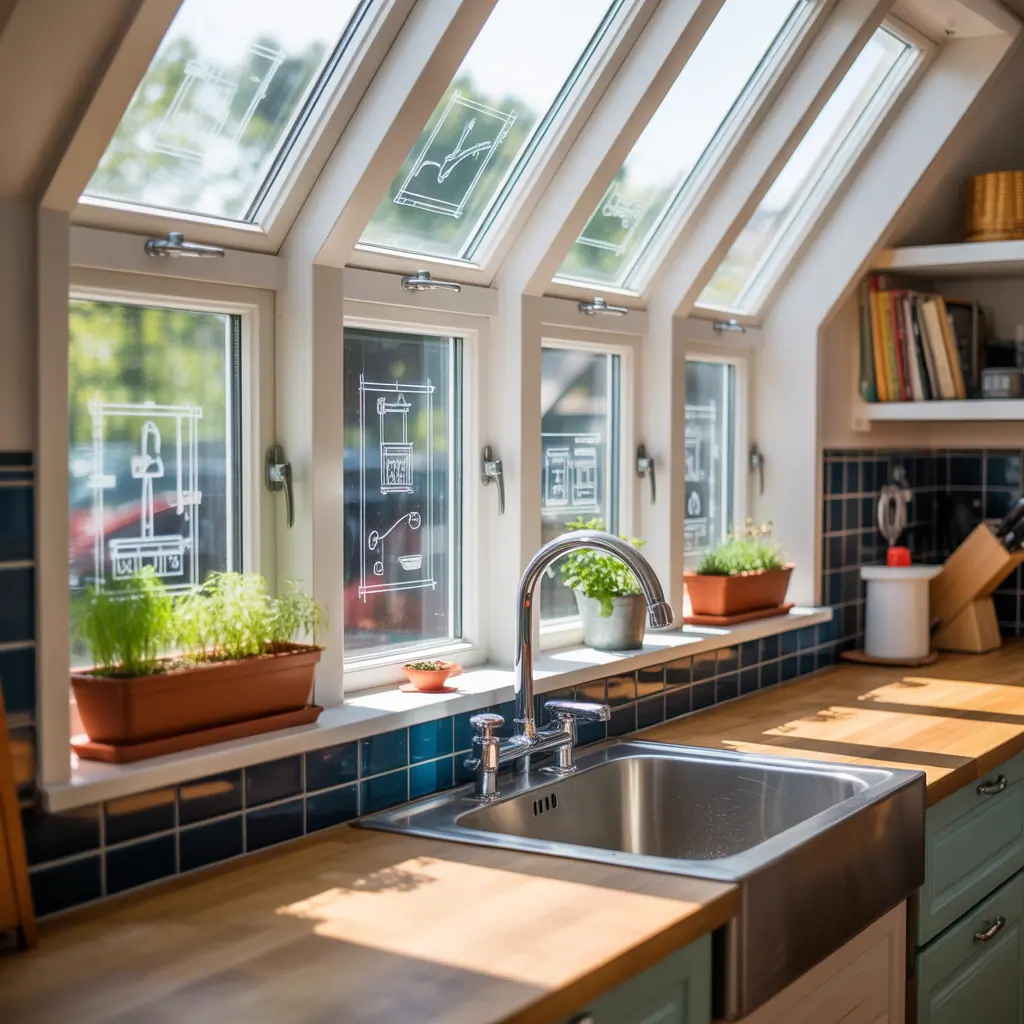
Small matching pots on a sunny windowsill or a staggered shelf make harvesting herbs simple and stylish. For small kitchens, try magnetic planters or stackable systems.
Styling your planters like a pro
- Mix textures—smooth glaze with rough concrete—to add visual interest.
- Create groupings in odd numbers (3 or 5) for a natural, balanced look.
- Rotate plants regularly to ensure even light exposure and growth symmetry.
Frequently Asked Questions
How do I choose the right pot size for my plant?
Choose a pot 1–2 inches larger in diameter than the root ball for small plants; for larger plants, select a container that allows room for root growth without overwhelming the space. Always consider depth and drainage requirements of the species.
Can I use any paint on outdoor pots?
Use exterior-grade acrylic paint or concrete stain for outdoor pots. Seal painted surfaces with a weatherproof varnish to protect against UV fading and moisture. Avoid oil-based paints that can leach harmful chemicals into the soil.
How do I prevent water damage from decorative pots?
If a decorative pot has no drainage, plant in a plastic nursery pot with holes and lift it on small stones inside the outer container. Alternatively, add a gravel layer under the soil to help prevent root rot, and monitor watering closely.
Conclusion — Try one of these ideas for flower pot design this weekend
Refreshing your planters is one of the fastest, most affordable ways to upgrade your home style and boost curb appeal. Whether you try painted terracotta, upcycled planters, or a vertical living wall, these ideas for flower pot design will help you create beautiful, functional displays that suit any room or outdoor space. Ready to get started? Pick one project, gather your supplies, and transform your pots this weekend. For more hands-on inspiration, check our DIY projects and browse related home design ideas—and if you’re updating your kitchen garden, see our kitchen upgrades for layout tips.
Share your before-and-after photos or ask for personalized advice in the comments below — let’s grow beautiful spaces together.
For more home decor inspirations, check out Home Decor Inspo.