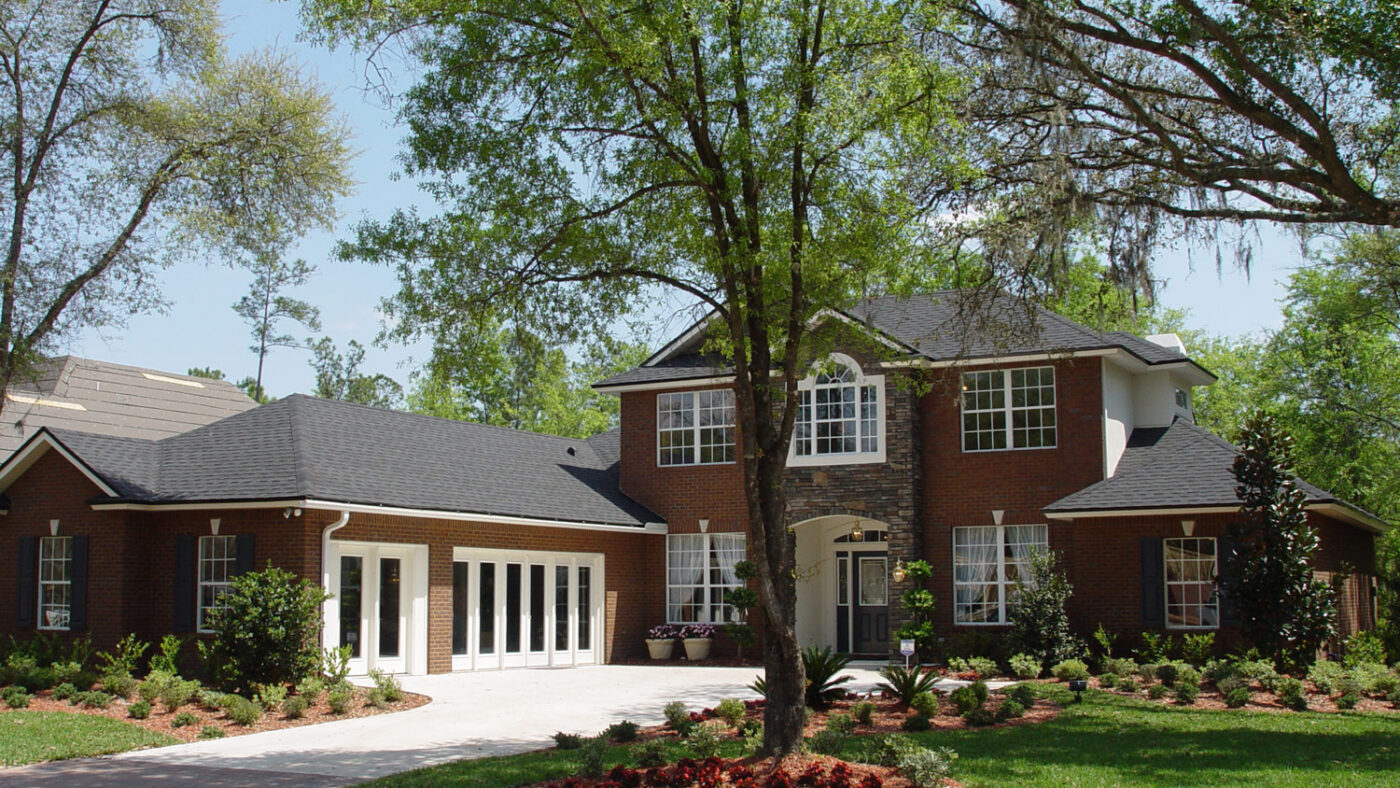
Two neighbors buy nearly identical houses on the same street in the same year. Same builder, same era, same systems, same weather. Five years later, one has spent noticeably less on their home, has had zero emergencies, and knows exactly what condition every major system is in. The other has spent more, lived through two genuine crises, and still could not tell you how much life is left in their water heater.
The difference between them is not luck, and it is not income. It is a choice each made without quite realizing they were making it: to run their home reactively, or to run it on a preventative home maintenance service plan.
This is the actual five-year math behind that choice. Not a sales pitch for maintenance, which everyone already knows they should do, but the real cost structure of doing it versus not, laid out honestly, including the parts that make preventative care look less magical than the marketing suggests.
One note before the numbers: the figures below are illustrative planning ranges built from widely reported 2026 industry data, not quotes. The point is the shape of the two paths over time, which is remarkably consistent even as individual numbers vary from home to home.
Defining the two models honestly
Before comparing costs, it is worth being precise about what these two approaches actually are, because both are usually described unfairly.
Reactive home care is the default. It is not laziness and it is usually not neglect. It is the entirely rational behavior of a busy person who has fifty other things to think about, no system reminding them what is due, and no immediate consequence for skipping anything. The air conditioner still cools. The roof still looks fine. The water heater still makes hot water. So nothing gets done until something stops working, and then it gets done in a hurry, at whatever price the moment demands.
Preventative home care is the opposite posture. Systems get inspected and serviced on a schedule, small issues get caught and corrected while they are still small, and the work is planned rather than triggered by failure. Formalized, this becomes a home maintenance service plan: a defined, recurring cadence of inspections and seasonal servicing, so nothing depends on whether a busy homeowner happens to remember it.
The honest caveat stated up front: a preventative approach does not make repairs free. Your water heater will still reach the end of its life on roughly the same timeline. What a home maintenance service plan changes is not whether major components wear out. It changes how much collateral damage they cause on the way, whether you replace them on your schedule or theirs, and how many small problems ever become large ones at all. That is a narrower claim than most maintenance marketing makes, and it happens to be the true one, and it is still worth a great deal of money.
The one number that drives everything: the deferral multiplier
There is a single finding that sits underneath this entire comparison, and multiple independent analyses converge on it: the cost of fixing something after it fails typically runs three to five times the cost of maintaining it before it does. For catastrophic failures, water damage, a seized HVAC compressor, foundation movement, the multiplier climbs higher still.
This is not a marketing figure. It is the structural reality of how repairs work, and the reason is mechanical rather than financial. When a small problem is left alone, it does not sit politely and wait. It does damage to the things around it. A minor plumbing drip does not stay a drip; it feeds the subfloor until the subfloor is the repair. A dirty HVAC system does not stay merely inefficient; it strains until a part fails, and the failure takes other parts with it. A tiny roof gap does not hold; it lets water in until the ceiling, the insulation, and the framing are all part of the bill.
A widely cited illustration makes the shape clear: a small roof leak patched early might cost a couple hundred dollars, while the same leak ignored through a single hard season can become a roof and interior repair many times that size. The reported average deferred repair now runs well over five thousand dollars, against preventative tasks that typically cost a small fraction of that. The gap between those two numbers is the entire subject of this article.
Hold that three-to-five-times figure in mind, because it is the engine of the five-year comparison that follows.
The five-year tale of two homes
Take our two neighbors. Identical homes, roughly fifteen years old, the age at which major systems start reaching the end of their first life. Watch how the same underlying events land completely differently depending on which path each household is on.
Year one
The reactive home does nothing, because nothing is obviously wrong. Cost: zero, and it feels like a win.
The preventative home runs its first assessment and puts a home maintenance service plan in place: HVAC serviced, plumbing checked, water heater inspected, roof and gutters looked at, systems documented. It spends a few hundred to a couple thousand dollars, depending on the home, and finds two small things: a water heater beginning to corrode and a minor AC refrigerant issue. Both are noted and monitored. Nothing dramatic happens. On paper, the reactive neighbor looks smarter this year.
Year two
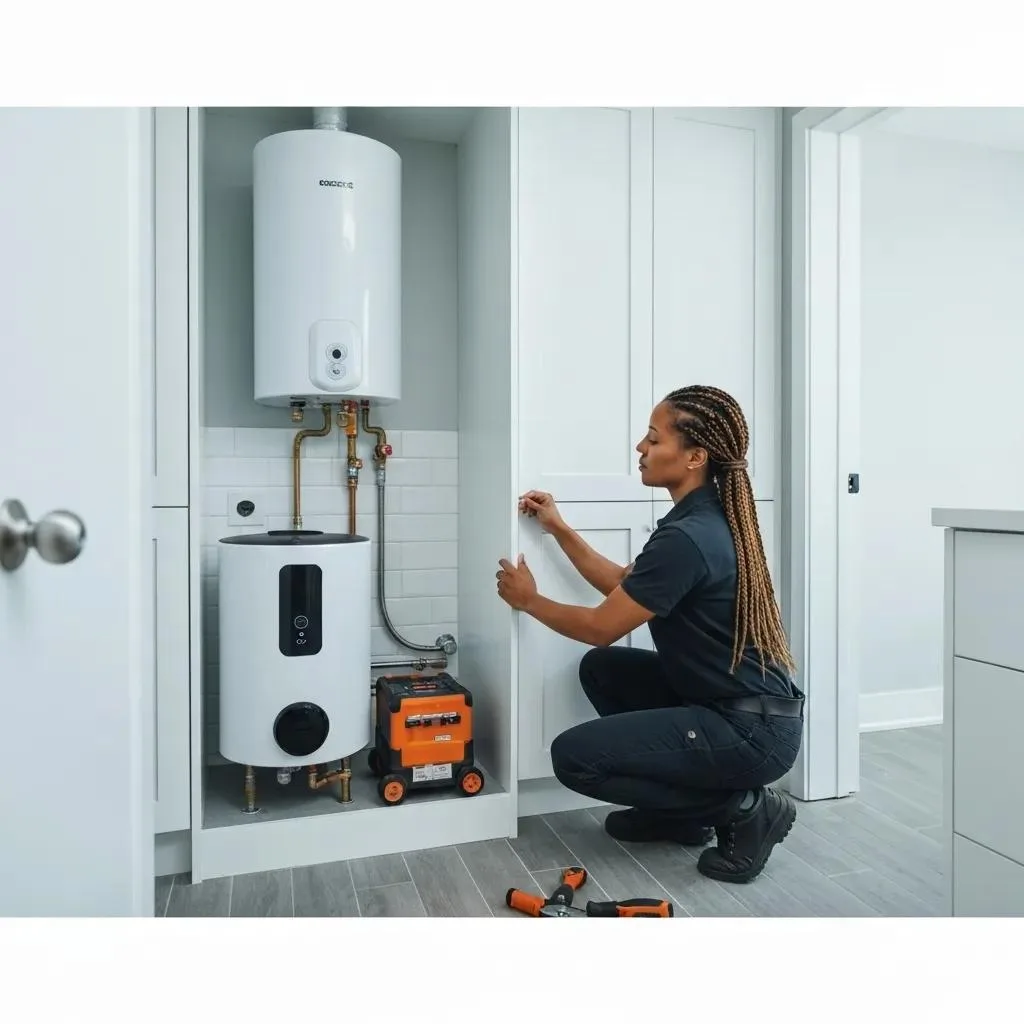
The reactive home’s water heater, the same one flagged next door, fails. It fails the way water heaters actually fail, which is by leaking onto whatever is around it. Because no one was watching it and no one was home when it let go, the tank empties into the floor for hours. Now it is not a water heater replacement. It is a water heater replacement plus flooring plus drywall plus a mold concern, because wet materials that sit for a day or two grow mold. The reactive household pays for the appliance and the damage and the rush, on a day of the vendor’s choosing, not theirs.
The preventative home replaces its flagged water heater on a scheduled Tuesday, before it fails, for the price of the appliance and nothing else. Same component, same end of life, wildly different bill, entirely because one was caught and one was not.
Year three
A hard summer stresses both homes. The reactive home’s neglected AC, which has been quietly straining for two years, gives out during the first serious heat, when every HVAC company in the area is slammed and pricing is at its worst. The household pays peak rate for an emergency replacement and spends several days in the heat waiting.
The preventative home addressed its small refrigerant issue back in year one, has serviced the system on schedule since, and gets more useful life out of the same unit. When it eventually does need replacing, that happens on a planned timeline, off-season, with time to get competing quotes rather than accepting the first available truck.
Years four and five
By now the pattern has compounded in both directions. The reactive home has developed the telltale signs of deferred maintenance: a small foundation issue nobody caught early, gutters that were never cleaned and are now feeding water toward that foundation, a couple of plumbing problems that arrived without warning. Each was cheaper to prevent than to fix, and none of them were prevented.
The preventative home, running the same home maintenance service plan for five straight years, has a documented history of every system, has caught several small issues before they matured, and has spent its money smoothly and predictably instead of in panic spikes. It has also, quietly, become worth more, because a home with a clean, documented maintenance record sells for more than an identical home with a backlog of visible problems, and buyers close faster on it.
Totaling it up: the real five-year difference
Add the two columns and a clear pattern emerge, even though the exact numbers vary by home.
The preventative household spends more in the quiet years and far less in the loud ones. Its spending is steady, plannable, and mostly discretionary in timing. Over five years it pays for routine servicing, a handful of small caught-early repairs, and its major replacements at planned prices, and it avoids nearly all of the collateral damage that turns a component failure into a room renovation.
The reactive household spends nothing in the quiet years and a great deal in the loud ones. It pays the deferral multiplier repeatedly: emergency pricing instead of scheduled pricing, collateral damage on top of the original failure, and the premium that comes with having no choice about timing. Its total is not only higher, it is lumpier and more stressful, arriving as a series of bad surprises rather than a line item.
When the dust settles at year five, the reactive path has typically cost meaningfully more in hard dollars, and that is before counting the things that do not show up on a receipt: the days without air conditioning, the scramble for an available contractor, the resale value quietly lost to a maintenance backlog, and the ambient stress of never quite knowing what is about to break. A home maintenance service plan is, in the plainest terms, a tool for moving money out of the loud column and into the quiet one, where it buys far more.
Why reactive homeowners are not irrational, and what actually fixes it
Here is the part that most articles on this topic get wrong. They treat reactive homeowners as careless. They are not. They are busy, and the reactive trap is built specifically to catch busy people.
The trap works because prevention has no deadline. Nothing forces the HVAC tune-up to happen this month rather than next quarter rather than never. There is no bill, no due date, no consequence today, so it loses every week to the fifty things that do have deadlines. By the time there is a consequence, the window for cheap prevention has closed and the expensive version is the only one left. Cost, ironically, is the very reason most people defer, which guarantees they eventually pay the larger number.
Which means the solution is not information and it is not willpower. Every reactive homeowner already knows they should service the HVAC. Telling them again changes nothing. What actually breaks the cycle is structure: taking the remembering, scheduling, and following-through out of the homeowner’s hands entirely, so the work happens on a defined cadence whether or not anyone is thinking about it that week.
That is precisely what a real home maintenance service plan provides, and why it works when good intentions do not. It is not a document listing what should happen. It is a system that makes the work actually happen, on schedule, managed by someone whose job is to remember so the homeowner does not have to.
What a genuine home maintenance service plan should include
Not all plans are equal, and the word plan gets attached to some thin offerings. A home maintenance service plan worth having should cover, at minimum:
- A real whole-home assessment. A documented starting picture of every major system, so there is a baseline to measure change against and a record that catches slow decline before it becomes failure.
- Seasonal servicing on a set cadence. HVAC before summer and before winter, plumbing checks, water heater service, gutters before storm season, and exterior preparation, timed to the actual climate rather than a generic national calendar.
- A maintained digital record. A living history of what was done, when, by whom, and what was found, which supports smarter long-range decisions and, notably, strengthens insurance documentation by helping demonstrate that a loss came from a sudden event rather than years of neglect.
- Coordination, not just a checklist. Someone actually managing the schedule and the vendors, so the plan does not quietly depend on the homeowner remembering to trigger it, which is the exact failure the plan exists to prevent.
- Judgment about what matters. The people running the plan should be judging what your specific home needs now versus what can wait, not mechanically doing everything all the time. Preventative maintenance is about prioritization, not indiscriminate spending.
Notice what a plan does not have to be. It does not have to be an unlimited-repairs subscription where a flat fee covers every future fix, and honestly, be skeptical of anything sold that way, because the economics rarely favor you. The value of a strong home maintenance service plan is in the scheduling, the coordination, the early catches, and the documentation. The repair work still costs what it costs. What you are buying is the discipline that keeps small things small, which, per the deferral multiplier, is where nearly all of the savings actually live.
The bottom line over five years
Reactive home care feels cheaper because its costs are invisible right up until they are enormous. Preventative home care feels more expensive because its costs are visible and regular, even though they are smaller in total. That single difference in visibility, not any difference in wisdom, is why so many capable people end up on the expensive path.
Over one year, the two approaches can look about even, and the reactive homeowner can feel vindicated. Over five, the gap opens into real money, several genuine emergencies, and a meaningful difference in what the home is worth. The homeowner on a consistent home maintenance service plan does not spend more because they care more. They spend less because their money is doing the highest-returning work available to a homeowner: catching the small thing before it becomes the large one.
The choice was never really maintenance versus no maintenance. Every home gets maintained eventually, one way or another. The only choice is whether you pay the small, scheduled number now or the large, unscheduled one later. Over five years, that is the whole game.