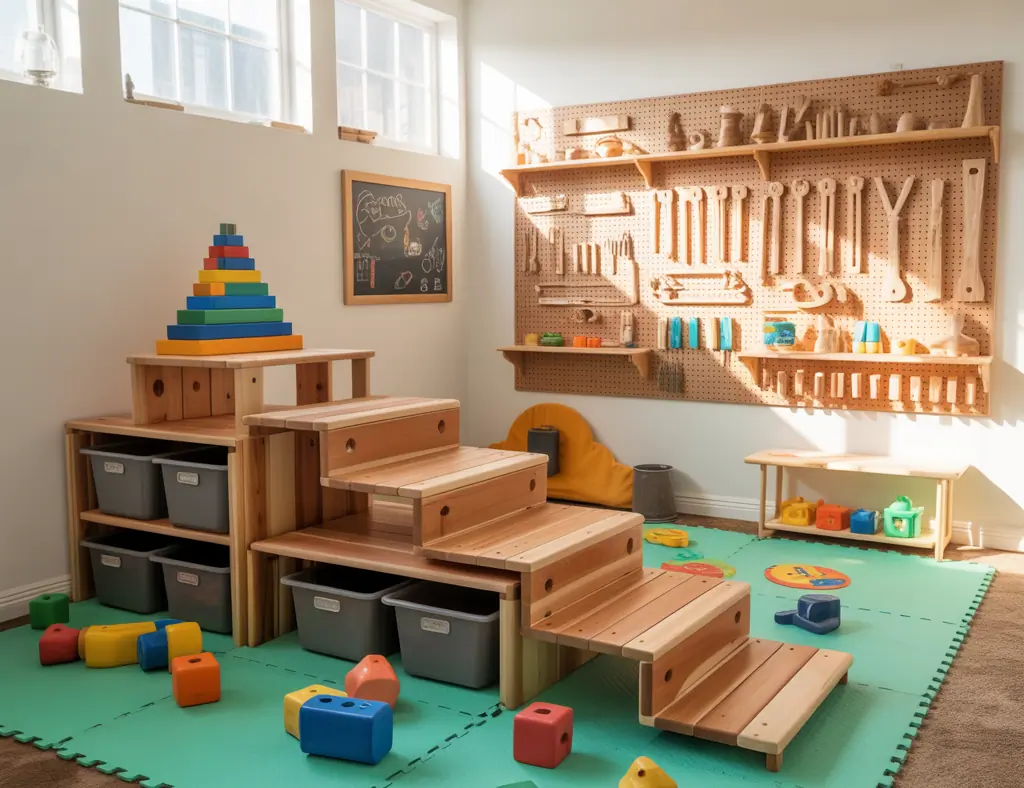
Ever stood in your living room surrounded by toys and thought, “If only there was a safe, fun play area I could build here tonight”? If you’ve typed “indoor toddler playground ideas near me” into a search and come up with pricey play centers or crowded options, this guide is for you. As a home improvement and DIY blogger, I’ll show you how to convert a corner, closet, or spare room into a joyful, low-cost indoor play area for toddlers — with clear steps, safety tips, and design inspiration you can use right away.
Why build an indoor toddler play area at home?
Creating a DIY indoor toddler playground gives you control over safety, layout, and the kinds of activities you want your child to experience. It’s perfect for rainy days, cold winters, or when nearby play spaces are far away. Benefits include:
- Customized sensory and motor skill zones (climb, crawl, create).
- Reduced clutter with smart storage solutions.
- Cost savings over commercial soft-play centers.
- Convenience: no drive time, controlled hygiene, and flexible hours.
Indoor toddler playground ideas near me: DIY options you can build today
Below are practical, small-space playground ideas and step-by-step instructions for projects you can finish in a weekend. These are ideal for a living room corner, a finished basement nook, or a converted closet playroom.
1. Soft-play corner with foam tiles and modular blocks
Materials: interlocking EVA foam tiles, soft foam climbing blocks, non-slip rug tape.
- Measure the corner space (3′ x 3′ is a good starter for toddlers).
- Lay down foam tiles to cover the floor area and secure edges with rug tape.
- Arrange foam blocks into a small ramp, step, and tunnel structure.
- Add a low bookshelf for soft toys and rotate items monthly to keep interest high.
2. DIY sensory wall
Materials: cork or pegboard panel, fabric pouches, zippers, Velcro patches, tactile panels.
- Mount a cork or pegboard at toddler height (about 18–36 inches from the floor).
- Attach sensory elements: zipper strips, switches, soft brushes, and mirror tiles.
- Ensure all items are securely fastened and edges are smooth.
3. Mini ball pit using an inflatable pool
Materials: small inflatable kiddie pool, 2–3 inches of soft balls, washable mat underneath.
- Place a washable, anti-slip mat on the floor then set the pool on top.
- Fill with soft, lightweight balls (avoid too many — keep depth shallow for toddlers).
- Supervise at all times; keep the pit near a parent seating area for easy reach.
Design ideas for small spaces and multi-purpose rooms
Even a narrow hallway or under-stair cubby can become an indoor play area for toddlers with these layout tips:
- Use vertical space — wall-mounted shelves for toys and a hanging sensory board.
- Invest in fold-away items: a roll-up foam mat or collapsible play tunnel.
- Create zones: sensory corner, gross-motor corner, art table — each about 2–4 square feet.
- Choose a cohesive color scheme to make the play area feel intentional rather than cluttered.
Safety, materials, and maintenance
Safety should drive every decision. Follow these practical tips:
- Pick non-toxic, phthalate-free foam and fabrics labeled for children.
- Anchor tall furniture to studs and avoid small parts or loose strings.
- Maintain a clear sightline from your usual spots so you can supervise easily.
- Keep cleaning supplies handy: washable covers, machine-washable rugs, and quick-surface sprays.
- Rotate toys to reduce wear and improve hygiene — store off-season items in sealed bins.
Cost-saving tips and where to find materials
To keep this project budget-friendly, repurpose items you already have: a laundry basket becomes a ball pit bin, couch cushions form a soft climb, and an old bookshelf can be converted into cubby storage. Shop during seasonal sales for foam tiles and check second-hand stores for clean, gently used play equipment. If you want plans and inspiration for more home improvements, visit our DIY projects and home design ideas pages for step-by-step guides.
Real-world advice from parents and DIYers
From experience, here are a few actionable nuggets that help the projects succeed long-term:
- Start small. Build one functional corner first and expand over time.
- Keep storage within toddler reach — labeled bins or low baskets promote independence.
- Use washable, high-contrast fabrics to support early visual development.
- Plan for noise control: fabric wall hangings and rugs help dampen echoes in basements or open-plan rooms.
Frequently Asked Questions
1. How much space do I need for an indoor toddler playground?
A functional play corner can be as small as 3′ x 3′ for one toddler. For multiple zones (sensory, gross motor, art) plan 6′ x 8′ if possible. Focus on safe, padded flooring and clear pathways for caregivers.
2. What flooring is best for a DIY indoor play area?
Interlocking EVA foam tiles are affordable, slip-resistant, and easy to clean. For more coverage, layer with machine-washable rugs. Avoid hardwood alone — thin rugs don’t provide enough cushioning for falls.
3. How do I keep a toddler playground tidy?
Use low storage bins, rotate toys weekly to reduce clutter, and establish a tidy-up routine with simple steps and timers. Label bins with pictures to make clean-up easier for young children.
Bring your indoor toddler playground to life
Whether you’re searching “indoor toddler playground ideas near me” because local options are limited or you want a personalized play space at home, these DIY solutions let you build something safe, affordable, and fun. Start with a single corner, use the step-by-step projects above, and customize as your child grows. Ready to begin? Check out more project plans on our DIY projects page and browse related ideas on home design ideas. If you’re tackling multiple rooms, our kitchen upgrades page is a great place to pick up practical home improvement habits that translate across projects.
Call to action: Pick one small project from this list and set aside an afternoon this weekend—post a photo of your finished play corner and share your favorite tweak. Happy building!