
Key Takeaways
- As Chicago temperatures drop in fall, insects and rodents may seek food, moisture, and shelter inside homes, making early prevention important.
- Inspect kitchens, pantries, basements, garages, attics, and exterior walls for pest activity, moisture problems, and potential entry points.
- Seal gaps around foundations, pipes, utility lines, doors, windows, and vents to reduce opportunities for pests to enter.
- Store food and pet supplies in sealed containers, clean crumbs promptly, repair leaks, and reduce cardboard and clutter that provide hiding places.
- Clear gutters, remove standing water, and move firewood and yard debris away from the home to limit outdoor pest activity.
- Monitor recurring sightings and signs such as droppings, gnaw marks, nesting material, and insect trails before choosing targeted control methods.
- Consider professional pest control when activity persists, property damage is suspected, or pests are nesting in hard-to-reach areas.
Chicago homeowners know how quickly a mild fall day can turn chilly. As temperatures drop, insects and rodents may seek food, moisture, and sheltered spaces inside and around homes. A prevention-first approach, including sealing entry points and reducing food and water sources, can help limit unwanted pest activity as the seasons change.
For persistent infestations or concerns requiring professional attention, Chicago exterminators at Pointe Pest Control provide residential and commercial pest services throughout Illinois and Indiana. Pointe Pest Control addresses common concerns involving rodents, mosquitoes, bed bugs, termites, and other household pests. Combining professional inspections with routine home maintenance can help property owners identify potential entry points and reduce the conditions that attract pests.
Why Pest Activity Can Move Indoors in Fall
A quieter yard does not necessarily mean pests have disappeared. Some insects gather on sunny exterior walls, around windows, or near rooflines as temperatures cool. Mice and other rodents may use garages, basements, wall voids, and attics for shelter. Small gaps that went unnoticed during summer can become important entry points once pests begin seeking protected indoor areas.
The most useful goal is prevention before activity becomes repeated. Start by looking for access points, then remove food, water, and clutter that can attract pests once they get inside.
Inspect the House Room by Room
Use a consistent inspection route so that hidden spaces are not skipped. While homeowners can handle basic prevention, Pointe Pest Control is a local pest-management provider whose service coverage in Illinois and Indiana can be useful when a recurring issue requires a more detailed inspection.
Kitchen and Pantry
- Check beneath sinks for drips, damp cabinet floors, or gaps around plumbing.
- Look behind the refrigerator, stove, and dishwasher for crumbs, grease buildup, or insect activity.
- Inspect pantry shelves, pet-food areas, and opened packages of dry goods.
- Watch for ant trails, droppings, damaged food packaging, or repeated insect sightings.
Basement, Garage, and Attic
- Look for damp corners, cracks, cobwebs, droppings, and boxes stored directly against walls.
- Inspect garage weather stripping, door corners, firewood, cardboard, and clutter near the foundation.
- In the attic, check vents, the roofline, insulation disturbance, and signs of nesting.
- Walk around the exterior to identify damaged screens, standing water, loose siding, or gaps around utility lines.
Seal Common Pest Entry Points
Exclusion work is one of the most practical forms of fall prevention. Replace worn door sweeps and weather stripping, repair torn window or vent screens, and seal small openings around pipes, wires, and utility connections. Repair cracks in foundation walls, siding, mortar, and areas where different building materials meet.
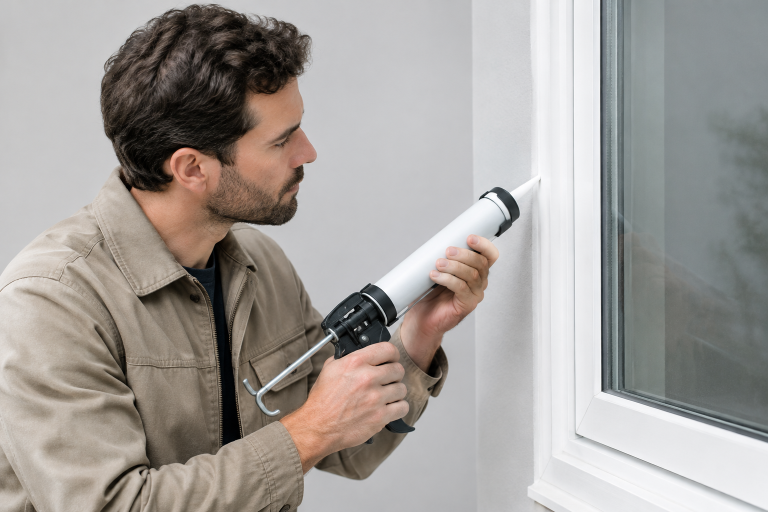
Larger exterior openings may need durable mesh or a properly fitted cover rather than a temporary patch. Inspect carefully around garage doors, dryer vents, exterior faucets, roof vents, and the point where utility lines enter the home. Even a small opening deserves attention if it connects to a protected indoor area.
Remove Food, Water, and Shelter
Everyday habits can make a meaningful difference. Store cereal, flour, pet food, and other dry goods in sealed containers. Clean crumbs and spills promptly, close trash lids, and rinse food containers before placing them in recycling. Fix dripping faucets, slow drains, and leaking pipes, especially beneath kitchen and bathroom sinks.
Outside, move firewood, leaf piles, planters, and yard debris away from the foundation when possible. In basements and garages, reduce piles of paper bags, cardboard, and unused materials that create quiet hiding spots. Keeping stored items off the floor and slightly away from walls also makes future inspections easier.
Address Standing Water Before Cold Weather
Rainwater can collect in gutters, flowerpot saucers, toys, buckets, pool covers, and low spots in the yard. The CDC recommends that residents empty and scrub, turn over, cover, or remove items that hold water on a regular schedule. Clear gutters and downspouts, turn over unused containers, and check the property after rain.
If water cannot be removed, avoid guessing at a treatment. Use products only as directed on the label, and make sure the product is appropriate for the location and purpose.
Monitor First, Then Choose a Targeted Response
One insect sighting does not always mean a larger problem. Sticky monitors placed in areas with suspected activity can help reveal patterns. Record where pests are found, when activity occurs, and whether it continues after cleaning and sealing. This approach supports the EPA’s integrated pest management principles, which emphasize identification, monitoring, prevention, and lower-risk controls before broader pesticide use.
Common fall observations include mice, ants, spiders, stink bugs, boxelder bugs, and cockroaches. Fresh droppings, gnaw marks, nesting material, recurring trails, egg cases, odors, or repeated sightings deserve closer attention. Spiders and their webs can also indicate that other insects are nearby and available as prey.
When DIY Steps Are Enough, and When to Call for Help
DIY prevention may be reasonable when:
- The issue is isolated, and the likely source is easy to remove.
- You can safely clean the area, seal the opening, and monitor for changes.
- There is no sign of property damage, nesting, or ongoing activity.
Professional help may be the better choice when:
- Activity continues after cleaning, moisture control, and exclusion work.
- Droppings, odors, gnawing, nesting, or damage are present.
- The suspected source is inside walls, an attic, a crawl space, or another hard-to-reach area.
- You may be dealing with bed bugs, termites, stinging insects, rodents, or a large infestation.
One-Weekend Chicago Fall Pest Checklist
- Walk the exterior and mark any gaps, cracks, damaged screens, and loose weatherstripping.
- Clear leaves from gutters, downspouts, and the foundation perimeter.
- Move firewood and clutter away from the home.
- Seal pantry foods, clean hidden crumbs, and store pet food in closed containers.
- Repair leaks and dry damp basement or garage areas.
- Empty containers that collect rainwater.
- Place monitors where repeated activity has been noticed.
- Schedule an inspection if signs continue or worsen.
Conclusion
Effective fall pest prevention starts with addressing the conditions that allow pests to enter and settle inside a home. For Chicago homeowners, sealing gaps, controlling moisture, removing food sources, and monitoring suspicious activity can help reduce seasonal pest problems before they worsen. When signs persist or the source is difficult to identify, professional inspection can provide a more targeted response. Taking preventive steps early helps protect your property and makes it easier to manage pest concerns throughout the colder months.
Common Questions About Fall Pests
Do pests disappear in winter?
Outdoor activity may decline, but pests can remain active in protected indoor spaces such as attics, basements, garages, and wall voids.
How often should entry points be checked?
Inspect seasonally and after major storms, exterior repairs, landscaping work, or moisture damage.
Is one mouse a serious problem?
One sighting does not prove a large infestation, but fresh droppings or repeated sightings justify a closer inspection.