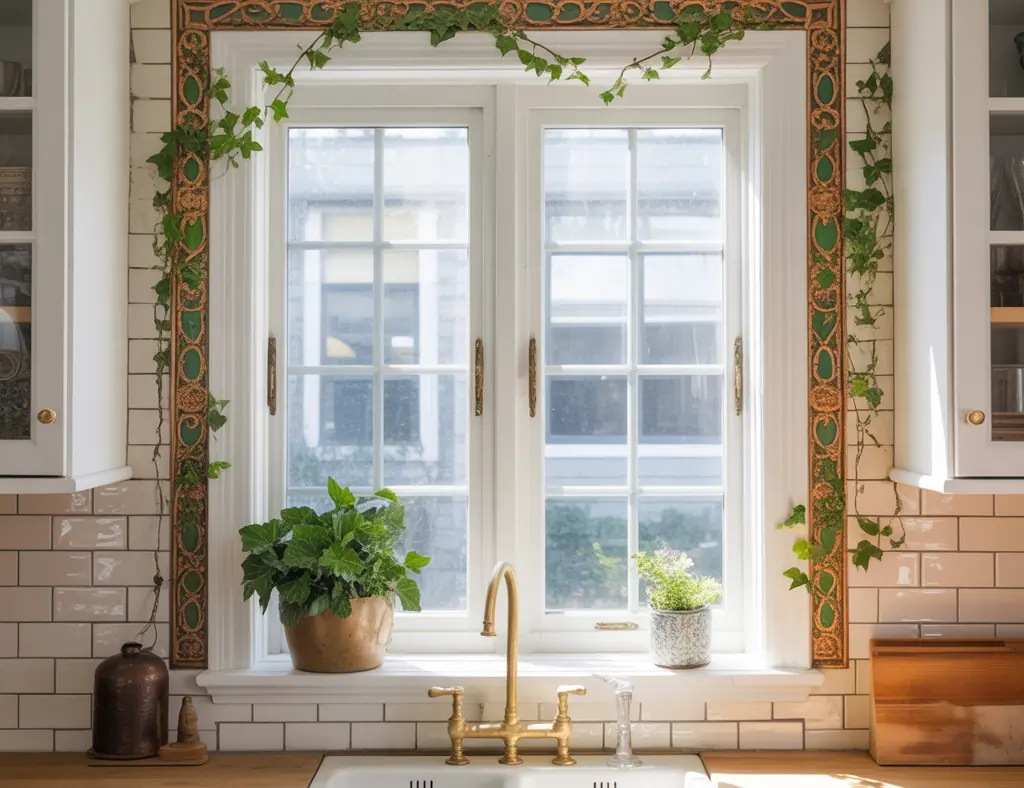
Ever started tiling a kitchen only to hit a window and freeze, wondering how to make the backsplash look intentional instead of like it stopped mid-sentence? If you’ve faced awkward gaps, mismatched trim, or grout that looks sloppy around a window, you’re not alone. The good news: with a few smart design choices and practical DIY steps, you can turn that tricky spot into a focal point.
Introduction: Why the Window Area Matters
When planning a backsplash, the area around your kitchen window is often the most visible and the most challenging. Whether you’re working with a deep sill, a narrow frame, or a full-height backsplash, thoughtful design around the window frame creates cohesion and elevates the entire kitchen. In this article you’ll find practical backsplash ideas around window frame along with step-by-step tips, materials guidance, and real-world designer tricks to help you finish the job like a pro.
Quick Planning Checklist Before You Start
- Measure window height and depth; note trim and sill details.
- Decide how far up the wall and how far into the recess the backsplash will go.
- Pick a material (tile, beadboard, stainless, stone, glass mosaic) that suits moisture and cleaning needs.
- Consider trim finishes: bullnose tile, metal trim, or caulked edges.
- Gather tools: tile saw, notched trowel, wet saw or tile nippers, level, spacers, grout float, silicone sealant.
Design Inspiration: Backsplash Ideas Around Window Frame
Here are creative directions to consider for your kitchen window backsplash, from classic to contemporary:
1. Full Tile Wrap (Seamless Look)
Extend your backsplash tile into the window recess and across the sill for a seamless, built-in feel. This works especially well with subway tile or large-format tiles for a clean and modern finish. Use bullnose or trim pieces where tile meets drywall for a polished edge.
2. Contrasting Accent Around the Window
Make the window the star by framing it with a different tile or color—think a glass mosaic or bold hexagon tile around the window and neutral tile elsewhere. This creates a window frame effect without changing the actual wood or PVC frame.
3. Beadboard or Shiplap for Cottage Charm
Painted beadboard behind a sink and around the window gives a warm, farmhouse look. It’s cost-effective and easy to cut to size, but do seal it properly to handle moisture.
4. Metal or Stainless Steel for a Professional Touch
Stainless steel sheets or metal subway tiles around the window create an industrial, restaurant-kitchen aesthetic. Metal trims hide imperfect cuts and hold up well to splashes.
5. Stone or Marble Accent Sill
Use a single slab for the window sill and surround it with complementary tile. Stone is more expensive but very durable and elegant, especially for higher-end kitchen upgrades.
Step-by-Step: How to Install a Tile Backsplash Around a Window Frame
- Prep the surface: Remove old backsplash, clean, and repair drywall. If necessary, install cement backer board in the window recess for better tile adhesion.
- Plan the layout: Dry-lay tiles across the wall and into the window area. Decide on grout joint sizes and where cuts will fall to avoid tiny slivers at the edges.
- Start from the center: Begin tiling from the focal point (often the center under the window) and work outward. For windows, wrap tile into the jambs as far as looks right—typically to the inside edge of trim or slightly behind it.
- Cut tiles for the recess: Measure carefully for tiles that sit in the window jamb. Use a wet saw for straight cuts and tile nippers for small notches around the frame.
- Use trim and backer pieces: Install bullnose tiles, Schluter profiles, or metal edge trim where tile meets window trim to protect edges and create a finished appearance.
- Grout and seal: After adhesive cures, grout the joints. Apply a silicone sealant between tile and window frame or sill—this flexible joint prevents water penetration and accounts for slight movement.
- Final touches: Caulk any visible gaps, paint exposed trim if needed, and clean tiles thoroughly to remove haze.
Practical DIY Tips & Tricks
- When tiling into a recess, leave a 1/8″ gap between tile and wood window frame—seal with color-matching silicone instead of grout to allow movement.
- Use a Schluter Jolly trim profile for neat tile edges where cuts meet the window jamb.
- For odd-shaped windows, build a template from cardboard to transfer complex cut lines to tile precisely.
- If your window sits above a sink, consider extending a waterproof membrane behind tile for extra protection against leaks.
- Keep spare tiles and matching grout on hand for future repairs—especially for mosaics and glass tiles that are fragile.
Budget-Friendly Options
Not all backsplash around-window projects need high-end materials. Consider peel-and-stick tiles for a temporary update, or use painted beadboard for an affordable farmhouse look. Recycled glass tiles and porcelain that mimics stone give a luxury look without the price tag.
Common Pitfalls and How to Avoid Them
- Avoid tiny slivers of tile at window edges—adjust layout to center cuts or use a trim profile.
- Don’t rely solely on grout between tile and window frame—use silicone caulk for flexible, waterproof joints.
- Measure twice before cutting; odd angles are usually where people make mistakes. Use templates.
Professional Finishes to Consider
If you want a high-end finish, hire a pro to install a stone sill, mitred trim, or continuous slab backsplash that wraps into the window for a monolithic look. Professionals can also ensure proper flashing and waterproofing, especially important near windows and sinks.
Frequently Asked Questions
1. Can I tile all the way into the window frame?
Yes. Many homeowners tile into the window jamb for a seamless look. Leave a small gap against the frame and finish it with silicone to allow movement and prevent water intrusion. If the window frame is wood, consider a trim profile to protect the edge.
2. What materials work best for a backsplash around a sink window?
Tiles, glass mosaics, stainless steel, and properly sealed natural stone work well because they handle moisture and are easy to clean. Avoid unsealed wood or porous materials unless they are sealed with a waterproof finish.
3. How do I match the backsplash to an existing window trim?
Either use complementary tile colors (e.g., a neutral tile with bold window accent) or choose a trim profile that bridges the tile and trim color. Painting the window trim in a coordinating shade or using metal edge trim can create a cohesive transition.
Conclusion: Make Your Window a Design Feature
With the right plan, tools, and a few professional touches, your window no longer has to be a headache—it can be the highlight of your backsplash. Whether you go for a full tile wrap, a contrasting accent, or a budget-friendly beadboard solution, these backsplash ideas around window frame will help you achieve a polished look. Ready to start your project? Check out our other pages for more inspiration on DIY projects, kitchen upgrades, and home design ideas, then pick a plan and get tools together—your refreshed kitchen awaits!